TRC Cases | Khampepe Commission of Inquiry: 18 May 2026
Analysis of trc cases | khampepe commission of inquiry: 18 may 2026, based on "TRC Cases | Khampepe Commission of Inquiry: 18 May 2026" | Sabcdigitalnews.
OPEN SOURCEAdv Jacobus Petrus Pretorius confirmed receipt of a rule 3.3 notice from the commission, addressing potential allegations against him in his statement. He has extensive experience in the National Prosecuting Authority, having served in various roles since 1976, including as the Special Director of Public Prosecution from 2015 to 2019. Advocate Jacobus Petrus Pretorius denies any wrongdoing in the investigation of Ahmed Timol's murder, asserting he was not involved until January 2016. He claims that prior responsibility lies with the National Prosecuting Authority and the Directorate of Special Operations.
Advocate Jacobus Petrus Pretorius asserts his involvement in the investigation of the Ahmadiyya matter began in January 2016, countering earlier negligence allegations. He emphasizes his collaborative efforts with attorneys and his extensive experience in complex prosecutions from 2003 to 2017. Advocate Jacobus Petrus Pretorius detailed his extensive involvement in high-profile prosecutions, including the Marikana incident and various arms dealing cases. He emphasized his commitment to the Timol investigation, countering claims of negligence and asserting his active leadership in reopening the inquiry.
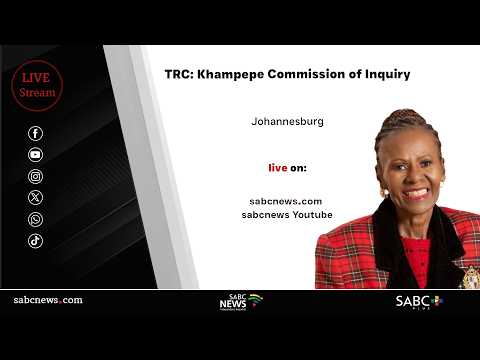
- Adv Jacobus Petrus Pretorius acknowledged receiving a rule 3.3 notice from the commission, indicating he has addressed potential allegations against him in his statement
- With a career in the National Prosecuting Authority (NPA) beginning in 1976, Pretorius has held various positions, including membership in the Priority Crime Litigation Unit since 2003
- He served as the Special Director of Public Prosecution from 2015 to 2019, underscoring his extensive experience in handling significant legal cases
- In his statement, Pretorius cites affidavits from colleagues to support claims of political interference, as he does not have direct knowledge of such events, highlighting the collaborative environment within the NPA
- The inquiry aims to systematically address the specific allegations mentioned in the rule 3.3 notice, focusing on each claim made against him
details
- Advocate Jacobus Petrus Pretorius denies any wrongdoing regarding the investigation into Ahmed Timols murder, stating he was not involved until January 2016, after his appointment as acting special director of the Priority Crime Litigation Unit
- He asserts that the responsibility for the investigation prior to his involvement lay with the National Prosecuting Authority (NPA) and the Directorate of Special Operations (DSO), suggesting they should be held accountable for their inaction
- Pretorius describes his active role in advancing the investigation once he took charge, including guiding investigators and consulting witnesses, which he believes reflects his dedication to the case
- He prepared a detailed memorandum for the National Director of Public Prosecutions, advocating for the reopening of the inquest into Timols death, despite facing initial opposition from colleagues
- The discussion underscores the complexities of accountability within the NPA and the difficulties encountered in prosecuting historical cases, especially those involving political interference
details
- Adv Jacobus Petrus Pretorius asserts his active involvement in the investigation of the Ahmadiyya matter began in January 2016, countering negligence allegations from before his tenure
- He emphasizes collaboration with attorneys from Weber and Vinselon, which facilitated a coordinated approach to witness consultations and preparatory work for the inquiry
- Pretorius outlines his extensive experience in complex prosecutions and investigations from 2003 to 2017, including notable cases such as the Dr. Voter Basone matter and the Yifra Commission
- He denies shifting investigative responsibilities, highlighting his collaborative efforts with the National Prosecuting Authority (NPA) and other stakeholders
- The discussion reflects Pretoriuss commitment to advancing investigations and his proactive engagement with witnesses and legal experts to gather evidence for reopened inquiries
details
details
- Advocate Jacobus Petrus Pretorius highlighted his significant involvement in high-profile prosecutions, including cases of hijacking, arms dealing, and the Marikana incident, showcasing the complexity of his work
- He reaffirmed his dedication to the Timol investigation, asserting that his workload did not detract from his commitment to this and other investigations under his purview
- Pretorius countered claims of negligence, emphasizing his active leadership and personal engagement, which contributed to the successful reopening of the Timol inquiry
- He mentioned receiving positive feedback from Mr. Murray Hawthorne regarding the NPAs efforts in the Timol inquiry, indicating a collaborative shift towards the Neil Agget case
- Advocate Jacobus Petrus Pretorius stated that he received no complaints about the handling of the Ahmed Timol inquest, underscoring the thoroughness of their approach
- Mr. Imdios Kargis expressed appreciation in an email to the NDPP for the support in reopening the Timol inquest, emphasizing its emotional importance for the family
- The inquiry discussed the establishment of a task team comprising police and legal representatives to enhance accountability in various cases, reflecting a collaborative investigative effort
- Pretorius highlighted his involvement in the Timol case while managing multiple other complex cases, illustrating the extensive responsibilities he undertook
- The correspondence revealed a timeline of interactions and feedback regarding the inquest, indicating the significance of ongoing communication and stakeholder engagement in legal processes
details
details
- Advocate Jacobus Petrus Pretorius refutes claims of inadequate prosecution in the TRC cases, asserting that the prosecution was handled with care and professionalism
- The prosecution of Dr. Bassoon is noted as one of South Africas longest and most intricate criminal trials, lasting around 30 months and involving 153 witnesses
- Pretorius pointed out that the prosecution encountered significant difficulties due to Dr. Bassoons extensive and often conflicting testimony, which added complexity to the case
- The appeals process for the Bassoon case saw several conspiracy charges nullified by Judge Artsenberg, who determined that certain conspiracies were not subject to trial in South Africa
- The prosecutions work encompassed various legal forums and addressed serious charges related to crimes from the apartheid era, highlighting the cases complexity and historical relevance
details
details
details
- Advocate Jacobus Petrus Pretorius refuted claims of inadequate prosecution in the TRC cases, emphasizing that the prosecution was conducted with diligence and professionalism
- The prosecution faced significant challenges, including dismissals of charges by the presiding judge and a hostile environment, which negatively impacted the outcomes
- Pretorius underscored the complexity of the Bassoon case, which involved extensive evidence and a lengthy trial, noting that the prosecutions efforts were substantial despite the not guilty verdict
- He cited the successful prosecutions of Eugene de Kock and Fadi Barnett as evidence against claims of political interference in TRC prosecutions
- The discussion also addressed allegations of political interference, with Pretorius asserting that the Priority Crime Litigation Unit managed TRC matters independently, countering claims made during the 2019 hearings
details
- Adv Jacobus Petrus Pretorius acknowledges the commissions focus on investigating potential political interference in TRC prosecutions
- He highlights the significance of political interference allegations in the inquiry, contrasting them with earlier claims in the Rodriguez case
- Pretorius asserts that claims of no political interference do not exempt him from accountability for prosecution outcomes, suggesting the allegations lack merit
- He emphasizes that the prosecution team operated with diligence and professionalism, attributing any shortcomings to judicial misdirection rather than prosecutorial failure
- The complexities of TRC cases are noted, including challenges faced by the National Prosecuting Authority and the police amid alleged external pressures
- Adv Jacobus Petrus Pretorius states he was not involved in the inter-Archmentimo matter until 2016, when he was requested by the National Director of Public Prosecutions
- He clarifies that he did not delegate investigative responsibilities to Mr. Karjee, maintaining that all information was handled through formal channels, in line with the principle that victims do not investigate crimes
- Pretorius denies having direct evidence of political interference in his cases, relying on sworn statements from others who reported such experiences
- He mentions affidavits from notable individuals discussing political influence over prosecutorial decisions in Truth and Reconciliation Commission cases, without disputing their content
- The complexities of prosecutorial duties and the potential implications of alleged political interference in sensitive cases
- Adv Jacobus Petrus Pretorius acknowledges political influence on prosecutorial decisions in Truth and Reconciliation Commission cases, despite lacking personal experience of such interference
- He respects former colleagues, like Atket-Bouci Picoli, who reported political influence affecting their work, highlighting a broader issue within the National Prosecuting Authority
- Picoli faced political backlash, including suspension, for pursuing prosecutions against public era perpetrators, illustrating the risks for prosecutors in politically sensitive cases
- Pretorius notes the lack of infrastructure and resources within the National Prosecuting Authority at the time, which hindered effective investigations and placed burdens on individuals to pursue cases
- The testimony indicates a systemic failure within the National Prosecuting Authority to adequately investigate cases, as evidenced by a lack of action on critical evidence
details
- Adv Jacobus Petrus Pretorius asserts that the police and prosecuting authority bear the responsibility for investigating cases, as established by a 2008 ruling
- He clarifies that complainants should not be overly involved in investigations to ensure objectivity, as indicated in a letter he wrote
- Following an inquest, Pretorius emphasizes the need for targeted investigations into specific individuals and notes the reorganization of the Priority Crime Litigation Unit, which transferred prosecutorial duties to regional offices
- He stresses the importance of initiating investigations for murder and perjury cases within eight days, reflecting a proactive stance despite structural changes
- Pretorius raises concerns about accountability in investigations, expressing frustration over his inability to influence prosecutorial discretion, which affected communication with external parties seeking updates
- Advocate Jacobus Petrus Pretorius addressed concerns regarding the timing and rationale behind a supplementary affidavit in the Rodriguez case, responding to court criticisms of potential information concealment
- The late 2018 reorganization of the Priority Crime Litigation Unit (PCLU) resulted in a shift towards decentralizing prosecutions, with TRC cases assigned to provincial Director of Public Prosecutions (DPP) offices
- Pretorius highlighted that the decentralization decision aimed to improve accountability and efficiency in managing sensitive cases, particularly those linked to the Truth and Reconciliation Commission (TRC)
- The supplementary affidavit was created in response to allegations in the calotta papers, which questioned the integrity of the prosecution process and the motivations for its filing
details
- Advocate Jacobus Petrus Pretorius discussed his role in the Priority Crime Litigation Unit and the implications of a reorganization that transferred TRC case management to provincial Director of Public Prosecutions offices
- During the reorganization, Pretorius faced significant health challenges, including a cancer diagnosis and chemotherapy, which impacted his involvement in legal matters
- He pointed out the complexities within the National Prosecuting Authority, particularly concerning the consultation and availability of legal counsel, which contributed to delays in submitting necessary affidavits
- Pretorius underscored the importance of addressing allegations of political interference in prosecutions, relying on testimonies from colleagues to highlight broader accountability issues within the National Prosecuting Authority
details
- Advocate Jacobus Petrus Pretorius submitted his original affidavit on December 8, 2018, due to time constraints and the absence of Advocate MacAdam for consultation, which led to the need for a supplementary affidavit
- The timeline for filing was influenced by legal advice from the state attorney and senior counsel, rather than any intent to conceal information
- Pretorius refuted allegations of negligence or lack of commitment regarding his duties related to the TRC cases, emphasizing that he acted with diligence and good faith
- He expressed his readiness to assist the commission further if needed, while some legal representatives indicated their intention to reserve the right to cross-examine him on specific aspects of his testimony
- Mary Horsley, representing the Dr. Tember family, intends to question Advocate Pretorius about the status of the September investigation
- The commission stresses the importance of clarifying potential cross-examination questions to facilitate the timely completion of their report by December 18
- Advocate Pretorius has been excused after providing his evidence, but some parties plan to request cross-examination, indicating continued scrutiny of his statements
- Legal representatives are encountering procedural challenges in predicting witness responses, complicating the cross-examination process
- The TRC Cases Inquiry is set to hear testimony from former Deputy NDPP Adv Jacobus Petrus Pretorius, who has held significant roles in public prosecutions since 1995, including his position in the Priority Crime Litigation Unit since 2003
The reliance on affidavits from colleagues to substantiate claims of political interference raises questions about the robustness of the evidence presented. Inference: This suggests a potential gap in direct accountability, as Pretorius lacks personal knowledge of the alleged interference, which could undermine the credibility of the inquiry's findings.
This analysis is an original interpretation prepared by Art Argentum based on the transcript of the source video. The original video content remains the property of the respective YouTube channel. Art Argentum is not responsible for the accuracy or intent of the original material.