U.S.-Iran Relations and Military Options
Analysis of U.S.-Iran relations and military options, based on 'U.S.-Israeli talks on Iran's response.. and Trump begins a visit to China on Wednesday' | AlArabiya.
OPEN SOURCEU.S. President Donald Trump discussed Iran's response to U.S. proposals with Israeli Prime Minister Benjamin Netanyahu, emphasizing the strong U.S.-Israel relationship. Trump characterized Iran's response as unacceptable and stated that negotiations with Tehran are solely his responsibility, indicating a personal approach to diplomacy.
The U.S. is weighing its options regarding Iran, including potential military action, while also pursuing diplomatic efforts. Iran has indicated a willingness to cease hostilities and provide guarantees in exchange for reopening the Strait of Hormuz, presenting a possible negotiation pathway.
Concerns exist that Iran's tactics could lead to a prolonged stalemate, as it fights on its own territory and has the advantage of time in negotiations. The U.S. administration is exploring various scenarios, including tightening maritime sanctions against Iranian shipping and potentially increasing military engagement in the region.
Trump's upcoming visit to China may affect U.S. strategy towards Iran and its regional allies, adding complexity to the situation. The U.S. military faces challenges in resource management during a prolonged conflict with Iran, raising concerns among allies about America's capacity to provide military support.
European nations are organizing a conference to address the situation in the Strait of Hormuz, indicating a collective diplomatic effort. However, there is a perception that President Trump does not view European leaders as equal partners, complicating diplomatic relations.
The ongoing U.S.-Iran conflict has resulted in a lack of coordination among European countries, which prefer to maintain neutrality. The Trump administration is focusing on pressuring China to reduce its support for Iran and Russia, indicating a shift in U.S. foreign policy.
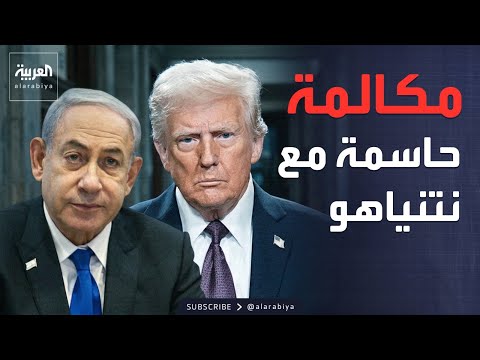
- Emphasizes personal responsibility in negotiations with Iran
- Considers military action if negotiations do not yield satisfactory results
- Indicates willingness to negotiate but sets conditions deemed unacceptable by the U.S
- Utilizes time to enhance military capabilities and maintain regional influence
- European nations prefer to maintain neutrality in the U.S.-Iran conflict
- Concerns exist about the potential for prolonged conflict affecting global stability
- President Trump discussed Irans response to the U.S. proposal with Israeli Prime Minister Benjamin Netanyahu, highlighting the strong U.S.-Israel relationship
- Trump deemed Irans response unacceptable and stated that negotiations with Tehran are solely his responsibility
- The U.S. is weighing its options regarding Iran, including potential military action, while also pursuing diplomatic efforts, as evidenced by Trumps upcoming visit to China
- Iran has requested a cessation of hostilities and guarantees in exchange for reopening the Strait of Hormuz, while maintaining its right to a peaceful nuclear program
- The U.S. administration considers Irans response politically and strategically inadequate, particularly concerning uranium enrichment, but remains open to further negotiations
- President Trump stated that the responsibility for negotiations with Iran rests solely with him, reflecting a personal approach to diplomacy
- The U.S. may consider further discussions with Iran following its recent response, which Trump labeled as unacceptable
- Military action remains a potential option for the U.S, although no immediate plans for escalation have been confirmed
- Iran has indicated a willingness to cease hostilities and provide guarantees in exchange for reopening the Strait of Hormuz, presenting a possible negotiation pathway
- Reports suggest that Irans response includes a commitment to its peaceful nuclear program and the possibility of relocating enriched uranium to a non-U.S. country if negotiations progress
details
- The Iranian response to U.S. proposals has fallen short of expectations, raising concerns about escalating tensions and the possibility of military action
- Trumps conversation with Israeli Prime Minister Netanyahu highlighted the significance of U.S.-Israel relations and the necessity for a coordinated strategy regarding Iran
- There are signs that Trump may explore military options if Iran fails to make satisfactory concessions during ongoing negotiations
- The upcoming visit to China by Trump could affect U.S. strategy towards Iran and its regional allies, adding complexity to the situation
- Irans willingness to negotiate on uranium enrichment and potential collaboration with Russia may influence the dynamics of the talks and U.S. responses
- President Trump stated that the decision on military action against Iran is solely his responsibility, emphasizing that negotiations with Tehran are not a shared endeavor
- The U.S. administration recognizes the internal Iranian struggle between hardliners and moderates, which could impact the conflicts duration and the chances for a peaceful resolution
- Irans military strategy seems aimed at prolonging the conflict due to fears of internal consequences once hostilities end, indicating a complex relationship between domestic politics and international negotiations
- Trumps administration is demanding significant concessions from Iran, particularly regarding uranium enrichment, while Iran is open to negotiations but has set conditions that the U.S. finds unacceptable
- The possibility of military action remains dependent on Irans response to U.S. demands, with Trump suggesting he may consider military options if negotiations do not produce satisfactory results within a certain timeframe
- President Trump indicated that military action against Iran remains a possibility if negotiations do not succeed, though he has not specified a definitive plan
- In a recent call with Israeli Prime Minister Benjamin Netanyahu, Trump characterized the discussion as positive, highlighting the strong U.S.-Israel relationship concerning Iran
- Trump emphasized that the responsibility for negotiations with Iran lies primarily with him, rather than being a collaborative effort with other parties
- There are concerns that a military response could escalate tensions and empower hardliners in Iran, complicating future diplomatic negotiations
- The U.S. is also addressing broader issues beyond Irans nuclear program, including missile development and human rights, which are currently being overlooked in diplomatic discussions
- Iran is leveraging its control over the Strait of Hormuz to exert pressure on the U.S. and its allies, impacting global energy supplies
- The U.S. is caught between continuing negotiations with Iran and considering military options, as Iran appears to be stalling while pursuing its nuclear ambitions
- The conflict has persisted for forty days without Iran indicating a willingness to capitulate, raising doubts about the effectiveness of U.S. sanctions and military strategies
- Concerns exist that Irans tactics could lead to a prolonged stalemate, as it fights on its own territory and has the advantage of time in negotiations
- The U.S. administration is exploring various scenarios, including tightening maritime sanctions against Iranian shipping and potentially increasing military engagement in the region
- President Trump stated that negotiations with Iran are his personal responsibility, indicating a potential shift in U.S. strategy regarding Irans nuclear program and military options
- The U.S. faces a dilemma between continuing diplomatic talks and considering military action as tensions with Iran remain high
- Iran is using time to enhance its military capabilities and maintain regional influence, particularly through its proxies in Lebanon and Iraq
- Ongoing negotiations have not produced significant results, raising concerns that the U.S. may become trapped in prolonged discussions without achieving its goals
- Trump criticized former President Obama for financially supporting Iran, implying that previous policies may have encouraged Iranian aggression
- President Trump discussed Irans response to U.S. proposals with Israeli Prime Minister Netanyahu, asserting that negotiations with Tehran are his personal responsibility
- Trump did not specify whether the U.S. would continue diplomatic negotiations or explore military options amid rising tensions with Iran
- As Trump prepares for an official visit to China, he is expected to address concerns related to Iran and Russia, reflecting the complexities of U.S.-China relations
- The U.S. military faces challenges in resource management during a prolonged conflict with Iran, raising concerns among allies about Americas capacity to provide military support
- China is closely observing U.S. military strategies in the context of the ongoing conflict with Iran, which may impact its own military evaluations
- Iran is strategically extending negotiations with the U.S. to gain time and avoid making immediate concessions
- The U.S. response to Irans actions could significantly impact global oil prices, with potential disruptions leading to price increases
- There is a perception that U.S. economic pressure aims to compel Iran to make concessions, particularly regarding military funding and internal stability
- The political landscape in the U.S. is complicated, with considerable opposition to extended military involvement, which may influence Trumps decisions as elections approach
- Concerns persist about the possibility of a long-term conflict, reminiscent of previous engagements, which could provoke public dissent
- President Trump discussed Irans response to U.S. proposals with Israeli Prime Minister Netanyahu, asserting that negotiations with Tehran are his personal responsibility
- Trump did not specify whether the U.S. would pursue further diplomatic negotiations or consider military options amid ongoing tensions with Iran
- As Trump prepares for an official visit to China, there are speculations about Beijings potential role in mediating the U.S.-Iran conflict
- Irans recent military actions, including targeting vessels in the region, have raised significant concerns about maritime security
- European nations, particularly Britain and France, are organizing a conference with multiple countries to address the situation in the Strait of Hormuz, indicating a collective diplomatic effort
- European nations are reluctant to engage militarily against Iran, believing that military action would worsen tensions rather than resolve them
- There is a perception that President Trump does not view European leaders as equal partners, complicating diplomatic relations
- The ongoing U.S.-Iran conflict has resulted in a lack of coordination among European countries, which prefer to maintain neutrality
- The Trump administration is focusing on pressuring China to reduce its support for Iran and Russia, indicating a shift in U.S. foreign policy
- European nations may have a significant role in future negotiations with Iran, contingent on the establishment of a diplomatic agreement
The assumption that Trump's personal responsibility in negotiations with Iran will yield favorable outcomes overlooks the complex geopolitical dynamics at play. Inference: The lack of clarity on the U.S.'s strategic objectives and the potential for miscalculation could lead to unintended escalation, particularly if military options are pursued without robust diplomatic groundwork.
This analysis is an original interpretation prepared by Art Argentum based on the transcript of the source video. The original video content remains the property of the respective YouTube channel. Art Argentum is not responsible for the accuracy or intent of the original material.