Escalation of Drone Warfare in Ukraine-Russia Conflict
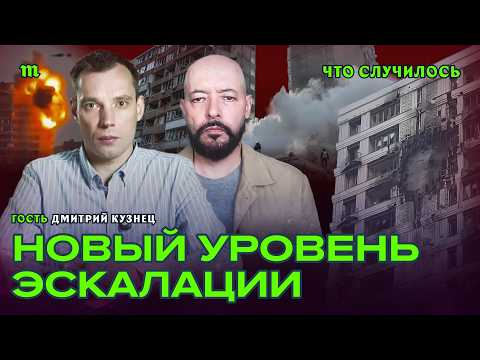
Analysis of the escalation of drone warfare in the Ukraine-Russia conflict, based on "Strikes on Deep Rear Areas Have Reached a New Level I Dmitry Kuznets" | MeduzaPro.
OPEN SOURCEOn May 17, Moscow experienced its deadliest drone attack in four years, resulting in three deaths and 16 injuries. This incident followed a Russian strike on Kyiv that killed 24, including children, indicating an escalation in military tactics between Ukraine and Russia.
The recent surge in drone attacks by Ukraine and Russia signifies a major escalation in the conflict, with Ukraine now capable of striking deep into Russian territory. Military expert Dmitry Kuznets highlights that these strikes aim to inflict economic damage while also attempting to sway public perception and morale on both sides.
Despite advancements in drone technology, Ukraine's ability to inflict substantial economic damage on Russia remains limited due to lower payload capacities compared to Russian missiles. The operational effectiveness of drones is influenced by navigation systems that can be disrupted by both sides, resulting in misdirected strikes and unintended targets.
Concerns about civilian casualties are prominent, especially in urban areas, where drone strikes can result in multiple deaths if residential buildings are targeted. The conflict has evolved to include targeting deep behind enemy lines, indicating a strategic shift that emphasizes psychological warfare and disruption of resources.
Experts emphasize the need for both sides to address shortcomings in their weapon systems to minimize civilian harm, as the current situation shows a troubling trend of increasing civilian casualties. Historical precedents suggest that air campaigns targeting civilian infrastructure often fail to significantly alter public opinion against the opposing side.
- Utilizes advanced drone technology to target Russian infrastructure
- Aims to sway public perception and morale through strategic strikes
- Conducts retaliatory strikes on Ukrainian cities, causing civilian casualties
- Maintains superior missile capabilities for combined operations
- Both sides face challenges with drone navigation systems leading to unintended strikes
- Civilian casualties are a significant concern in urban warfare
- On May 17, Moscow faced its deadliest drone attack in four years, resulting in three deaths and 16 injuries, following a Russian drone strike on Kyiv that killed 24, including children
- The escalation in drone warfare has prompted both Ukraine and Russia to alter their rhetoric, with Ukraine seeking to bring the conflict closer to Russian civilians to increase awareness
- Ukrainian drone capabilities have reportedly improved, enabling strikes on targets over a thousand kilometers away, potentially equalizing the situation against Russian forces
- The daylight timing of the May 17 attack allowed for better visibility, leading to a record number of interceptions by Russian defenses
- Despite the scale of the drone assault, the damage was relatively minor, primarily impacting industrial sites rather than causing extensive destruction
- The recent drone attacks on Moscow mark a significant escalation in the conflict, showcasing Ukraines enhanced operational capabilities to strike deep into Russian territory
- Despite the increase in drone strikes, Ukraines long-range missile capabilities remain limited compared to Russias, which can conduct combined operations with drones and missiles to effectively overwhelm air defenses
- The attacks on Moscow involved various drones and missiles targeting critical infrastructure, reflecting a strategic shift in Ukraines military approach
- Russian air defense systems are under pressure as they struggle to intercept numerous incoming threats, especially during nighttime when visibility is compromised
- Ukrainian military officials characterize their actions as a response to Russian strikes, indicating a tit-for-tat dynamic aimed at bringing the conflict closer to Russian civilians
- Ukraines drone capabilities have significantly improved, enabling targeted strikes on critical Russian infrastructure, including oil facilities, which can disrupt the economy and affect public sentiment
- Despite advancements in drone technology, Ukraines ability to inflict substantial economic damage on Russia remains limited due to lower payload capacities compared to Russian missiles
- The military disparity persists, with Russia capable of executing combined operations using both drones and missiles, while Ukraine focuses on precision strikes with fewer resources
- In response to losing access to Starlink, Ukraine has developed alternative communication systems for drone operations, ensuring continued effectiveness in contested regions
- The integration of machine vision technology in drones is enhancing targeting accuracy, particularly in the final stages of attacks, which is vital for engaging moving targets
- The recent surge in drone attacks by Ukraine and Russia signifies a major escalation in the conflict, with Ukraine now capable of striking deep into Russian territory
- On May 17, Moscow faced its deadliest drone attack in four years, resulting in three deaths and 16 injuries, while a Russian strike on Kyiv just days prior killed 24, including children
- Drones have evolved from tools of harassment to strategic assets, with Ukraine utilizing advanced technology to target Russian supply lines and critical infrastructure
- Despite the increase in drone strikes, their overall impact on the Russian military-industrial complex is limited, as drones generally lack the payload capacity to cause significant damage compared to traditional missiles
- The dynamics of the conflict indicate that while drone warfare is becoming more common, it may not directly influence frontline conditions, but serves to showcase resolve and retaliate against perceived aggressions
- The recent drone attacks by Ukraine on Moscow mark a significant escalation in the conflict, with the deadliest incident occurring on May 17, resulting in three fatalities and 16 injuries
- In retaliation, Russia conducted a massive strike on Ukraine on May 14, which caused the collapse of a residential building in Kyiv, leading to 24 deaths, including three children, and 48 injuries
- Military expert Dmitry Kuznets highlights that these strikes aim to inflict economic damage while also attempting to sway public perception and morale on both sides
- Historical precedents suggest that air campaigns targeting civilian infrastructure often fail to significantly alter public opinion against the opposing side, as evidenced by the Yugoslav Wars
- Kuznets contends that while targeting energy infrastructure may appear strategically beneficial, it is unlikely to lead to immediate or substantial changes in the conflict dynamics, as the economic repercussions may not be severe enough to influence the wars trajectory
- Recent drone attacks in Moscow and the surrounding region marked the deadliest incident in four years of conflict, resulting in three fatalities and 16 injuries, indicating a significant escalation in aerial warfare
- The strategic implications of both Russia and Ukraine targeting each others deep rear areas, suggesting these actions serve as psychological warfare in addition to military objectives
- The effectiveness of drone strikes against critical infrastructure, such as oil refineries and export terminals, is debated; while they can inflict economic damage, they may not lead to substantial shifts in political dynamics
- Ukraines technological capabilities are evolving, supported by European assistance, which could impact future military operations and the scale of attacks on Russian targets
- Concerns about civilian casualties are prominent, especially in urban areas, where drone strikes can result in multiple deaths if residential buildings are targeted, highlighting the risks associated with such military tactics
- Recent drone attacks in Moscow resulted in three fatalities and 16 injuries, marking a significant escalation in aerial warfare and raising concerns about the accuracy of such strikes in urban environments
- Both Russia and Ukraines use of drones has increased the risk of collateral damage, as evidenced by incidents in Kyiv where residential buildings were targeted, leading to high civilian casualties
- The operational effectiveness of drones is influenced by navigation systems that can be disrupted by both sides, resulting in misdirected strikes and unintended targets
- The conflict has evolved to include targeting deep behind enemy lines, indicating a strategic shift that emphasizes psychological warfare and disruption of resources
- Despite the high casualty rates, the overall effectiveness of drone strikes in achieving military objectives is debated, as the potential for collateral damage complicates their deployment in populated areas
- The recent drone attacks on Moscow resulted in three fatalities and 16 injuries, marking the deadliest incident in four years of conflict. A prior Russian strike on Kyiv caused 24 deaths, including three children
- Responsibility for civilian casualties during military operations primarily lies with the attacking side, although both parties are expected to avoid placing military targets near civilian areas
- Significant collateral damage has occurred due to issues with missile guidance systems, as highlighted by a missile strike on a childrens hospital in Kyiv, indicating potential flaws in targeting technology
- The effectiveness of drones used by both Russia and Ukraine is questioned, as their navigation systems can be easily jammed or misled, leading to unintended strikes on civilian infrastructure
- Experts emphasize the need for both sides to address shortcomings in their weapon systems to minimize civilian harm, as the current situation shows a troubling trend of increasing civilian casualties
The assumption that drone strikes are merely acts of intimidation overlooks the strategic implications of targeting civilian areas. Inference: The effectiveness of Ukrainian drone capabilities suggests a shift in the balance of power, yet the limited damage indicates potential underestimation of Russian defenses and the psychological impact on civilians.
This analysis is an original interpretation prepared by Art Argentum based on the transcript of the source video. The original video content remains the property of the respective YouTube channel. Art Argentum is not responsible for the accuracy or intent of the original material.