Poland's Public Security and Police Accountability
Analysis of Poland's public security challenges and police accountability, based on 'Former officer of SKW: it's about numbing society to such signals' | Telewizja Republika.
OPEN SOURCEPoland's public security system faces significant challenges, particularly in light of recent events that have heightened concerns about safety and governance. Participants highlight the critical need to combat misinformation and emphasize the role of public officials in fostering community trust, especially during crises.
Concerns have been raised regarding the police's effectiveness in responding to anonymous incident reports, highlighting issues of timely action and accountability. The implications of police inaction are significant, particularly for citizen safety and the risk of recurring incidents if appropriate measures are not implemented.
The questions the accountability of authorities, noting a lack of clear information following recent events and four days of uncertainty. Concerns are raised about the potential misuse of personal data by police, suggesting individuals could be unfairly targeted based on their information.
The Prime Minister's recent actions have not been communicated to the public, raising concerns about government transparency. Officials express growing anxiety over the Polish state's cyber security, particularly regarding potential Russian interference.
Concerns have emerged regarding the legality and transparency of police operations, particularly following a recent search that raised procedural questions. The calls for greater accountability within the police force, proposing the establishment of a parliamentary committee to oversee police actions and governance.
The discussion highlights the need to desensitize society to certain signals, indicating a broader implication for public awareness. This reflects ongoing concerns about police operations and their impact on public trust.
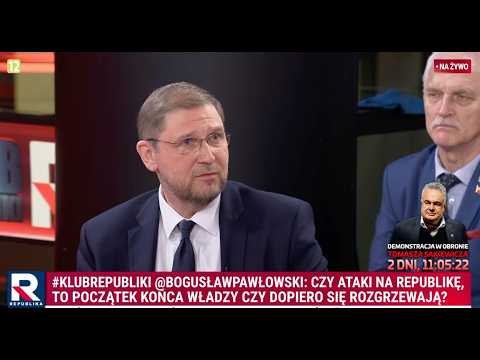
- Advocate for increased transparency and accountability within the police force
- Highlight the need for timely police responses to ensure citizen safety
- Question the effectiveness of police interventions and their impact on public trust
- Raise concerns about potential abuses of power and lack of accountability
- Acknowledge the complexity of public perceptions regarding police legitimacy
- Recognize the role of misinformation in shaping public trust
- Polands public security system is currently facing significant challenges, particularly in light of recent events that have heightened concerns about safety and governance
- Participants highlight the critical need to combat misinformation and emphasize the role of public officials in fostering community trust, especially during crises
- There is a strong call for transparency and accountability from government officials, particularly regarding the police and their management of public safety matters
- The discussion indicates that the current state of public security is vital, with potential implications for the overall stability of the nation amid ongoing tensions
- Concerns have been raised regarding the polices effectiveness in responding to anonymous incident reports, highlighting issues of timely action and accountability
- The implications of police inaction are significant, particularly for citizen safety and the risk of recurring incidents if appropriate measures are not implemented
- The speaker underscores the necessity for police preparedness and advocates for a more proactive approach in managing reports, especially during critical situations
- Questions about the transparency and efficiency of the police force are prominent, with delays in response potentially leading to serious consequences for the community
- The speaker questions the accountability of authorities, noting a lack of clear information following recent events and four days of uncertainty
- Concerns are raised about the potential misuse of personal data by police, suggesting individuals could be unfairly targeted based on their information
- The speaker compares the current chaos in their country to situations in the US, indicating a perceived breakdown in law enforcement and public safety
- There are suspicions that recent police actions may be part of a larger, possibly orchestrated operation, raising questions about the motives behind these activities
- The speaker criticizes the governments response to threats, suggesting a failure to adequately protect citizens from potential attacks
- The Prime Ministers recent actions have not been communicated to the public, raising concerns about government transparency
- Officials express growing anxiety over the Polish states cyber security, particularly regarding potential Russian interference
- There is a notable lack of accountability from key figures, such as the Minister of Justice, which impacts national security
- Widespread fears about public safety and the risk of violent attacks due to insufficient governmental oversight
- Urgent calls for the government to address these issues are evident, as the public remains largely unaware of critical security developments
- Concerns have been raised regarding police interventions and the perceived lack of accountability for certain individuals involved, indicating issues within law enforcement
- Allegations of paranoia and incompetence among police officers have emerged, particularly related to their intervention tactics and the legitimacy of their actions
- The need for transparency and adherence to legal standards during police interventions
- Skepticism about the effectiveness of current police practices reflects a broader distrust in law enforcement and the justice system
- There are indications that the state may be failing to safeguard citizens rights during police operations, which could lead to potential abuses of power
- The need to understand the roles and rights of government officials, particularly regarding police interventions and media representation
- Concerns about the polices lack of transparency and communication suggest long-standing systemic issues within law enforcement
- A disconnect between public perception and the reality of police operations as portrayed by the media
- There is a strong call for accountability and clarity in police conduct, especially in light of unresolved past incidents
- Frustration with the current state of law enforcement is evident, indicating a decline in public trust due to ongoing issues
- The police are seen as being influenced by external pressures, which hampers their ability to respond effectively during protests and public unrest
- Concerns have been raised about the polices role in escalating tensions, with claims of provocations and poor management in situations involving citizens
- The speaker references a historical context of solidarity against oppression, arguing that current police actions contradict these foundational values
- There is a notable neglect of police officers health and safety by the government, despite the challenges they face in their roles
- The need for accountability and transparency within the police force is emphasized, particularly regarding their treatment of citizens and management of protests
- Concerns have been raised about political influences, particularly regarding expectations from certain political figures and foreign entities, highlighting a need for political reform
- Allegations of police aggression during a recent incident suggest that individuals were treated unfairly and denied their legal rights
- The speaker stresses the importance of law and order while critiquing the current state of police operations and their engagement with the public
- A specific legal article is referenced, emphasizing individual rights and raising broader concerns about civil liberties in relation to police conduct
- The situation is characterized as chaotic, with reports of disbanded police operations and a pressing need for accountability within law enforcement
details
- Concerns have emerged regarding the legality and transparency of police operations, particularly following a recent search that raised procedural questions
- There are worries about the adequacy of police documentation, with suggestions that information may have been withheld or evidence not properly provided during investigations
- The speaker calls for greater accountability within the police force, proposing the establishment of a parliamentary committee to oversee police actions and governance
- A specific case involving a child highlights the emotional and ethical dimensions of police conduct, indicating that individuals past experiences can shape their views on justice and authority
- Concerns have been raised about police interventions and their impact on public safety, especially following recent incidents of aggressive behavior by officers
- Criticism has been directed at the polices preparedness and response to threats, suggesting that current strategies may not effectively address the complexities of ensuring public safety
- The need for transparency and accountability within the police force is emphasized, particularly in light of previous errors and the management of sensitive situations
- The societal repercussions of police actions, noting that public fear and mistrust could significantly affect community relations
- Political dynamics are also examined, with references to government actions and the influence of various officials on police policy and public perception
- Concerns have been raised regarding the effectiveness of military and police operations, particularly about adherence to proper protocols during recent incidents
- Frustration exists over the lack of communication and transparency from authorities, especially concerning public safety and security measures
- The speaker highlights the importance of citizen engagement in governance, suggesting that current political actions may not reflect the interests of the public
- There are worries about the potential abuse of power by officials, leading to feelings of fear and oppression among citizens due to government actions
- The discussion emphasizes the necessity of accountability within the police force to maintain public trust, particularly in light of recent events
- A significant development regarding the need to desensitize society to certain signals, suggesting a broader implication for public awareness and engagement
The discussion highlights a critical assumption that increased transparency will inherently lead to improved public trust, yet it overlooks the potential for misinformation to persist despite such efforts. Inference: The effectiveness of transparency measures may be contingent on the public's ability to discern credible information from misinformation, which remains unaddressed. Without addressing the underlying issues of misinformation and public perception, the proposed solutions may fall short.
This analysis is an original interpretation prepared by Art Argentum based on the transcript of the source video. The original video content remains the property of the respective YouTube channel. Art Argentum is not responsible for the accuracy or intent of the original material.