Pediatric Health and Nutrition Insights
Analysis of pediatric health and nutrition, based on 'Hello Doctor | Pediatric and Neonatal Diseases' | Jordan TVCH1.
OPEN SOURCEDiscussion emphasizes the critical role of vitamins C and E in pediatric health, particularly their contributions to immune function and skin health. Recommendations for daily vitamin C intake are provided, highlighting the differences between children and adults.
Vitamin E is identified as essential for maintaining eye health and preventing complications from deficiencies. The conversation also addresses the importance of moderation in vitamin E consumption due to potential health risks.
Concerns regarding children's developmental delays are raised, stressing the necessity for comprehensive medical evaluations to uncover potential causes. Parents are encouraged to monitor their child's progress closely.
The dialogue highlights the variability in developmental milestones among children, emphasizing the need for early intervention and the influence of genetics and environmental factors on development.
Common health issues in children, such as respiratory problems and allergies, are discussed, with an emphasis on the importance of early diagnosis and treatment to prevent complications.
Parents are urged to seek medical advice for persistent health issues and to ensure regular health check-ups and vaccinations to maintain their children's physical health.
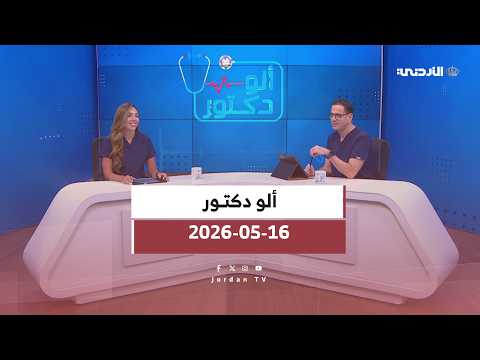
- Highlights the essential roles of vitamins C and E in childrens health
- Emphasizes the need for regular monitoring of developmental milestones
- Questions the focus on vitamins without considering dietary diversity and socioeconomic factors
- Argues that access to healthcare resources significantly impacts health outcomes
- Acknowledges the variability in childrens developmental milestones
- Recognizes the importance of parental involvement in monitoring health
- Pediatric health, emphasizing common childhood illnesses and the critical role of nutrition in early development
- Vitamin C is identified as a vital antioxidant that bolsters the immune system and helps mitigate early aging and diseases linked to free radicals
- Daily Vitamin C intake recommendations vary: children should consume about 45 mg, while adults need between 75 to 90 mg
- Rich sources of Vitamin C include fruits such as oranges, kiwis, and strawberries, with bell peppers being particularly abundant in this nutrient
- The segment also highlights the importance of Vitamin E for skin health and immune function, stressing the need for a balanced intake rather than excessive amounts
- Vitamin E is essential for maintaining eye health, particularly for night vision, and a deficiency can result in blurred vision
- Both animal and plant-based foods, including dairy and certain vegetables, are important sources of Vitamin E, which aids in converting beta-carotene into this nutrient
- Excessive consumption of Vitamin E may lead to health complications such as kidney stones and gastrointestinal issues, underscoring the need for moderation
- Children frequently report abdominal pain that is often linked to functional gastrointestinal issues rather than serious medical conditions, which can be aggravated by stress or anxiety related to school
- It is important for parents to consider emotional and psychological factors when addressing their childrens complaints, as these can significantly influence physical symptoms
details
details
details
- A parent raises concerns about their childs developmental delays, particularly regarding walking and coordination
- The doctor highlights the necessity of comprehensive medical evaluations to uncover potential causes of developmental delays, which may include genetic factors or complications during birth
- Developmental issues in children can present in various forms, making it essential to evaluate not only physical milestones but also cognitive and social development
- The doctor points out that some children may regress in skills they had previously mastered, emphasizing the importance of careful monitoring and timely intervention
- The discussion stresses the importance of parents being proactive in seeking medical advice and understanding the complexities involved in child development
- Parents should closely observe their childs developmental milestones, such as walking and talking, particularly by three months of age, to ensure proper progress
- Consulting a pediatrician is essential if a child exhibits signs of developmental delays, including difficulties in walking or speaking
- Developmental issues in children may stem from various factors, including genetic influences, oxygen deprivation during birth, or metabolic disorders, necessitating specialized medical evaluation
- Parents are advised to seek guidance from multiple specialists, such as pediatricians, ENT doctors, and respiratory specialists, if they have ongoing health concerns about their child
- Developmental milestones, particularly for walking and speech, can vary significantly among children, and parents should closely monitor their childs progress
- Factors such as premature birth can influence developmental timelines, making it essential for parents to be vigilant about their childs growth
- Early intervention is crucial; if a child is not meeting milestones, consulting a pediatric specialist is recommended
- Genetics and environmental factors play a significant role in a childs development, affecting both physical and cognitive growth
- In cases of significant delays, physical therapy may be beneficial for strengthening necessary muscle groups
- Common health issues in children include adenoid and sinus problems, which can lead to respiratory issues and allergies
- Early diagnosis and treatment of these conditions are crucial to prevent complications, as children often face recurrent infections
- Allergies can exacerbate respiratory problems, indicating that environmental factors may increase the frequency of these health issues
- Parents should closely monitor their childrens symptoms and seek medical advice for persistent issues, as timely intervention can improve outcomes
- Vaccinations and proper nutrition are essential for strengthening childrens immune systems against common ailments
- Childrens health and development, particularly addressing concerns like speech delays and physical health issues
- A parent expresses concern about their two-year-old childs limited verbal communication, indicating potential speech delays
- The expert stresses the significance of social interaction with peers for language development, noting that children improve their communication skills through engagement with others
- Mental health is emphasized as a vital component of child development, with its impact on overall growth and academic performance highlighted
- Regular health check-ups and vaccinations are underscored as essential for maintaining childrens physical health and preventing future issues
- Monitoring childrens development is crucial, especially for language skills, with milestones such as speaking simple words by age one
- Delayed speech in children raises concerns, highlighting the importance of early intervention and social interaction with peers to support language acquisition
- The psychological well-being of children is essential for their overall development, affecting both academic performance and social skills
- Parental concerns about childrens appetite and weight are addressed, with recommendations to assess growth against established growth charts to ensure healthy development
details
details
details
The emphasis on vitamin C and E overlooks potential confounders such as dietary diversity and socioeconomic factors affecting nutrition. Inference: The assumption that increased vitamin intake directly correlates with improved health outcomes lacks consideration of these variables. Without addressing these missing elements, the argument remains incomplete and potentially misleading.
This analysis is an original interpretation prepared by Art Argentum based on the transcript of the source video. The original video content remains the property of the respective YouTube channel. Art Argentum is not responsible for the accuracy or intent of the original material.