Iran's Geopolitical Influence and Regional Stability
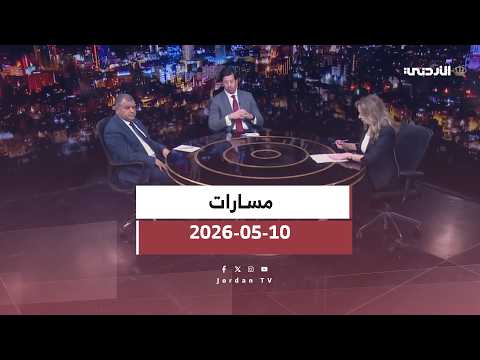
Analysis of Iran's geopolitical influence and regional stability, based on "Masarat | 10-05-2026" | Jordan TVCH1.
OPEN SOURCEOngoing tensions between Iran and Israel highlight the complexities of the diplomatic environment, with both sides engaging in dialogue despite military threats. Recent developments suggest that while peace proposals are being discussed, a significant resolution remains uncertain.
Negotiations between Iran and the United States are complicated, with Iran seeking international guarantees and a return to the nuclear agreement, while the U.S. emphasizes concerns over uranium enrichment and military threats. Both parties seem to be at an impasse, unwilling to cease military actions.
The Iranian political system operates under a form of institutional dictatorship, complicating negotiations with external parties. Assassinations of key figures are considered sacred acts within the Iranian regime, reflecting the deep-rooted beliefs that influence decision-making.
Iran is utilizing its regional influence and partnerships with China and Russia to negotiate favorable terms while projecting strength against the U.S. The dual role of Iran as a supporter of resistance movements and a potential aggressor complicates its relationships with Arab nations.
King Abdullah emphasizes the need for Arab unity and collaboration to address regional challenges, particularly the Palestinian issue. He warns that unresolved conflicts could lead to prolonged instability in the region.
- Emphasizes the importance of its nuclear program as essential to national interests
- Utilizes regional partnerships to strengthen its geopolitical stance against the U.S
- Calls for Iran to cease military actions and comply with international agreements
- Expresses concerns over Irans military capabilities and regional ambitions
- Both sides engage in dialogue despite ongoing military threats
- Regional dynamics are influenced by the need for Arab unity against external pressures
- The ongoing tensions between Iran and Israel, particularly the current state of negotiations and the risk of military escalation
- Experts are uncertain whether the situation represents a temporary ceasefire or a precursor to further conflict, highlighting the complexities of the diplomatic environment
- Both sides appear willing to engage in dialogue, despite the ongoing military threats and hostilities
- Intermediaries play a crucial role in managing the conflict, as the situation has not reached a resolution but is in a phase of management
- Recent developments indicate that while peace proposals are being discussed, the timeline for any significant change remains unclear, with both sides firmly entrenched in their positions
- Negotiations between Iran and the United States are complicated, with Iran seeking international guarantees and a return to the nuclear agreement, while the U.S. emphasizes concerns over uranium enrichment and military threats
- Both parties seem to be at an impasse, unwilling to cease military actions, which may indicate a state of exhaustion in the negotiation process
- The conflict has evolved into an economic war, with the U.S. struggling to meet its military objectives despite significant strikes against Iranian targets
- Irans strategic positioning and resilience in negotiations suggest it is effectively using its geopolitical situation to counter pressures from the U.S. and Israel
- Mutual distrust complicates the narrative surrounding the negotiations, particularly from Irans perspective regarding U.S. intentions, impacting the likelihood of a successful resolution
- The Iranian political system operates under a form of institutional dictatorship, where the Supreme Leaders authority complicates negotiations and compromises
- Assassinations of key figures are considered sacred acts within the Iranian regime, reflecting the deep-rooted beliefs that influence decision-making
- Negotiations between the U.S. and Iran are stalled due to a lack of political will from both sides, as neither wants to appear weak or concede
- Recent shifts in the negotiation landscape, including the involvement of various regional and international mediators, may revitalize discussions that have been stagnant
- The conflict has expanded beyond bilateral concerns, with Israels involvement being significant but not central, as the implications affect global economic and political stability
- The complexities surrounding the Iranian nuclear issue, focusing on the critical nature of various proposals and the U.S. position on sanctions and military actions
- Irans response to U.S. proposals involves a gradual approach to lifting sanctions, emphasizing strategic dialogue with regional and Arab nations to create a security framework
- The U.S. is navigating a challenging situation, attempting to mediate through Pakistan while struggling to influence Irans decisions, which are closely linked to its national interests
- There are signs of behind-the-scenes negotiations between U.S. and Iranian officials, indicating the possibility of undisclosed agreements despite public rejections of proposals
- The geopolitical landscape is evolving, with Israels influence becoming less central as broader regional dynamics, particularly Irans role, shape U.S. foreign policy
- Global power dynamics are shifting as emerging nations increasingly challenge the traditional dominance of the United States, particularly in military and economic alliances
- Countries such as Taiwan and South Korea are engaging in arms deals that signal a potential realignment of international relations and a changing balance of power
- The international system is perceived to be at risk of collapse, influenced not only by American policies but also by the rise of other powerful nations and the weakening of established alliances
- Iran is strategically maneuvering within the geopolitical landscape, demonstrating its ability to withstand U.S. pressure by leveraging its relationships and resources
- The nature of alliances is evolving, with countries reassessing their dependencies, especially in the Middle East, where traditional allies may no longer align with U.S. interests
- Iran is firmly committed to its nuclear program, viewing it as essential to its national interests, while also using regional conflicts to enhance its influence
- The global power landscape is evolving, with nations like China and Russia increasingly challenging U.S. dominance and reshaping international relations
- European countries, particularly Germany and France, are exploring ways to reduce their dependence on U.S. military support, indicating a shift towards greater autonomy
- Ongoing Middle Eastern conflicts, especially those involving Iran, are driving regional realignments and the formation of new alliances
- The changing dynamics of international partnerships suggest a potential reconfiguration of global power balances
- The global perception of Iran has evolved from initial sympathy during the Gaza conflict to a clearer recognition of its ambitions and actions
- Irans growing regional influence is viewed as a significant threat, particularly due to its military capabilities and strategic objectives
- There is a call for Arab nations to unite and formulate a cohesive strategy to counter Irans influence, rather than depending solely on external powers like the United States
- Economic challenges faced by Arab states may hinder their ability to sustain prolonged conflicts, contrasting with Irans more robust strategic framework
- The importance of diplomatic engagement is emphasized, but Irans history of evasion in negotiations raises concerns about trust and guarantees in international agreements
- Iran is utilizing its regional influence and partnerships with China and Russia to negotiate favorable terms while projecting strength against the U.S
- The dual role of Iran as a supporter of resistance movements and a potential aggressor complicates its relationships with Arab nations
- There is a strong call for Arab countries to improve coordination and collaboration to effectively counter external threats, highlighting the need for a unified Arab strategy against Irans ambitions
- Current geopolitical tensions are characterized as a conflict between Iranian expansionism and the necessity for a cohesive Arab response, impacting regional stability and security
- The dialogue indicates that the U.S. may be underestimating Irans capabilities and intentions, which could result in miscalculations in future diplomatic efforts
- King Abdullahs visits to Gulf nations highlight the necessity for Arab unity and collaboration, particularly concerning the Palestinian issue amidst ongoing regional conflicts
- There is a call for Arab countries to enhance self-reliance and establish strategic alliances to effectively tackle regional challenges and shifting power dynamics
- The dialogue emphasizes the critical role of diplomacy, asserting that it complements military efforts and is essential for achieving lasting peace and stability
- The King underscores the importance of acknowledging Palestinian rights, warning that unresolved issues could lead to extended conflicts and instability
- Concerns are raised about the geopolitical landscape, particularly regarding nuclear agreements and the influence of regional powers like Saudi Arabia and Pakistan
- The segment stresses the necessity for regional cooperation among Arab states, particularly regarding security and military alliances
- It calls for Gulf nations to bolster their self-reliance and capabilities in light of ongoing geopolitical tensions
- The implications of the Palestinian issue for regional stability, warning that unresolved conflicts may lead to further unrest
- The speaker emphasizes Jordans leadership role in advocating for Palestinian rights and addressing regional security challenges
- There is a push for transparency in diplomatic efforts, with an assertion that Jordans approach is open and free of hidden agendas
The assumption that dialogue can effectively manage the conflict overlooks the potential for miscommunication and escalation. Inference: The reliance on intermediaries may not account for the underlying motivations of each side, which could lead to a breakdown in negotiations if not properly addressed. Missing variables include the influence of external actors and the internal political dynamics within both nations, which could skew perceptions of the situation.
This analysis is an original interpretation prepared by Art Argentum based on the transcript of the source video. The original video content remains the property of the respective YouTube channel. Art Argentum is not responsible for the accuracy or intent of the original material.