Economic Impact of Rising Oil Prices in South Korea
Analysis of the economic impact of soaring oil prices in South Korea, based on "How South Korea is struggling with soaring oil pricesーNHK WORLD-JAPAN NEWS" | NHK WORLD-JAPAN.
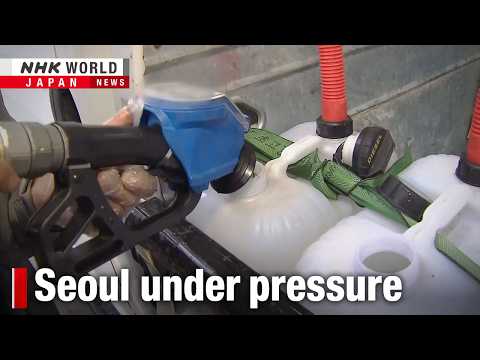
OPEN SOURCERising oil prices, influenced by global conflicts, are causing significant disruptions in daily life across South Korea, including shortages of essential goods. The conflict has led to increased costs that affect various sectors, from transportation to basic supplies.
To mitigate fuel costs, the South Korean government has imposed restrictions on vehicle usage, limiting government cars on the road to half each day. This strategy is reminiscent of measures taken during the 2000 financial crisis, highlighting the severity of the current situation.
In response to increasing expenses, individuals and businesses are adapting; commuters are carpooling to save on fuel costs, while small businesses are experiencing supply shortages for items like plastic cups. These adaptations reflect the broader economic strain felt by many.
The government is offering financial assistance to the bottom 70% of income earners, providing up to $400 for spending at small businesses. However, many merchants report a decline in customer spending, indicating that the relief measures may not be sufficient.
Despite government measures such as fuel tax reductions and increased food supplies, overall living costs continue to rise. This ongoing financial burden adds to the challenges faced by South Koreans as they navigate the impact of soaring oil prices.
- Imposes vehicle usage restrictions to reduce fuel costs
- Offers financial assistance to low-income earners to stimulate local economy
- Experiences supply shortages and increased living costs despite government efforts
- Reports declining customer spending at small businesses despite financial relief
- Rising oil prices are affecting various sectors in South Korea
- Individuals and businesses are adapting to the economic strain
- Rising oil prices, influenced by global conflicts, are causing significant disruptions in daily life across South Korea, including shortages of essential goods
- To mitigate fuel costs, the South Korean government has imposed restrictions on vehicle usage, limiting government cars on the road to half each day, a strategy reminiscent of the 2000 financial crisis
- In response to increasing expenses, individuals and businesses are adapting; commuters are carpooling, while small businesses are experiencing supply shortages for items like plastic cups
- The government is offering financial assistance to the bottom 70% of income earners, providing up to $400 for spending at small businesses, although many merchants are seeing a decline in customer spending
- Despite government measures such as fuel tax reductions and increased food supplies, overall living costs continue to rise, adding to the financial burden on South Koreans
details
The government's approach to limiting vehicle usage and providing financial assistance assumes that these measures will effectively alleviate the burden on citizens. However, the reliance on temporary solutions without addressing the root causes of rising oil prices and supply chain issues may lead to further economic strain. Inference: The effectiveness of these measures is contingent on the stabilization of global oil prices and the resilience of local supply chains, which remain uncertain.
This analysis is an original interpretation prepared by Art Argentum based on the transcript of the source video. The original video content remains the property of the respective YouTube channel. Art Argentum is not responsible for the accuracy or intent of the original material.