AI Mythos and Cybersecurity in Japan
Analysis of AI cybersecurity advancements, based on 'The strongest AI Mythos lands in Japan' | テレ東BIZ (TV Tokyo Business).
OPEN SOURCEAnthropic's AI 'Mythos' is being introduced to enhance cybersecurity for Japan's three major banks. This technology aims to improve vulnerability detection amidst evolving cyber threats, raising significant concerns regarding the adequacy of automated systems in addressing complex cybersecurity challenges.
Experts emphasize the necessity of automating cybersecurity processes to keep pace with rapidly evolving attack strategies. However, the reliance on automation may lead to complacency, as organizations might underestimate the potential for sophisticated attacks that exploit unforeseen vulnerabilities.
The introduction of Mythos represents a significant advancement in security capabilities, particularly in its ability to identify vulnerabilities and simulate attacks. Yet, the ongoing shortage of cybersecurity professionals in Japan highlights the need for innovative solutions to effectively leverage such advanced technologies.
Access to Mythos is anticipated to significantly bolster cybersecurity for Japanese companies, especially the three major banks, as they confront new threats. Companies are advised to utilize Mythos for testing their software and systems for vulnerabilities, with the potential for quick results if sufficient resources are allocated.
While AI advancements accelerate the speed of attack methods, companies struggle to patch vulnerabilities, with estimates indicating it takes considerable time to address identified weaknesses. The financial sector remains a prime target for cyber attackers, making the securing of systems critical.
Broader access to AI tools like Mythos is essential, as not only major banks but also critical industries need to enhance their cybersecurity capabilities. The urgency for companies to automate their cybersecurity processes is evident, as AI can accelerate both offensive and defensive measures.
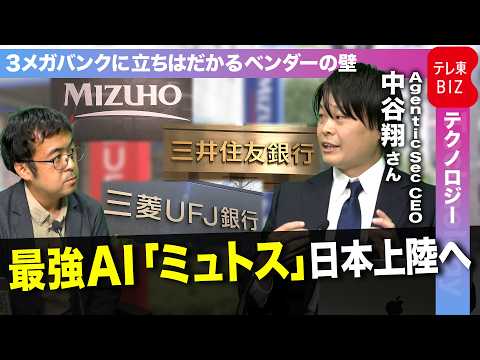
- Argue that Mythos significantly enhances vulnerability detection and cybersecurity measures
- Highlight the necessity of automating cybersecurity processes to keep pace with evolving threats
- Question the adequacy of automated systems in addressing complex cybersecurity challenges
- Acknowledge the ongoing shortage of cybersecurity professionals in Japan
- Recognize the importance of human oversight in validating automated security measures
- The potential for Japanese companies to access Anthropics AI, Mythos, is rapidly increasing, raising concerns about cybersecurity vulnerabilities as attackers may complete their attacks faster than defenses can respond
- Experts stress the need for automation in cybersecurity, as human oversight alone is inadequate to keep up with evolving threats, with many attacks potentially going undetected
- Mythos represents a significant advancement in security capabilities, particularly in its ability to identify vulnerabilities and simulate attacks, which could enhance defensive strategies
- Japans position in acquiring advanced AI technologies is crucial, especially following positive statements from U.S. officials regarding access for Japanese firms
- The ongoing shortage of cybersecurity professionals highlights the necessity for innovative solutions like AI to automate penetration testing and improve overall security measures
details
- The introduction of Anthropics AI Mythos is anticipated to significantly bolster cybersecurity for Japanese companies, especially the three major banks, as they confront new threats
- Access to Mythos may enable companies to more effectively identify and address vulnerabilities, thereby enhancing system security and safeguarding customer data
- Developing effective attack codes from identified vulnerabilities is complex, as creating exploits is more challenging than simply discovering weaknesses
- Companies are advised to utilize Mythos for testing their software and systems for vulnerabilities, with the potential for quick results if sufficient resources are allocated
- Mythoss capability to automate initial penetration testing could transform cybersecurity practices, although human expertise remains essential for validating results and conducting real-world tests
- The introduction of Anthropics AI system Mythos presents significant challenges for Japans three major banks as they enhance their cybersecurity measures
- While AI advancements accelerate the speed of attack methods, companies struggle to patch vulnerabilities, with estimates indicating it takes 55 to 75 days to address identified weaknesses
- The reliance on external vendors for software development may impede banks ability to effectively respond to security threats, leaving them vulnerable even after vulnerabilities are discovered
- Experts stress the necessity of automating cybersecurity processes to keep up with rapidly evolving attack strategies, as manual verification and response are increasingly inadequate
- Given that the financial sector is a prime target for cyber attackers, securing systems is critical, yet there is ongoing debate about which companies should be granted access to advanced AI tools like Mythos
details
details
- Broader access to AI tools like Mythos is essential, as not only major banks but also critical industries need to enhance their cybersecurity capabilities
- Japan faces a significant shortage of cybersecurity talent, which limits companies ability to effectively leverage advanced AI for security measures
- Security vendors and companies developing cybersecurity products should also be granted access to AI tools to ensure comprehensive defense strategies
- Mythos has demonstrated effectiveness in identifying vulnerabilities, with its capabilities compared to other AI models like GPT-5.5, suggesting they are similarly advanced
- The urgency for companies to automate their cybersecurity processes, as AI can accelerate both offensive and defensive measures
- Mythos, an advanced AI from Anthropic, is expected to be accessed by the Japanese government and three major banks, raising concerns about the security of personal deposits and the overall safety of Japans financial systems
- In cybersecurity tests, Mythos achieved a 68.6% success rate in Capture The Flag (CTF) challenges, while GPT-5.5 scored 71.4%, indicating that both AIs are closely matched in their capabilities
- Japan is facing a significant shortage of cybersecurity talent, which may limit companies ability to effectively utilize advanced AI tools like Mythos for enhancing security measures
- Restricting access to Mythos could lead to increased anxiety and negative impacts on security, as similar technologies may still emerge from other countries or companies
- Anthropics strategy of initially limiting access to a select group of companies is seen as a way to maintain a competitive edge, but it adds to doubts about the long-term effectiveness of this approach in a rapidly evolving technological landscape
The assumption that automation can fully mitigate cybersecurity risks overlooks the complexities of human oversight and the evolving nature of threats. Inference: The reliance on AI for security may lead to complacency, as organizations might underestimate the potential for sophisticated attacks that exploit unforeseen vulnerabilities.
This analysis is an original interpretation prepared by Art Argentum based on the transcript of the source video. The original video content remains the property of the respective YouTube channel. Art Argentum is not responsible for the accuracy or intent of the original material.