Iran's Nuclear Threat and Regional Security Strategies
Analysis of Iran's nuclear threat and regional security strategies, based on "ILTV Security Brief | Trump Warns Iran: 'We'll Finish the Job!'" | ILTV Israel News.
OPEN SOURCEU.S. ceasefire with Iran is critically unstable, with President Trump expressing pessimism about negotiations. Iran continues to resist U.S. demands regarding its nuclear program, while military operations by the Israel Defense Forces (IDF) escalate in Lebanon and Gaza, targeting terrorist positions.
A report indicates systemic sexual violence by Hamas during the October 7 attack, prompting legislative action in Israel to address these atrocities. The upcoming elections for President Trump and Israeli Prime Minister Netanyahu may influence military strategies concerning Iran.
Discussions about a potential military strike on Iran highlight the complexities of regional security dynamics, particularly regarding the Strait of Hormuz. Prime Minister Netanyahu emphasizes the urgent need to address Iran's nuclear capabilities while considering various strategies, including conditional surrender.
The United Arab Emirates has strengthened ties with Israel, receiving advanced military support, showcasing the advantages of the Abraham Accords. Israel and Gulf states, including Saudi Arabia, are enhancing military cooperation, with reports of Saudi airstrikes inside Iran reflecting a shift towards proactive regional collaboration.
The U.S. plays a crucial role in supporting Lebanon's sovereignty and dismantling Hezbollah, while also facing operational constraints in military actions in Gaza. Hamas is actively rebuilding its military capabilities, presenting a long-term challenge for Israel following its focus on Hezbollah.
Current political dynamics complicate military conscription, especially for ultra-orthodox youth, creating challenges in meeting security demands. Both Israel and the U.S. feel an urgent need to address threats posed by Iran and its affiliates promptly.
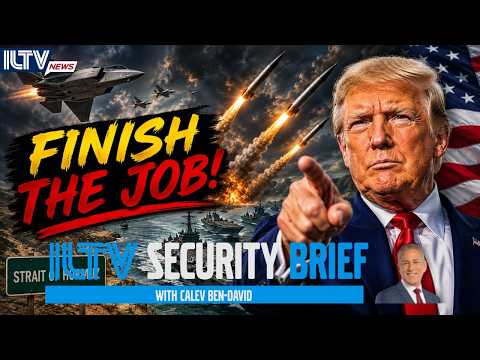
- Advocates for immediate military action to curb Irans nuclear capabilities
- Highlights the urgency of addressing Iranian threats to regional stability
- Questions the effectiveness of military solutions in achieving long-term peace
- Acknowledges the complexities of regional security dynamics
- Recognizes the need for coordinated efforts among U.S. and Israeli forces
- President Trump characterizes the U.S. ceasefire with Iran as critically unstable, reflecting a shift from initial optimism to growing pessimism about negotiations
- Iran continues to resist U.S. demands regarding its nuclear program, while U.S
- The Israel Defense Forces (IDF) have escalated military operations in Lebanon and Gaza, targeting terrorist positions and resulting in casualties among IDF personnel
- A report indicates that Hamas terrorists engaged in systemic sexual violence during the October 7 attack, using such acts as a tactic of terror
- The upcoming elections for President Trump and Israeli Prime Minister Netanyahu may impact the timing and nature of military strategies concerning Iran
details
- Discussions are underway regarding a potential military strike on Iran, with expectations of coordinated efforts between Israel and the U.S. to secure the Strait of Hormuz and diminish Iranian influence
- Prime Minister Netanyahu has highlighted the urgent need to address Irans enriched uranium, indicating that military action may be necessary despite the complexities involved
- A conditional surrender is proposed as the primary strategy for dealing with Iran, which would require the regime to dismantle its nuclear program and halt support for proxy groups
- There is potential to mobilize Iranian society against its regime, which could create pressure on China to persuade Iran to abandon its nuclear ambitions
- The involvement of the UK and France in the Gulf conflict is deemed essential, particularly due to rising energy prices and the strategic significance of the Strait of Hormuz for Israels energy corridor to Europe
- The United Arab Emirates has strengthened its ties with Israel, receiving advanced military support like Iron Dome batteries, showcasing the advantages of the Abraham Accords
- Israel and Gulf states, including Saudi Arabia, are enhancing military cooperation, with reports of Saudi airstrikes inside Iran reflecting a shift towards more proactive regional collaboration against Iranian threats
- Increased security cooperation among Gulf states is driven by mutual concerns over Iranian aggression, which may lead to more peace agreements in the region following ongoing conflicts
- The Israel Defense Forces are operating with fewer restrictions in South Lebanon, targeting militants, but a broader strategy is needed to effectively diminish Iranian influence and weaken Hezbollah
- The Lebanese army struggles to counter Hezbollah due to its leaderships support for the group, indicating a need for significant restructuring to improve its effectiveness against Iranian-backed forces
details
- The U.S. is essential in supporting Lebanons sovereignty and efforts to dismantle Hezbollah, although it does not plan direct military intervention
- Analysts express concerns about the Syrian governments potential role in stabilizing Lebanon, cautioning against the risk of jihadist elements infiltrating the country
- Hamas is actively working to rebuild its military capabilities in Gaza, presenting a long-term challenge for Israel following its focus on Hezbollah
- While the U.S. is committed to Israels security objectives, operational constraints hinder simultaneous military actions in both Lebanon and Gaza
- There is a strong strategic alignment between Israel and the U.S, though they differ tactically, especially regarding ceasefire management
- Israel and the U.S. are united in their mission to dismantle the evil axis of Iran, which encompasses groups like Hezbollah and Hamas, highlighting a shared strategic objective
- Both nations feel an urgent need to address these threats promptly, as they cannot afford delays in their military strategies
- Rising tensions raise concerns about the possibility of Israeli citizens needing to seek shelter, underscoring the importance of preparedness
- The Israeli Defense Forces (IDF) require more manpower to effectively handle multi-front warfare, prompting calls for legislative reforms to improve military service obligations
- Current political dynamics complicate military conscription, especially for ultra-orthodox youth, creating challenges in meeting security demands
details
The assumption that military action will decisively alter Iran's nuclear ambitions overlooks the potential for increased regional instability and retaliation. Inference: The expectation that a swift attack will yield favorable outcomes may ignore the complex geopolitical dynamics at play, including Iran's alliances and the potential for broader conflict. Missing variables include the response of Iranian leadership and the impact on civilian populations, which could further complicate the situation.
This analysis is an original interpretation prepared by Art Argentum based on the transcript of the source video. The original video content remains the property of the respective YouTube channel. Art Argentum is not responsible for the accuracy or intent of the original material.