Church Constitutional Reforms and Lay Participation
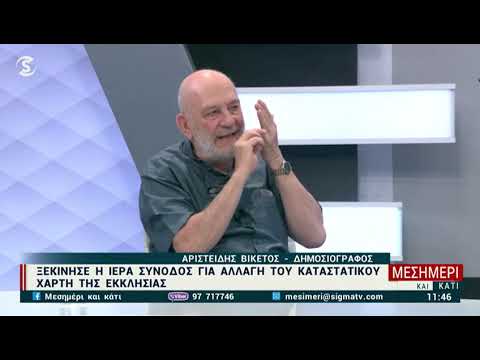
Analysis of Church constitutional reforms, based on "The Holy Synod has begun to change the constitutional charter of the Church" | Sigmalive.
OPEN SOURCEThe Holy Synod is discussing amendments to the Church's constitutional charter, originally established in 2002. Proposed changes focus on the election process for bishops and metropolitans, allowing lay participation in selecting metropolitans, marking a significant shift from traditional practices.
Concerns have been raised about the potential politicization of ecclesiastical elections, which could compromise the Church's spiritual integrity by resembling secular political processes. The discussions reflect a growing tension between traditional practices and modern expectations for inclusivity in decision-making.
The situation regarding Bishop Tychikos is contentious, with discussions about his potential reinstatement or resignation reflecting internal conflicts over church leadership. The Church of Cyprus's recognition of the Ukrainian Orthodox Church has created tensions, particularly with Russia, highlighting the geopolitical ramifications of ecclesiastical decisions.
Proposed amendments to bishop qualifications may introduce flexibility, including exceptions to the requirements for theological education and years of service. This could lead to a dilution of spiritual integrity, as the Church's decision-making may increasingly resemble secular political processes.
- Advocate for increased inclusivity in church governance
- Argue that lay participation can enhance the democratic process within the Church
- Express concerns about the potential politicization of ecclesiastical elections
- Acknowledge the historical context of the Churchs constitutional charter
- Recognize the ongoing internal conflicts regarding church leadership
- The Holy Synod is discussing amendments to the Churchs constitutional charter, originally established in 2002
- Proposed changes focus on the election process for bishops and metropolitans, allowing lay participation in selecting metropolitans
- The Synods decisions may set a precedent, as most Orthodox churches maintain a clerical-only election process
- This discussion occurs amid concerns about internal governance and the credibility of church leadership, especially following recent controversies
- Historical comparisons are drawn to the 1990s case involving the Patriarchate of Alexandria, emphasizing the uniqueness of the current discussions
- The Holy Synod is discussing amendments to the Churchs constitutional charter, which was last updated in 2002
- Proposed changes aim to reform the election process for bishops and metropolitans, allowing lay participation in selecting metropolitans, marking a significant shift from traditional practices
- The amendments may include exceptions to candidate qualifications, such as waiving the decade-long service requirement for well-known candidates endorsed by the Archbishop
- Concerns have been raised about the potential politicization of ecclesiastical elections, which could compromise the Churchs spiritual integrity by resembling secular political processes
- The discussions reflect a growing tension between traditional practices and modern expectations for inclusivity in decision-making, particularly regarding the laitys role in bishop elections
- The Holy Synod is currently revising the Churchs constitutional charter, which has not been updated since 2000, to address modern governance issues
- There is a push for increased lay participation in the election of bishops and archbishops, indicating a move towards more democratic practices within the Church
- The situation regarding Bishop Tychikos is contentious, with discussions about his potential reinstatement or resignation reflecting internal conflicts over church leadership
- The Church of Cypruss recognition of the Ukrainian Orthodox Church has created tensions, particularly with Russia, highlighting the geopolitical ramifications of ecclesiastical decisions
- Proposed amendments to bishop qualifications may introduce flexibility, including exceptions to the requirements for theological education and years of service
The proposed amendments to the Church's constitutional charter assume that lay participation will enhance governance, yet this overlooks potential conflicts between clerical authority and lay influence. Inference: If the Synod's decisions are perceived as undermining clerical authority, it could lead to significant internal strife.
This analysis is an original interpretation prepared by Art Argentum based on the transcript of the source video. The original video content remains the property of the respective YouTube channel. Art Argentum is not responsible for the accuracy or intent of the original material.