May 13, 1990: A Turning Point in Croatian History
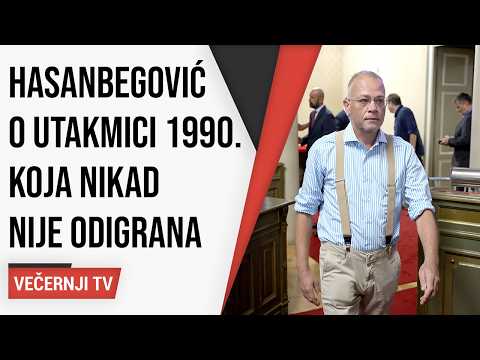
Analysis of May 13, 1990, based on "Myths and truths about 13.5.1990. - background of the clash between Boysi, Delije, and the police" | Vecernji.
OPEN SOURCEMay 13, 1990, marks a pivotal moment in Croatian history, initiating significant political changes after the first multi-party elections. The period was characterized by political instability and the emergence of various factions, including Boysi and Delije. Historian Zlatko Kasam Begović stresses the importance of distinguishing between myths and truths related to this event, noting that various interpretations can obscure the historical context.
The lead-up to this date was marked by political instability, as the old regime was being dismantled and a new government had not yet been fully established, resulting in a unique interregnum. Actions by the Yugoslav state security service underscored the tensions between rising nationalist movements and the existing communist regime. Youth subcultures, particularly football fan groups, were identified by state security as potential sources of subversion, leading to heightened surveillance and operational measures against them.
The events surrounding May 13, 1990, illustrate the rising tensions between youth subcultures and state authority in Croatia. This confrontation highlighted the complex interplay of national identity and political control during a time of upheaval. The atmosphere during significant sports events reflected rising nationalism, with fans displaying national flags and expressing political sentiments.
The narrative surrounding the events of May 13, 1990, presupposes a clear conflict between youth subcultures and the state, yet it overlooks the multifaceted motivations driving these groups. The assumption that youth movements were solely politically manipulated fails to account for the broader socio-economic factors and historical grievances that fueled their actions. Conflicts among Croatian fan groups, particularly the Boysi and Delije, are rooted in nationalistic sentiments and reflect broader societal divisions.
Recent years have seen a decline in political instrumentalization of these fan groups, indicating a departure from the party-affiliated agendas prevalent in the 1990s. Concerns exist regarding the influence of extremist ideologies on fan culture, with both leftist and rightist factions present within the community. A nuanced understanding of Croatian fan culture is essential, as it is often misrepresented or oversimplified in public discussions.
- Challenge state authority through expressions of national identity
- Demonstrate complex motivations beyond mere political manipulation
- Perceives youth movements as threats to political stability
- Employs surveillance and operational measures against fan groups
- Events reflect broader societal unrest and challenges of managing crowd control
- Historical context is essential for understanding the significance of these clashes
- May 13, 1990, is recognized as a significant date in Croatian history, marking the onset of political changes following the first multi-party elections
- Historian Zlatko Kasam Begović stresses the importance of distinguishing between myths and truths related to this event, noting that various interpretations can obscure the historical context
- The lead-up to this date was marked by political instability, as the old regime was being dismantled and a new government had not yet been fully established, resulting in a unique interregnum
- The discussion includes the involvement of factions such as the Boysi and Delije, reflecting the complexities of the social and political environment during that period
- Photographic evidence from the era is examined, providing insights into the sentiments and atmosphere of the time, which are essential for understanding the historical narrative
- May 13, 1990, is highlighted as a pivotal moment in the political transition from communist rule in Yugoslavia
- On this date, actions by the Yugoslav state security service underscored the tensions between rising nationalist movements and the existing communist regime
- Youth subcultures, particularly football fan groups, were identified by state security as potential sources of subversion, leading to heightened surveillance and operational measures against them
- These fan groups emerged as authentic urban phenomena that challenged the values of the Yugoslav communist regime, reflecting a mix of ethnic and nationalistic sentiments
- The Trenjan incidents are noted as politically driven operations aimed at directing youth energy, revealing a broader strategy by political organizations to manage and influence young people during this tumultuous period
- The late 1980s saw security services in Yugoslavia manipulating youth subcultures, particularly football fandom, for political purposes
- The Stadium Operation was a covert initiative focused on monitoring fan groups perceived as threats to state authority
- Football fans emerged as a distinct urban phenomenon, united by nationalistic sentiments that opposed the communist regime despite their ethnic diversity
- Violent clashes on May 13, 1990, are contextualized within the broader historical unrest and the disintegration of Yugoslavia, highlighting the conflict between national identity and state control
- The interactions between fan identities and security forces were complex and played a crucial role in shaping the political landscape of the time
- Arkan, a controversial figure linked to Serbian paramilitary groups, attended a football match in an official capacity, underscoring his ties to the Serbian state security
- The match atmosphere was charged with anti-communist sentiment, as various fan groups from Belgrade and beyond rallied under nationalist banners, reflecting the political tensions of the era
- Arkans leadership among fans was complicated by his background in state security, indicating a mix of organized crime and political influence within fan culture
- Fans from diverse regions, including Bosnia and Knin, arrived both in organized groups and spontaneous gatherings, showcasing a significant mobilization of nationalist sentiment across demographics
- The events surrounding Arkan and the fans at the match highlight the complex interplay of sports, nationalism, and political identity during a turbulent period in the regions history
- The block discusses significant incidents surrounding a football match during a tense period in Yugoslavia, highlighting escalating violence and political tensions in the streets
- It references a specific match between the Yugoslav national team and the Soviet Union, emblematic of the national identity crisis and the disintegration of Yugoslavia
- The narrative includes the impact of the match on national sentiment, mentioning players like Boban and Šuker, and how the event was perceived as pivotal in the countrys history
- The match symbolized the last vestiges of unity in a country on the brink of civil war, with fans displaying national flags and expressing political sentiments
- The atmosphere in the stadium reflected rising nationalism, with fans reactions underscoring the significance of the event amid the impending breakup of Yugoslavia
- The discussion centers on the events from 1976 to 1991 that led to the breakup of Yugoslavia, significantly affecting the lives of those involved
- Fan groups like the Boysi emerged as key players in expressing national identity, often through controversial displays of banners and flags that attracted police attention
- Fans organized elaborate displays for matches, including the use of pyrotechnics, which fostered a growing sense of community and identity among supporters
- Tensions during matches escalated, with increasingly aggressive police responses leading to spontaneous outbreaks of violence, reflecting broader societal unrest
- The charged atmosphere at these events created a mix of excitement and fear among fans, as incidents of violence and police intervention became more frequent, impacting attendance
- The block highlights the chaotic atmosphere during a significant sports event, emphasizing the tensions between fans and law enforcement, particularly the militia
- A critical moment is described when crowd pressure led to a security breach, resulting in injuries and a rapid escalation of conflict
- The use of pyrotechnics by fans is noted as a significant factor contributing to the overall chaos of the event
- Spontaneous gatherings and protests followed the initial incident, reflecting broader social unrest connected to the event
- The police response is discussed, indicating a lack of preparedness and the challenges of managing crowd control in volatile situations
details
- Gatherings emerged spontaneously in response to social issues, highlighting the need for certain groups to react to perceived injustices
- Early sociological research identified subcultures within these groups, which played a significant role in the socio-political landscape of the time
- Artistic expressions, including choreographies and banners, became integral to the cultural identity of these groups, reflecting their unique aesthetic and political messages
- The narrative indicates a fragmentation within these groups over time, particularly after 2000, suggesting shifts in identity and purpose
- Concerns are raised about the potential for ideological sectarianism to affect future gatherings, warning that such divisions could impede unity and collective action
- Conflicts among Croatian fan groups, particularly the Boysi and Delije, are rooted in nationalistic sentiments and reflect broader societal divisions
- Recent years have seen a decline in political instrumentalization of these fan groups, indicating a departure from the party-affiliated agendas prevalent in the 1990s
- The Boysi played a historically significant role in the rise of the Croatian Democratic Union during the 1990s, highlighting the complex interplay between sports fandom and political movements
- Concerns exist regarding the influence of extremist ideologies on fan culture, with both leftist and rightist factions present within the community
- A nuanced understanding of Croatian fan culture is essential, as it is often misrepresented or oversimplified in public discussions
The discussion surrounding May 13, 1990, assumes a clear distinction between myth and truth, yet fails to account for the subjective interpretations that can skew historical narratives. Inference: The absence of a comprehensive analysis of the socio-political dynamics at play during this interregnum limits our understanding of the event's true significance.
This analysis is an original interpretation prepared by Art Argentum based on the transcript of the source video. The original video content remains the property of the respective YouTube channel. Art Argentum is not responsible for the accuracy or intent of the original material.