Long-life Milk Price Surge Due to Drought and War
Analysis of long-life milk price increases, based on "Long-life milk rises 13% in April, says IBGE. Drought and war affect production" | G1globo.
OPEN SOURCELong-life milk prices increased by 13% in April, contributing to a total rise of 21% for the year. This surge is attributed to reduced production caused by drought and geopolitical tensions in the Middle East.
Despite rising prices, consumer purchasing behavior has remained unchanged, as the significant drop in supply has led to unavoidable price increases. Consumers continue to rely on milk as a staple product.
Increased costs for fuel, freight, and fertilizers, worsened by the ongoing conflict in the Middle East, have adversely affected milk production. These factors have created a challenging environment for dairy farmers.
A prior drought has diminished pasture quality, resulting in the need for more expensive feed for dairy cows. This situation further complicates the production process and increases costs.
The escalating milk prices are likely to impact related dairy products such as yogurt, cheese, and butter, further affecting consumer expenses. Consumers may face higher costs across a range of dairy items.
The stronger dollar has facilitated milk imports, discouraging local production, while high meat prices have prompted some dairy farmers to leave the industry. This shift could have long-term implications for the dairy market.
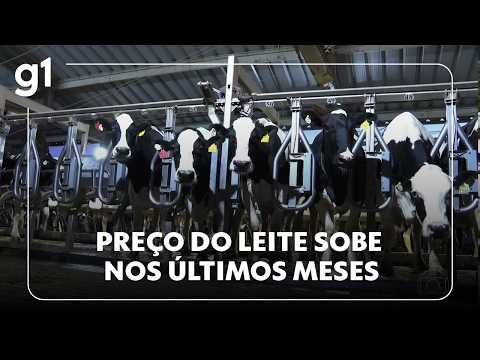
- Highlights the significant rise in long-life milk prices due to reduced production
- Notes that increased costs for feed and production are affecting dairy farmers
- Argues that consumer purchasing behavior remains unchanged despite rising prices
- Claims that the lack of viable alternatives keeps demand steady
- Acknowledges the role of geopolitical tensions in affecting production costs
- Recognizes the impact of drought on pasture quality and feed prices
- Long-life milk prices increased by 13% in April, totaling a 21% rise for the year, driven by reduced production due to drought and geopolitical issues in the Middle East
- Despite rising prices, consumer purchasing behavior has remained unchanged, as the significant drop in supply has led to unavoidable price increases
- Increased costs for fuel, freight, and fertilizers, worsened by the ongoing conflict in the Middle East, have adversely affected milk production
- A prior drought has diminished pasture quality, resulting in the need for more expensive feed for dairy cows
- The escalating milk prices are likely to impact related dairy products such as yogurt, cheese, and butter, further affecting consumer expenses
- The stronger dollar has facilitated milk imports, discouraging local production, while high meat prices have prompted some dairy farmers to leave the industry
details
details
The increase in milk prices raises questions about the underlying assumptions regarding consumer behavior and market elasticity. Inference: If consumer purchasing behavior remains unchanged despite rising prices, it suggests a lack of viable alternatives or substitutes, which could indicate a market failure. Missing variables include the potential impact of local production incentives and the role of international trade dynamics.
This analysis is an original interpretation prepared by Art Argentum based on the transcript of the source video. The original video content remains the property of the respective YouTube channel. Art Argentum is not responsible for the accuracy or intent of the original material.