Montbard and the Dukes of Burgundy
Analysis of the historical significance of Montbard and the Dukes of Burgundy, based on "Montbard: on the Road of the Dukes of Burgundy - In the Footsteps of the Téméraires" | Rtbf.
OPEN SOURCEMontbard served as a significant stop for the Dukes of Burgundy, strategically located between Dijon and Flanders. The city played a crucial role in their travels, with Philippe the Bold exemplifying the demands of 14th-century travel, often covering up to 60 kilometers daily on horseback.
Georges-Louis Leclerc de Buffon, a key figure in natural history, emphasized the horse as humanity's noblest conquest, highlighting its historical significance. His research challenged biblical accounts of the Earth's age, leading to tensions with the Church and academic circles.
Philippe the Bold's extensive travels were influenced by his marriage to Marguerite of Male, which expanded his political and geographical reach into regions like Lille and Ghent. The narrative includes pivotal events involving the Dukes of Burgundy, such as Philippe's journeys and the political intricacies surrounding Joan of Arc's capture.
The narrative highlights the fragility of life and power during this period, as Marguerite's subsequent marriage to Philippe le Hardi occurred under similar circumstances, reflecting the cyclical nature of political alliances and personal tragedies. Philippe de Rouvre's rapid decline from the plague underscores the dangers of neglecting public health warnings.
Montbard's architecture, particularly its towers, plays a crucial role in the historical narrative, serving as a backdrop for key events in the Burgundian court. The arrival of the Flemish princess represents a significant moment in the political landscape, emphasizing the importance of marriage alliances among the nobility.
The podcast connects the legacy of the Burgundian dukes to the present, illustrating their lasting influence on the region's identity. Bart Van Loo's narrative combines historical anecdotes with physical remnants, enhancing the listener's understanding of Burgundy's medieval history.
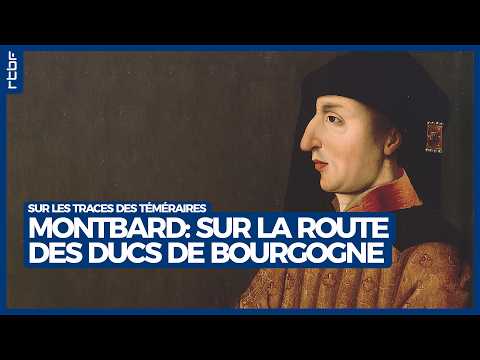
- Highlights Montbards strategic importance for the Dukes of Burgundy
- Emphasizes the role of equine resources in their military and transport needs
- Overlooks socio-economic factors influencing the Dukes power dynamics
- Fails to account for external pressures like the Hundred Years War
- Discusses the historical significance of Buffons work
- Mentions the cyclical nature of political alliances in medieval times
- Georges-Louis Leclerc de Buffon, a key figure in natural history, emphasized the horse as humanitys noblest conquest, highlighting its historical significance
- Buffons research proposed an Earth age of approximately 100,000 years, challenging biblical accounts and leading to tensions with the Church and academic circles
- The podcast explores Montbard, a crucial stop for the Dukes of Burgundy, situated strategically between Dijon and Flanders
- Buffon acquired the ruins of a castle in Montbard, transforming it into a hub for scientific exploration, representing the blend of modern science and historical authority
- The narrative includes pivotal events involving the Dukes of Burgundy, such as Philippe the Bolds journeys and the political intricacies surrounding Joan of Arcs capture
details
- Philippe the Bold exemplified the travel demands of the 14th century, often covering up to 60 kilometers daily on horseback, well above the average for his time
- Travelers faced significant physical challenges, including harsh weather, fatigue, and discomfort, underscoring the endurance required of nobility during this era
- Philippes extensive travels were influenced by his marriage to Marguerite of Male, which expanded his political and geographical reach into regions like Lille and Ghent
- Research indicates that horses of this period were smaller than modern breeds, often comparable in size to large ponies, providing a unique perspective on medieval cavalry
- The narrative draws a personal connection to the historical experience of riding, highlighting the enduring allure of equestrianism through parallels with historical figures like Philippe
details
- Philippe the Bolds use of local horses, bred with Flemish and Lombard breeds, underscores the essential role of equine resources in Burgundys military, transport, and agricultural sectors during the 14th century
- The differentiation between destriers for combat and palfreys for ceremonial occasions highlights the diverse equestrian needs of the medieval nobility
- Philippes journey to Montbard in 1370, where he awaited his wifes arrival, illustrates the regions strategic significance as a vital stop between Dijon and Flanders
- Montbards architecture, particularly its towers, plays a crucial role in the historical narrative, serving as a backdrop for key events in the Burgundian court
- The arrival of the Flemish princess represents a significant moment in the political landscape, emphasizing the importance of marriage alliances among the nobility
- Marguerite de Male was engaged to Philippe de Rouvre as a child and married him at the age of 10, but became a widow shortly after due to the plague, illustrating the harsh realities of medieval political marriages
- Philippe de Rouvre, closely associated with Montbard, died from the plague at 15, just five years after witnessing the disastrous Battle of Poitiers and a significant earthquake that impacted Burgundy
- The narrative highlights the fragility of life and power during this period, as Marguerites subsequent marriage to Philippe le Hardi occurred under similar circumstances, reflecting the cyclical nature of political alliances and personal tragedies
- Philippe de Rouvres rapid decline from the plague underscores the dangers of neglecting public health warnings, which ultimately influenced the trajectory of the Burgundian dynasty
- Margaret of Males marriage to Philippe the Bold after her first husbands death signifies a pivotal political alliance that alters the power dynamics in Burgundy
- The birth of their children, including Margaret of Burgundy, illustrates the strategic importance of noble marriages in medieval politics and the intertwining of royal lineages
- Margaret of Burgundys daughter, Jacqueline of Bavaria, emerges as a significant historical figure, underscoring the lasting impact of these unions on European history
- The narrative suggests that the formation of the Burgundian state was more a result of evolving circumstances than a premeditated political strategy
- Historical events such as the Hundred Years War and the plague significantly influenced the fates of noble families and their territories during this period
- The Montbard castles remnants, including two towers and a park designed by Buffon, reflect its historical grandeur despite its current state of decay
- A fragment of a Merovingian sarcophagus embedded in the castle walls underscores the sites historical significance
- The journey southward towards Dijon highlights the historical routes utilized by the Dukes of Burgundy, who relied heavily on horses for travel
- The podcast connects the legacy of the Burgundian dukes to the present, illustrating their lasting influence on the regions identity
- Bart Van Loos narrative combines historical anecdotes with physical remnants, enhancing the listeners understanding of Burgundys medieval history
details
The narrative assumes a direct correlation between the geographical significance of Montbard and the political maneuvers of the Dukes of Burgundy, yet it overlooks the broader socio-economic factors that influenced their power dynamics. Inference: The absence of these variables may lead to an incomplete understanding of the historical context.
This analysis is an original interpretation prepared by Art Argentum based on the transcript of the source video. The original video content remains the property of the respective YouTube channel. Art Argentum is not responsible for the accuracy or intent of the original material.