Trump's Loyal Voter Base and Approval Ratings
Analysis of Trump's loyal voter base and approval ratings, based on "Is Trump losing his most loyal voters?" | DerStandardat.
OPEN SOURCEDonald Trump maintains a loyal base of supporters despite declining approval ratings. His controversial statements and actions have not significantly diminished his popularity among core voters. The perception of unwavering support raises questions about the stability of his influence as economic conditions evolve.
Approval ratings for Trump currently range between 35% and 42%, indicating a low point for a sitting president. Despite this decline, he retains a strong base of loyal Republican supporters, suggesting a divide between his core followers and the broader electorate.
Trump's political identity has been heavily influenced by his television persona, where he presents himself as a military leader, appealing to voters seeking security. His strategy of targeting and defeating Republican opponents showcases a retribution approach against perceived disloyalty.
The upcoming elections will be a critical test of Trump's influence, as his candidates will appear on the ballot without him, creating uncertainty about how his legacy will impact their success. Historical patterns show that presidents with low approval ratings can harm their party's performance in midterm elections.
Internal divisions within the Republican Party complicate the electoral landscape, as some members prioritize allegiance to Trump over the electability of candidates. The absence of viable alternatives within the party raises questions about the sustainability of his dominance.
Concerns about Trump's age and unpredictability could threaten his Teflon status, especially if he encounters significant challenges as the elections approach. The evolving political landscape may lead to a shift in voter loyalty, particularly if economic factors worsen.
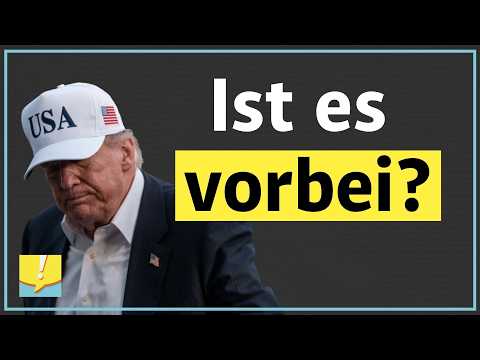
- Trump retains strong support among his Republican base, with approval ratings exceeding 80%
- His controversial behavior has not diminished loyalty among core supporters
- Approval ratings are low, ranging between 35% and 42%, indicating potential vulnerabilities
- Internal divisions within the Republican Party complicate electoral strategies
- Donald Trumps claim that he could shoot someone on Fifth Avenue without losing voters highlights his strong support from a loyal base, despite his declining popularity in polls
- He continues to receive unwavering backing from core supporters, even amid controversies that would typically harm other politicians reputations
- Instances like Trumps offensive remarks about a Gold Star family demonstrate his unique appeal to certain voter groups, particularly military families, who often overlook his missteps
- The perception of weakness among Democratic candidates is contrasted with Trumps image, suggesting it plays a role in his sustained popularity
- The discussion raises concerns about whether Trumps support can endure future challenges, especially related to international conflicts and economic pressures
- Donald Trumps political identity has been heavily influenced by his television persona, where he presents himself as a military leader, appealing to voters seeking security
- While Trump maintains strong support among veterans and active military personnel, his overall approval ratings are declining, currently between 35% and 42%, with a significant 20-point gap between approval and disapproval
- Factors such as rising inflation and the unpopularity of the Iran conflict have contributed to Trumps decreasing popularity, undermining the support he previously enjoyed
- Despite these challenges, a dedicated base of Republican voters continues to back Trump, indicating that while he may be losing some support, a drastic fall in his political standing is unlikely in the near term
- Trumps approval ratings are notably lower than those of previous second-term presidents, suggesting a potential crisis for his political future as economic conditions deteriorate
details
details
- Donald Trumps approval ratings are currently between 35% and 42%, with a disapproval rate around 57%, marking a low point for a sitting president in their second term
- Despite his declining popularity, Trump retains a strong base of loyal Republican supporters, indicating a significant divide between his core followers and the wider electorate
- The U.S. political system allows Trump to focus on his base without needing to appeal to moderate voters, complicating the dynamics for future elections
- While Trumps ability to mobilize his supporters has been key in past elections, this reliance raises concerns about the long-term health of the Republican Party, especially if they lose congressional majorities
- The upcoming elections will be a critical test of Trumps influence, as his candidates will appear on the ballot without him, creating uncertainty about how his legacy will impact their success
- Donald Trump has successfully targeted and defeated members of his own party who opposed him, showcasing a strategy of retribution against perceived disloyalty
- He has influenced redistricting efforts to secure additional seats for Republicans, gaining five extra seats in certain states
- Republican senators who voted for Trumps impeachment after the Capitol riot faced significant electoral challenges, with most losing their positions in subsequent primaries
- Bill Cassidy, a conservative senator from Louisiana who voted for impeachment, was defeated in his primary, underscoring Trumps dominance over the party
- The upcoming primaries in Kentucky will further test Trumps influence, particularly against candidates like Thomas Massie, who have resisted his policies
- Donald Trumps popularity remains robust among his core supporters, despite his low overall approval ratings, indicating a complicated dynamic between his actions and voter loyalty
- His strategy of targeting and defeating Republican opponents has proven effective, as seen in the recent primary losses of several dissenting candidates
- The upcoming primaries, especially in Kentucky, may challenge Trumps influence, but his historical successes could lessen the impact of any potential setbacks
- Historical patterns show that presidents with low approval ratings can harm their partys performance in midterm elections, raising concerns for Republicans in the upcoming cycle
- The political landscape has evolved, with Democrats now optimistic about gaining Senate seats, particularly in states where Trump has a strong presence
details
- Donald Trumps declining popularity poses challenges for the Republican Party, potentially affecting their performance in upcoming midterm elections
- Historical trends indicate that presidents with approval ratings below 40% often lead their parties to significant congressional losses, although the current political climate may lessen this risk for Republicans
- Senate races are critical, with Democrats optimistic about gaining seats in states where Trump has strong support but is also facing unpopularity
- In Texas, the Republican primary features candidates with varying appeal, raising questions about whether a moderate or far-right candidate would be more effective in securing the seat
- The Republican Party is experiencing internal tension between supporting candidates loyal to Trump and those who may have a better chance of winning in competitive districts
- Donald Trumps enduring popularity among his base complicates the efforts of Republican candidates, who may struggle to engage voters without his name on the ballot
- Despite Trumps controversial behavior, his supporters maintain a strong loyalty, reflecting a unique bond that other candidates have not been able to establish
- The Republican Party is grappling with internal divisions, as some members prioritize allegiance to Trump over the electability of candidates, potentially jeopardizing their success in future elections
- Trumps impact on critical issues like abortion is significant, with his judicial appointments reshaping the legal landscape, though his cautious stance on certain matters has left some evangelical voters dissatisfied
- The most significant threat to Trumps influence may arise from within the Republican Party itself, rather than from Democratic challengers, drawing parallels to political dynamics observed in Hungary
- Donald Trump retains strong support within the Republican base, with approval ratings exceeding 80%, despite his declining popularity among the general American public
- There is a notable absence of viable alternatives to Trump in the Republican Party, as potential challengers have either not emerged or quickly exited the race
- A potential internal threat to Trumps dominance, suggesting that a candidate from within his ranks could challenge him more effectively than external opponents
- Concerns are raised about Trumps ability to maintain his Teflon status, particularly if the upcoming midterm elections result in poor outcomes for Republicans, which could weaken his appeal
- Future Republican candidates may struggle to replicate Trumps unique charisma and connection with voters, which could hinder their chances in presidential elections
details
- Donald Trump continues to enjoy robust support among his Republican base, with approval ratings surpassing 80%, despite a decline in his overall popularity
- The chaotic nature of Trumps presidency may still influence future elections, suggesting that his hold on the Republican Party could remain strong even if his personal appeal diminishes
- The absence of a formidable Democratic challenger in the upcoming elections may enable Trump or a candidate aligned with him to dominate the Republican primaries, potentially complicating the partys prospects in the general election
- Concerns about Trumps age and unpredictability could threaten his Teflon status, especially if he encounters significant challenges as the elections approach
The assumption that Trump's support is unwavering overlooks potential confounders such as shifting voter demographics and changing political landscapes. Inference: Trump's current popularity may not translate to future electoral success if economic pressures and international conflicts intensify. The lack of a robust challenger from the Democratic side could also skew perceptions of his support, masking vulnerabilities that could be exploited in a more competitive environment.
This analysis is an original interpretation prepared by Art Argentum based on the transcript of the source video. The original video content remains the property of the respective YouTube channel. Art Argentum is not responsible for the accuracy or intent of the original material.