Intel / Middle East
Unclear topic
The ceasefire between Trump and Iran has allowed for the reopening of the Strait of Hormuz, facilitating tanker operations crucial for global oil supply. Despite this, ongoing conflicts involving Israel and Gulf states indicate that regional tensions remain high and could escalate. The reopening of the Strait of Hormuz is seen as a positive development, potentially reducing regional tensions despite ongoing conflicts. Critics express concern over the motivations of commentators who advocate for peace while seemingly desiring conflict.
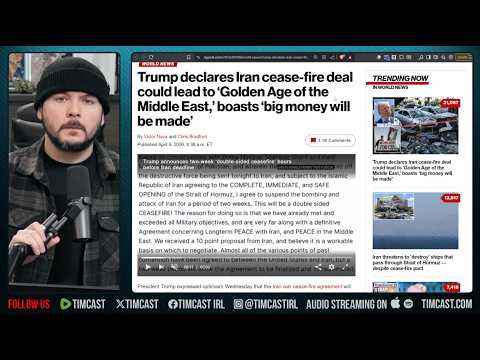
Source material: TRUMP HAS WON, The War IS OVER, Iran US Joint Venture Proposed In Strait Of Hormuz | Tim Pool
Summary
The ceasefire between Trump and Iran has allowed for the reopening of the Strait of Hormuz, facilitating tanker operations crucial for global oil supply. Despite this, ongoing conflicts involving Israel and Gulf states indicate that regional tensions remain high and could escalate. The reopening of the Strait of Hormuz is seen as a positive development, potentially reducing regional tensions despite ongoing conflicts. Critics express concern over the motivations of commentators who advocate for peace while seemingly desiring conflict.
Iran's uranium enrichment demands are expected to be rejected by Trump, which is crucial for maintaining negotiation pressure. The removal of key Iranian officials is perceived as a significant victory for Trump, potentially altering power dynamics in the region. Critics perceive Trump's avoidance of military action against Iran as cowardice, potentially undermining his support among hawkish factions. The ceasefire is viewed by some as a strategic retreat rather than a genuine resolution, raising concerns about the implications for future conflicts.
Perspectives
LLM output invalid; stored Stage4 blocks + metrics only.
Metrics
other
a lot of money, big boats moving through
financial benefits from the Strait of Hormuz operations
This indicates potential economic gains for the U.S. and Iran.
there's going to be a lot of money, big boats moving through
other
major piece on the geopolitical chess board
Trump's influence in the region
This suggests a shift in power dynamics favoring the U.S.
Donald Trump has secured a major piece on the geopolitical chess board
other
massive for the US and for the petrodollar system
financial implications of Gulf states transporting oil
This highlights the economic stakes involved in the region.
that's massive for the US and for the petrodollar system
revenue
280 million a day USD
potential revenue from tolls on tankers
This figure highlights the significant financial implications of the proposed toll system.
$2 million per tanker, they're going to make $280 million a day.
tariff
50%
tariff on countries supplying arms to Iran
This could significantly impact Iran's military capabilities.
Trump has threatened a 50% tariff on any country that supplies Iran with weapons.
government_officials_removed
40 units
key Iranian government officials removed
This could reshape the political landscape in Iran.
Trump killed everybody around 40 of their top government officials.
loss
many women in uniform units
losses in the U.S.-Iran conflict
This highlights the human cost of military engagements.
we did lose many women in uniform.
loss
a ton of ton of money on weapons USD
financial expenditure in the conflict
This indicates the economic burden of prolonged military actions.
we spent a ton of ton of money on weapons.
Key entities
Timeline highlights
00:00–05:00
The ceasefire between Trump and Iran has allowed for the reopening of the Strait of Hormuz, facilitating tanker operations crucial for global oil supply. Despite this, ongoing conflicts involving Israel and Gulf states indicate that regional tensions remain high and could escalate.
- The ceasefire between Trump and Iran has reopened the Strait of Hormuz, allowing tankers to operate freely, which is vital for global oil supply and suggests a reduction in regional tensions
- Despite the ceasefire, conflicts involving Israel and some Gulf states continue, indicating that the situation remains unstable and could escalate again
- Trumps joint venture proposal with Iran for managing transit operations in the Strait could provide financial benefits for both countries and enhance U.S. influence
- Critics from both conservative and liberal circles are challenging Trump for not opting for military action, revealing a divide among his supporters regarding his diplomatic strategy
- Ongoing perceptions of Trump as weak or indecisive may hinder his effectiveness in future negotiations, making it crucial to maintain a balanced and respectful dialogue
- The speaker stresses the need for principled engagement in discussions surrounding U.S. foreign policy
05:00–10:00
The reopening of the Strait of Hormuz is seen as a positive development, potentially reducing regional tensions despite ongoing conflicts. Critics express concern over the motivations of commentators who advocate for peace while seemingly desiring conflict.
- Critics across the political spectrum are accused of desiring conflict while publicly advocating for peace, revealing a disconnect with public sentiment. This raises concerns about the motivations of some commentators
- The U.S.-Iran joint venture for tolling energy transport in the Strait of Hormuz could provide substantial financial gains for both nations
- The reopening of the Strait of Hormuz is viewed positively, suggesting a potential reduction in regional tensions despite ongoing conflicts
- Trump faces polarized criticism, with some labeling him cowardly for avoiding military action, which overlooks the strategic benefits of diplomacy
- The need for a peaceful resolution is emphasized as essential for long-term stability, with a cooperative approach potentially preventing further escalation
- Irans ability to impose significant fees for tanker passage raises doubts about the feasibility of the proposed toll system, as indicated by Omans rejection of Irans demands
10:00–15:00
Iran's uranium enrichment demands are expected to be rejected by Trump, which is crucial for maintaining negotiation pressure. The removal of key Iranian officials is perceived as a significant victory for Trump, potentially altering power dynamics in the region.
- Irans demand for uranium enrichment is likely to be rejected by Trump, which is essential for maintaining pressure during negotiations
- The removal of key Iranian officials is viewed as a significant win for Trump, potentially shifting power dynamics in favor of the U.S
- Negotiations are being framed as a chance for peace, focusing on normalizing trade and ending hostilities, which could transform U.S.-Iran relations
- Concerns persist regarding Irans ability to earn revenue from transit fees, which may weaken the impact of sanctions
- Trumps administration is threatening tariffs on nations supplying arms to Iran, aiming to further isolate the regime and diminish its military strength
- A proposed U.S.-Iran joint venture in the Strait of Hormuz could change control over a vital shipping route, potentially stabilizing the region and providing economic benefits
15:00–20:00
Critics perceive Trump's avoidance of military action against Iran as cowardice, potentially undermining his support among hawkish factions. The ceasefire is viewed by some as a strategic retreat rather than a genuine resolution, raising concerns about the implications for future conflicts.
- Critics argue that Trump is avoiding military action against Iran, labeling him a coward for not escalating the conflict. This perception could undermine his support among those who favor a more aggressive stance
- Some commentators suggest that the ceasefire may have been orchestrated by the White House to provide Trump with a way to back down from war. If true, this could indicate a strategic retreat rather than a genuine resolution to the conflict
- There is a belief that any end to hostilities, even if perceived as a defeat for Trump, is preferable to ongoing war. This perspective emphasizes the importance of peace over the desire for total victory
- The ongoing conflict has raised fears of a larger war, with many advocating for a cessation of hostilities to prevent further escalation. The potential for World War III remains a significant concern for global stability
- Supporters of the ceasefire argue that it is a positive step, regardless of the circumstances surrounding it. This sentiment reflects a broader desire for peace and a reduction in military engagements
- The narrative surrounding Trumps decisions is complicated by the contrasting views of his supporters and detractors. Understanding these dynamics is crucial for assessing the political landscape and future negotiations
20:00–25:00
The U.S.-Iran conflict has resulted in significant losses for both nations, challenging the notion of victory. The speaker emphasizes the importance of diplomacy over military action, advocating for a collective effort to celebrate any resolution to conflict.
- The U.S.-Iran conflict has caused substantial losses for both nations, challenging the narrative of victory
- The speaker advocates for prioritizing diplomacy over military action, likening it to a dojo master who teaches that avoiding conflict is a true win
- Trumps choice to cease military operations against Iran is portrayed as a brave decision that could reshape public opinion
- Critics contend that Trumps hesitance to escalate tensions may stem from public pressure, potentially leading to a cycle of increased aggression
- The speaker cautions that branding Trump as weak could push him toward a more confrontational approach, highlighting the need for constructive political dialogue
- The call for peace is framed as a shared duty, with the speaker urging collective efforts to celebrate any resolution to conflict
25:00–30:00
The speaker expresses frustration with the political climate and emphasizes the need for honest dialogue in political discussions. There is a commitment to ongoing commentary and analysis to engage the audience on important topics.
- The speaker expresses frustration with the political climate and public reactions to Trumps actions, reflecting a broader dissatisfaction with leadership perceptions. This highlights the need for a more nuanced understanding of political decisions
- There is a call for direct confrontation with critics, emphasizing the importance of honest dialogue in political discussions. This suggests that many judgments are made without grasping the complexities of the issues
- The speaker commits to ongoing commentary and analysis, indicating a dedication to engaging with the audience on important topics. This effort aims to keep critical conversations active
- The reference to social media platforms like Instagram underscores their role in shaping public opinion and political narratives. This highlights the significance of digital engagement in contemporary communication
- The speakers tone conveys both resignation and determination, showing a commitment to discussing challenging topics despite fatigue with the current situation. This reflects the difficulties of maintaining engagement in a polarized environment
- The segment emphasizes the urgency for more meaningful discussions about leadership and accountability. This is essential for fostering a well-informed and engaged citizenry