Intel / Middle East
Real-time monitoring of security incidents, escalation signals and threat indicators across global hotspots, focusing on rapid alerts and emerging risk developments. Topic: Middle-East. Updated briefs and structured summaries from curated sources.
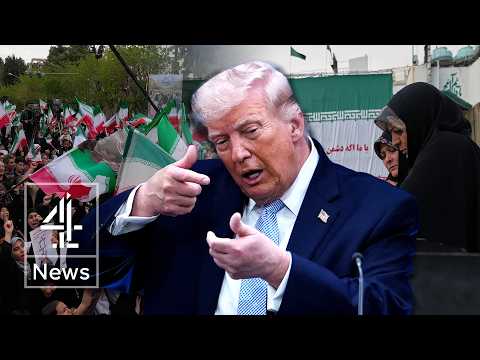
Trump says ‘a whole civilisation will die tonight’ as Iran deadline looms
Summary
The U.S. and Israel have intensified military actions against Iran, targeting critical infrastructure such as oil hubs and rail networks. President Trump's rhetoric has escalated to threats of genocide, raising significant humanitarian concerns. The situation has led to fears of widespread civilian suffering and potential retaliation from Iran.
Iran has responded with missile strikes and threats to target civilian infrastructure in the Gulf States, indicating a potential for broader conflict. Israeli military actions are framed as necessary to weaken the Iranian regime, but they risk further destabilizing the region and increasing civilian casualties.
Trump's threats have sparked debates about their effectiveness, with some arguing that they may inadvertently strengthen Iranian nationalism and resolve. The rhetoric used by Trump has been criticized for potentially uniting Iranians against perceived external threats, complicating U.S. objectives.
Legal concerns arise from the targeting of civilian infrastructure, which could constitute war crimes. The potential for a humanitarian crisis looms, with millions at risk of becoming refugees due to escalating violence and economic instability.
Perspectives
Analysis of escalating U.S.-Iran tensions and military actions.
U.S. and Israel
- Intensify military actions against Iran to weaken its regime
- Target critical infrastructure to disrupt military logistics
- Issue severe threats to compel Iran to comply with demands
- Frame military actions as necessary for regional security
Iran
- Respond with missile strikes and threats against regional infrastructure
- Mobilize public sentiment against U.S. threats to unify the nation
- Claim that U.S. actions violate international law and threaten civilian lives
- Warn of severe retaliation if civilian infrastructure is targeted
Neutral / Shared
- Highlight the potential for increased civilian casualties due to military actions
- Acknowledge the complex interplay of regional dynamics affecting the conflict
- Recognize the role of international law in assessing military actions
Metrics
targets
more than 50 military targets units
military operations against Iran
This indicates a significant escalation in military engagement.
the U.S. saying it struck more than 50 military targets there
civilian casualties
a whole civilization will die tonight
rhetoric surrounding the conflict
This highlights the severe humanitarian implications of the military actions.
A whole civilization will die tonight, he posted
injuries
two people
injuries from Hezbollah rocket fire
This highlights the immediate human cost of escalating military actions.
Hezbollah fired rockets into northern Israel from Lebanon, injuring two people.
collateral_damage
partial destruction of a synagogue
damage caused by Israeli military actions
This raises significant humanitarian concerns regarding civilian safety.
the partial destruction of a Jewish synagogue inside Tehran
public_opinion
two thirds of Americans want this over %
public sentiment regarding the conflict
Shifting public opinion could influence political decisions and strategies.
two thirds of Americans want this over, even if the goals are not all complete.
civilian_impact
more harm has been inflicted on the Iranian people than was the case a few weeks ago
impact of military actions on civilians
This indicates a worsening humanitarian situation in Iran.
already more harm has been inflicted on the Iranian people than was the case a few weeks ago
oil_price
$250 USD
potential future oil prices due to conflict escalation
A spike in oil prices could trigger a global economic meltdown.
this is when we would start talking about oil prices going above $250 a barrel.
refugees
millions people
potential number of refugees due to conflict
A large influx of refugees could overwhelm host countries and create humanitarian crises.
millions of people will become refugees and internally displaced in that part of the world.
Key entities
Timeline highlights
00:00–05:00
The U.S. and Israel have intensified military actions against Iran, targeting critical infrastructure and raising humanitarian concerns.
- The U.S. and Israel have escalated military operations against Iran, targeting vital infrastructure such as oil facilities and railways, raising humanitarian concerns
- Trumps rhetoric about potential mass destruction suggests a risk of genocide, emphasizing the seriousness of the current crisis
- Iran is urging civilians to act as human shields around critical sites, indicating a readiness to escalate the conflict and complicate peace efforts
- A woman in Tehran voiced her despair over the violence, reflecting widespread fear among Iranians and the psychological impact of the conflict
- Netanyahu advocates for ongoing military action against Iran, believing that a ceasefire could enable Iran to withstand sanctions
- The U.S. Vice Presidents visit to Hungary appears to be a strategic move to strengthen support for the administration during the crisis
05:00–10:00
Iranian missile strikes and Hezbollah rocket launches are escalating tensions in the region, indicating a potential for broader conflict. Israel's military actions, including targeting Iranian infrastructure, raise humanitarian concerns and reflect a precarious diplomatic situation.
- Iranian missile strikes on central Israel and Hezbollah rocket launches from Lebanon are escalating tensions as a critical deadline approaches, raising fears of broader conflict
- Israel is targeting Iranian rail infrastructure to disrupt military logistics, indicating preparations for a potential wider conflict if diplomacy fails
- Collateral damage from Israeli military actions includes the partial destruction of a synagogue in Tehran while pursuing a senior Iranian commander, raising concerns about civilian casualties and possible Iranian retaliation
- U.S. officials report some progress in negotiations with Iran, though the outcomes have not met their expectations
- Tensions in Washington are high as Donald Trumps unpredictable decisions and inflammatory rhetoric about Iran create anxiety among officials and critics alike
- Public opinion is shifting, with many Americans now favoring an end to the conflict, which could impact Trumps strategy as the deadline looms
10:00–15:00
Donald Trump has issued a threat to Iran regarding the reopening of the Strait of Hormuz, raising concerns about potential civilian casualties. Israeli military actions targeting Iranian infrastructure aim to disrupt military logistics but risk further destabilizing the region.
- Donald Trump is threatening severe consequences for Iran if they do not reopen the Strait of Hormuz by midnight GMT. This ultimatum raises concerns about potential civilian casualties and escalates tensions in the region
- The Israeli military is actively targeting Iranian infrastructure, including railways and bridges, to disrupt military logistics. This strategy aims to prevent Iran from using these routes for military operations, but it risks further destabilizing the area
- Experts warn that Trumps aggressive rhetoric could backfire by uniting Iranian nationalism against the U.S. Instead of weakening the Iranian regime, his threats may strengthen its support among the populace
- The ongoing conflict has already inflicted significant harm on ordinary Iranians, contradicting Trumps earlier promises to help them. This shift in narrative could undermine U.S
- The situation is described as a critical inflection point, with Trumps unpredictability making it difficult to gauge his next moves. This uncertainty heightens the risk of miscalculations that could lead to broader conflict
- Analysts suggest that Trumps threats may inadvertently bolster the Iranian regimes propaganda, framing U.S. actions as hostility towards the Iranian people rather than the government
15:00–20:00
The U.S. military's targeting of civilian infrastructure raises significant legal concerns, potentially constituting war crimes.
- Targeting civilian infrastructure by the U.S. raises significant legal issues, potentially amounting to war crimes
- Irans threats to retaliate against Gulf States energy infrastructure could lead to severe economic instability and soaring oil prices
- Escalating tensions may result in millions of refugees and increased radicalization, posing long-term risks to global security
- Experts warn that Iran might strike Western interests in retaliation, potentially extending conflict beyond the Middle East and creating a refugee crisis in Europe
- Trumps administration faces scrutiny as its rhetoric may hinder U.S. objectives in the region
- Concerns arise regarding the intelligence communitys role in Trumps decision-making, suggesting his communication style is largely self-driven
20:00–25:00
President Trump has escalated threats against Iran, warning of severe consequences if the Strait of Hormuz is not reopened. The situation is further complicated by military strikes on Iranian infrastructure and the potential for broader regional conflict.
- President Trump has intensified threats against Iran, warning of catastrophic consequences if the Strait of Hormuz is not reopened by midnight GMT, raising alarms about potential military escalation and humanitarian crises
- Significant military strikes have already targeted Iranian infrastructure, indicating a serious commitment to Trumps threats, which could lead to wider regional conflict and worsen the humanitarian situation in Iran
- Irans Revolutionary Guards have warned of disrupting oil and gas supplies to neighboring countries, a move that could destabilize global energy markets and regional security
- The urgency of Trumps deadline complicates ongoing peace negotiations, increasing the risk of miscalculations that could escalate tensions further
- China is closely observing the situation due to its strong ties with Iran and reliance on oil access, and its influence may be critical in pursuing a resolution amid uncertain timelines for peace
- Trumps rhetoric parallels that of the Iranian regime, potentially reinforcing their narrative against the U.S. and complicating American diplomatic efforts