Intel / Middle East
Real-time monitoring of security incidents, escalation signals and threat indicators across global hotspots, focusing on rapid alerts and emerging risk developments. Topic: Middle-East. Updated briefs and structured summaries from curated sources.
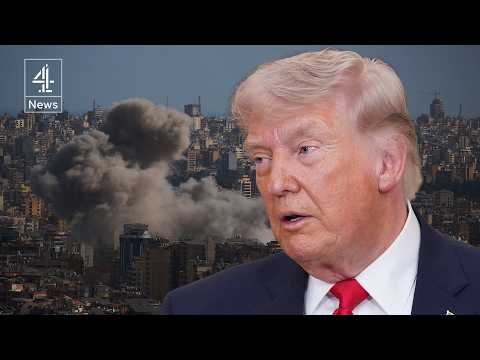
Iran accuses Trump of ‘madness and ignorance’ and calls for a permanent peace
Summary
Donald Trump emphasized a recent rescue of U.S. airmen to sway public opinion on the Iran conflict while expressing contradictory intentions regarding Iranian oil. His statements reflect a muddled strategy, oscillating between threats and calls for regime change, which may confuse both domestic and international audiences.
The Iranian public is facing severe humanitarian challenges as hospitals prepare for shortages amid escalating U.S. threats. Reports indicate that civilian infrastructure, including schools and hospitals, has been targeted, raising concerns about war crimes and the impact on public sentiment towards the regime.
Public dissatisfaction with the Iranian regime exists, yet its defense of national integrity during foreign aggression complicates opposition narratives. The bombing of civilian areas may inadvertently strengthen the regime's position by uniting citizens against perceived external threats.
U.S. debt is currently above 4 percent, contributing to rising costs amid historic deficits. Market sentiment appears to be influenced by presidential rhetoric, but fundamental economic indicators are deteriorating, raising concerns about potential market instability.
Perspectives
short
U.S. Government Perspective
- Emphasizes the importance of military action against Iran
- Claims that Irans nuclear capabilities have been diminished
- Threatens severe consequences if Iran does not comply with demands
- Describes the situation as a necessary response to a nuclear threat
- Portrays military actions as justified to protect U.S. interests
Iranian Perspective
- Describes U.S. actions as war crimes targeting civilians
- Highlights the humanitarian crisis resulting from U.S. military actions
- Rejects the notion that Iranians support the bombing
- Critiques the U.S. for creating instability in the region
- Argues that external threats unite the Iranian public against foreign intervention
Neutral / Shared
- Notes the volatility of market sentiment in response to presidential statements
- Acknowledges the complexities of the geopolitical situation in the region
- Recognizes the impact of military actions on civilian infrastructure
Metrics
deadline
48 hours
Trump's ultimatum to Iran to reopen the strait
This deadline reflects the urgency and pressure in U.S.-Iran relations.
On March 21st, he gave Iran 48 hours to reopen the strait, or said he'd obliterate their power plants.
military_action
largest volume of strikes since day one
Trump's directive for military operations against Iran
Indicates an escalation in military engagement.
Per the president's direction today will be the largest volume of strikes since day one of this operation.
threat
the entire country can be taken out in one night
Trump's warning to Iran
Highlights the severity of U.S. military threats.
The entire country can be taken out in one night, and that night might be tomorrow night.
other
30 universities units
number of universities hit by attacks
This indicates significant damage to educational institutions, raising concerns about war crimes.
they have hit 30 universities.
other
66 percent %
percentage of the Iranian diaspora in America against the war
This reflects a significant shift in public opinion among Iranians abroad.
66 percent of them in America are now against this war.
casualties
7,000 killed people
reported casualties in Iran
This figure highlights the significant human cost of the conflict.
we have an evidence of 7,000 killed, which is significant and it's huge.
infrastructure_damage
over 600 schools have been hit schools
damage to educational facilities
Targeting schools raises serious concerns about the impact on children's education.
bombing universities, bombing hospitals, bombing schools, over 600 schools have been hit.
displacement
3 million people
number of displaced individuals
This displacement indicates a severe humanitarian crisis.
over 3 million people.
Key entities
Timeline highlights
00:00–05:00
Donald Trump emphasized a recent rescue of U.S. airmen to sway public opinion on the Iran conflict while expressing contradictory intentions regarding Iranian oil.
- Donald Trump highlighted a recent rescue of U.S. airmen to influence public opinion regarding the conflict with Iran
- Trumps comments reveal a conflicting approach to the conflict, as he acknowledges the nuclear threat while also expressing intentions to exploit Iranian oil. This inconsistency raises doubts about the administrations real goals in the region
- The president indicated that Iran could face serious repercussions for failing to meet U.S. demands, hinting at a possible increase in military action
- Irans leaders have dismissed U.S. ceasefire proposals, referencing previous negative experiences in negotiations
- Trumps warnings about swift military action against Iran, including the possibility of the country being taken out in one night, reflect a readiness for aggressive tactics. Such statements contribute to rising tensions in the area
- The presidents fluctuating deadlines for Iran to comply with U.S. demands indicate a disorganized foreign policy approach
05:00–10:00
The Iranian public is facing severe humanitarian challenges as hospitals prepare for shortages amid escalating U.S. threats.
- The Iranian public is preparing for severe consequences as hospitals brace for potential shortages due to escalating U.S. threats, highlighting the humanitarian crisis stemming from the conflict
- Claims about the closure of the Strait of Hormuz are misleading, as many nations continue to navigate it, suggesting that the narrative around the war may be exaggerated
- The bombing of civilian infrastructure, such as schools and hospitals, raises significant concerns about potential war crimes and the ethical implications of U.S. military tactics
- Experts question the effectiveness of targeting civilian infrastructure to achieve strategic goals, arguing it may not diminish threats from Iran and could strengthen its resolve
- As the war continues, public sentiment in Iran may be shifting against the U.S. and Israel, potentially uniting citizens in opposition to foreign intervention
- The unpredictability of Trumps military deadlines and actions fosters uncertainty, complicating the assessment of U.S. strategy in the region
10:00–15:00
The Iranian population is facing severe challenges due to ongoing bombardment, complicating their loyalties amid the conflict. Public dissatisfaction with the Iranian regime exists, yet its defense of national integrity during foreign aggression complicates opposition narratives.
- The Iranian population is enduring intense bombardment, making it difficult for them to navigate their loyalties amid the conflict between two nuclear powers and their own government, which presents a complex moral dilemma for civilians
- Public discontent with the Iranian regime is significant, particularly regarding its treatment of citizens, yet the regimes defense of national integrity during foreign aggression complicates opposition narratives
- Disputed claims of high casualty figures in Iran suggest a lower death toll, raising concerns about the reliability of reports and the necessity for independent investigations
- The bombing of civilian infrastructure, such as schools and hospitals, is viewed as a breach of human rights and international law, likely fueling public anger towards foreign intervention
- The Iranian government may exploit foreign support for protests to justify its actions against dissent, potentially reinforcing its position by portraying external backing as a threat to national sovereignty
- Market volatility reflects the erratic nature of U.S. foreign policy under President Trump
15:00–20:00
U.S. debt is currently above 4 percent, contributing to rising costs amid historic deficits.
- U.S. debt is over 4 percent, which is increasing costs amid unprecedented deficits
- Iran has declined a short-term ceasefire to reopen the Strait of Hormuz, raising concerns about market stability
- The U.S. presidents remarks significantly sway market sentiment, despite weak economic fundamentals
- The Strait of Hormuz is vital for oil transport, and recent reports show a decline in tanker traffic due to new tolls imposed by Iran
- Oil analysts are closely watching tanker movements following Israeli strikes on Iranian sites, revealing discrepancies between political statements and actual conditions
- A prolonged closure of the Strait of Hormuz could lead to severe oil shortages and rising prices, highlighting the vulnerability of global oil supply chains