Intel / Middle East
Ceasefire in Lebanon
The Israeli offensive in southern Lebanon has resulted in significant casualties, with reports indicating 43 deaths and 140 injuries. The humanitarian crisis is exacerbated by over 2,000 deaths and more than a million displaced individuals since the conflict escalated.
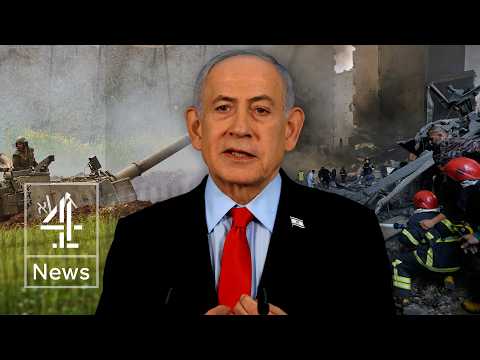
Source material: Ceasefire in Lebanon could imminently be agreed by Israel - but would it hold?
Summary
The Israeli offensive in southern Lebanon has resulted in significant casualties, with reports indicating 43 deaths and 140 injuries. The humanitarian crisis is exacerbated by over 2,000 deaths and more than a million displaced individuals since the conflict escalated.
Local skepticism regarding the durability of any potential ceasefire is prevalent, especially given past violations by Israel. The ongoing violence has left deep scars on the Lebanese population, with civilians suffering the brunt of military actions.
Hezbollah's position has reportedly strengthened amidst the conflict, complicating ceasefire negotiations. The group is unlikely to accept disarmament demands, as it views resistance as a legitimate response to occupation.
Israeli Prime Minister Netanyahu faces pressure to consider a ceasefire while simultaneously committing to intensifying military operations against Hezbollah. Local sentiments reflect skepticism about the effectiveness of these military actions and ongoing fears for safety in border areas.
Perspectives
short
Israel
- Claims to target Hezbollah operatives while asserting compliance with international law
- Demands the disarming of Hezbollah to ensure security for Israeli citizens
- Maintains that military operations are necessary to eliminate threats from Hezbollah
Hezbollah
- Argues that resistance to occupation is a legitimate right and duty
- Rejects disarmament demands, asserting strength in the face of Israeli aggression
- Highlights the social fragmentation and fear among the Lebanese population due to ongoing conflict
Neutral / Shared
- Reports indicate significant civilian casualties and displacement due to the conflict
- Local media speculate on the possibility of a temporary ceasefire announcement
Metrics
deaths
43 people
deaths from the Israeli offensive in southern Lebanon
This number reflects the immediate human cost of the conflict.
the Israeli offensive has continued in the South leaving 43 people dead
injuries
140 people
injuries from the Israeli offensive in southern Lebanon
140 injured, according to the Lebanese Ministry of Health
deaths
over 2,000 people
total deaths since the conflict began
over 2,000 people have been killed since this round of conflict began
displaced
more than a million people
displacement due to the conflict
over a million people displaced
air_strike_deaths
over 300 people
deaths from Israeli air strikes in a short period
Israeli air strikes in Lebanon killed over 300 people in 10 minutes
population
30,000 people
original population of Kiriak Shimon
A significant decline in population indicates a loss of confidence in safety.
a town that used to be 30,000 is now just around 10,000
population
10,000 people
current population of Kiriak Shimon
The drastic reduction in residents reflects ongoing fears and instability.
now just around 10,000
military_strength
200,000 fighters
estimated number of Hezbollah fighters
This number underscores the scale of the threat Hezbollah poses to Israeli security.
eliminating 200,000 terrorists
Key entities
Timeline highlights
00:00–05:00
The Israeli offensive in southern Lebanon has resulted in 43 deaths and 140 injuries, exacerbating the humanitarian crisis. Over 2,000 deaths and more than a million displaced people highlight the urgent need for a resolution to the ongoing conflict.
- The Israeli offensive in southern Lebanon has caused 43 deaths and 140 injuries, highlighting the severe humanitarian crisis in the region
- Israel plans to create a security zone extending 8 kilometers into Lebanon, raising concerns about ongoing violence and instability
- Local media indicate a potential temporary ceasefire, but skepticism persists due to past violations that undermine trust in such agreements
- The conflict has resulted in over 2,000 deaths and displaced more than a million people, emphasizing the urgent need for a resolution
- Hezbollah claims its strength has grown in response to Israeli actions, complicating disarmament and peace efforts in the area
- The Israeli militarys actions are viewed as a de facto occupation, threatening Lebanese sovereignty and increasing the risk of sectarian conflict
05:00–10:00
The ongoing conflict in Lebanon is causing significant social fragmentation and fears of renewed sectarian violence. Hezbollah's strengthened position complicates ceasefire negotiations, as the group is unlikely to accept disarmament demands.
- The ongoing conflict is eroding Lebanons social cohesion, raising fears of renewed sectarian violence that could destabilize the nation
- The death of poet Khatun Salma, due to Israeli strikes, highlights the cultural and emotional devastation experienced by many Lebanese
- Despite suffering significant losses, Hezbollahs position has strengthened, making disarmament unlikely as they view resistance as essential
- Israels military strategy to create a buffer zone in southern Lebanon faces strong opposition, which may lead to a reassessment of ceasefire negotiations
- Hezbollahs increased resilience complicates the chances for a lasting ceasefire, as the group is expected to reject disarmament demands
- The influence of external powers, particularly Iran, is shaping the discussions around a potential ceasefire
10:00–15:00
Israel's security cabinet is under pressure to consider a ceasefire while Prime Minister Netanyahu is committed to intensifying military operations against Hezbollah. Local sentiments reflect skepticism about the effectiveness of these military actions and ongoing fears for safety in border areas.
- Israels security cabinet faces pressure from the Trump administration to consider a ceasefire, while Prime Minister Netanyahu is urged to continue military actions against Hezbollah, revealing conflicting priorities for northern Israels security
- Despite indications of a potential week-long ceasefire from Hezbollah sources, Netanyahus commitment to intensifying military operations suggests a strategy aimed at establishing a security zone, perceived by many as an invasion
- Residents near the border express doubts about Netanyahus claims of defeating Hezbollah, highlighting ongoing fears and the necessity for bomb shelters, which reflects a significant population decline in areas like Kiriak Shimon
- Local businesses are adjusting to the conflict, with some residents returning despite risks, indicating a complex situation where individuals seek normalcy amid ongoing danger
- Public opinion polls show mixed feelings about the war, with some support for military actions but skepticism regarding their effectiveness against Hezbollah, suggesting doubts about the governments ability to ensure security
- A local business owner argues that Hezbollah remains a constant threat, warning that any halt in military actions could allow the group to regroup, underscoring the challenges of achieving lasting peace
15:00–20:00
The ongoing conflict in Lebanon continues to pose significant threats to residents, as evidenced by the persistent air raid sirens in Kiryat Shmona. Discussions of a potential ceasefire are overshadowed by skepticism regarding the effectiveness of military strategies against Hezbollah.
- The situation remains tense as air raid sirens continue to sound in Kiryat Shmona, indicating ongoing threats from Hezbollah. This highlights the persistent danger faced by residents despite discussions of a potential ceasefire
- There is skepticism regarding Prime Minister Netanyahus ability to effectively deal with Hezbollah, as he is seen as a champion but the challenges of guerrilla warfare are significant. This raises doubts about the effectiveness of current military strategies
- The empty playgrounds in Kiryat Shmona symbolize the impact of the conflict on daily life, with families feeling unsafe to engage in normal activities. This reflects the broader psychological toll the ongoing violence has on the community
- The commitment of Israeli soldiers is evident, but the complexities of the conflict suggest that a straightforward resolution is unlikely. This underscores the need for a more nuanced approach to dealing with Hezbollah
- The prospect of a ceasefire is being discussed, yet the reality on the ground remains fraught with uncertainty. This situation complicates any potential diplomatic efforts and adds to doubts about the sustainability of peace
- Residents express a mix of hope and skepticism regarding Netanyahus promises to eliminate Hezbollah. This ambivalence indicates a lack of confidence in the governments ability to achieve lasting security