Intel / Middle East
Iran Crisis in the Strait of Hormuz
The U.S. blockade in the Strait of Hormuz aims to restrict Iran's oil exports while ensuring shipping safety. Prior to the blockade, oil carriers avoided the Strait due to safety concerns, allowing Iran to profit from limited shipping traffic. The blockade's strategy involves monitoring and interdicting ships attempting to enter or leave Iranian ports.
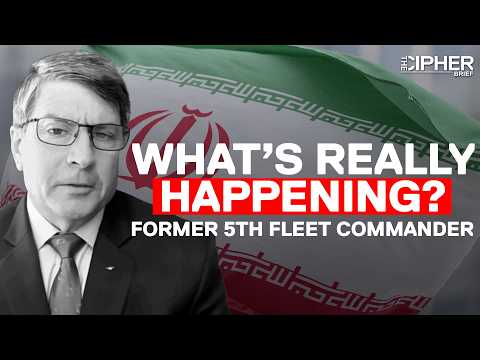
Source material: Former 5th Fleet Commander Explains the Iran Crisis in the Strait of Hormuz
Summary
The U.S. blockade in the Strait of Hormuz aims to restrict Iran's oil exports while ensuring shipping safety. Prior to the blockade, oil carriers avoided the Strait due to safety concerns, allowing Iran to profit from limited shipping traffic. The blockade's strategy involves monitoring and interdicting ships attempting to enter or leave Iranian ports.
Iran's threats to shipping routes are viewed as limited in capability, with the U.S. assessing that Iran lacks the means to execute such threats effectively. The situation remains tense, with both sides engaging in negotiations while maintaining a fragile ceasefire. Observations indicate that both parties are cautious not to escalate tensions further.
The U.S. has adapted its mine-sweeping capabilities, utilizing autonomous vessels to identify and neutralize potential threats in the Strait. This shift reflects a strategic approach to ensure safe passage through contested waters. Despite the presence of mines, shipping traffic has continued to flow, suggesting effective management of the situation.
Negotiations between the U.S. and Iran involve large teams of experts, indicating a serious commitment to resolving key issues, including Iran's nuclear program. The complexity of these discussions highlights the challenges both sides face in reaching a comprehensive agreement. Key indicators to watch include the extension of the ceasefire and any direct violations.
Perspectives
short
U.S. Position
- Implements a blockade to restrict Iranian oil exports
- Monitors shipping traffic to prevent Iranian profits
- Utilizes autonomous vessels for mine-sweeping operations
- Maintains a fragile ceasefire while engaging in negotiations
- Focuses on key issues like Irans nuclear program
Iranian Position
- Threatens to block shipping routes in response to U.S. actions
- Claims to have mined the Strait, creating uncertainty for shipping
- Engages in limited military actions without escalating to full conflict
- Seeks to negotiate terms regarding nuclear capabilities and regional control
Neutral / Shared
- Both sides are cautious to avoid escalating tensions
- Negotiations involve large teams of experts from both sides
Metrics
other
several hundred units
U.S. personnel involved in negotiations
Indicates significant U.S. investment in diplomatic efforts.
the US put several hundred of folks associated with
other
70 plus folks people
size of the Iranian negotiating team
A large team indicates serious commitment to negotiations.
something like 70 plus folks there
other
several hundred people
total number of negotiators involved
The involvement of many experts suggests a thorough negotiation process.
there are several hundred people
Key entities
Timeline highlights
00:00–05:00
The U.S. blockade in the Strait of Hormuz aims to restrict Iran's oil exports while ensuring shipping safety.
- The U.S. blockade in the Strait of Hormuz seeks to limit Irans oil export revenues while enhancing shipping safety
- Prior to the blockade, shipping was restricted due to safety issues and potential Iranian tolls, resulting in minimal vessel movement that favored Irans economy. This situation highlighted the vulnerabilities in regional trade
- Iran has asserted that it has mined the Strait, but its capacity to enforce this threat is uncertain. The U.S
- Irans threats to disrupt shipping lanes may not reflect their actual capabilities. Their dependence on proxy forces like the Houthis complicates their ability to act without incurring significant backlash
- The current geopolitical environment allows for some flexibility, as neither the U.S. nor Iran has escalated to direct military confrontation recently
05:00–10:00
The U.S. and Iran are maintaining a fragile ceasefire, with both sides engaging in complex negotiations.
- The U.S. and Iran are currently in a delicate ceasefire, avoiding direct hostilities
- Negotiations between the U.S. and Iran are intricate, with both sides articulating their positions without anticipating quick resolutions
- The U.S. blockade is altering shipping routes in the region, making Irans response a critical factor to monitor
- Irans threats to obstruct shipping lanes are largely viewed as bluster due to their limited military capabilities. This indicates that while tensions are elevated, actual military engagement may be less probable than suggested
- The U.S. has enhanced its mine-sweeping operations by utilizing autonomous vessels, improving its effectiveness in the Strait of Hormuz
- Future developments in U.S.-Iran relations will hinge on the potential extension of the ceasefire and the rhetoric from both parties. Keeping an eye on these factors will be crucial for understanding the evolving situation
10:00–15:00
The U.S. and Iran are engaged in complex negotiations involving large teams, indicating a serious commitment to reach an agreement.
- The U.S. and Iran have large negotiating teams, reflecting a serious commitment to reach an agreement
- The potential extension of the ceasefire is crucial for assessing negotiation progress. A breach by either side could indicate a shift in the diplomatic landscape
- The U.S. has improved its mine-sweeping operations by deploying autonomous vessels, which enhances efficiency in the Strait of Hormuz
- Irans threats appear to be more about posturing than actual military capability, indicating a limited potential for escalation. Understanding this dynamic is vital for evaluating the risk of conflict in the region
- Ongoing negotiations are complicated by deep divisions, especially concerning nuclear enrichment and control over the Strait of Hormuz. These contentious issues could obstruct efforts toward a lasting agreement
- The involvement of high-ranking officials, including the U.S. Vice President, highlights the negotiations importance