Intel / Middle East
Real-time monitoring of security incidents, escalation signals and threat indicators across global hotspots, focusing on rapid alerts and emerging risk developments. Topic: Middle-East. Updated briefs and structured summaries from curated sources.
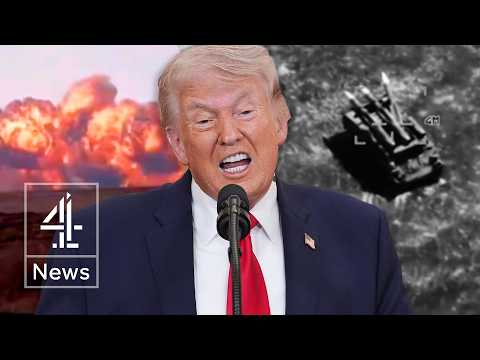
Trump celebrates as US bombs bridges across Iran
Summary
Iran asserts its determination to resist a potential U.S. ground operation, emphasizing its commitment to countering U.S. threats. The Iranian President's message to the American public reflects a broader narrative of defiance against U.S. military actions. Concurrently, President Trump outlines aggressive military strategies aimed at crippling Iran's economy, threatening extensive damage to its infrastructure.
Trump's address attempts to reclaim the narrative surrounding the conflict, yet rising oil prices indicate ongoing instability and uncertainty. Critics highlight the lack of clear objectives and the potential for escalating tensions, questioning the effectiveness of Trump's unilateral approach to foreign policy. The conflict has inadvertently strengthened hardline elements within Iran, complicating the prospect of regime change.
The military actions have primarily targeted Iran's military capabilities, raising concerns about its control over strategic areas like the Strait of Hormuz. Observers note that the ongoing conflict is increasingly viewed as a war of choice, with significant implications for global stability and economic security. The failure to consult allies and communicate objectives may exacerbate tensions and prolong the conflict.
Perspectives
Analysis of the U.S.-Iran conflict and its implications.
Pro-Trump
- Claims U.S. military actions are necessary to counter Iranian aggression
- Argues that the conflict will ultimately lead to regime change in Iran
- Highlights the need for decisive action to secure U.S. interests in the region
- Poses that military strikes will weaken Irans capabilities significantly
- Emphasizes the importance of maintaining control over the Strait of Hormuz
Anti-Trump
- Questions the effectiveness of Trumps military strategy and its long-term implications
- Critiques the lack of clear communication regarding U.S. objectives in the conflict
- Highlights the potential for increased regional instability and economic repercussions
- Denounces the unilateral approach as detrimental to U.S. alliances and global standing
Neutral / Shared
- Notes rising oil prices as a consequence of the ongoing conflict
- Observes the impact of military actions on Irans military infrastructure
- Mentions the potential for a humanitarian crisis amid escalating tensions
Metrics
loss
45,000 people
number of Iranians killed by their regime
This figure highlights the severe human cost of the regime's actions.
murderousness of a regime that killed, he said, 45,000 of its own people.
tariff
$2 million USD
tolls paid by ships for safe passage
High tolls indicate the economic stakes involved in maritime operations.
Some ships reportedly changing their flags, paying tolls of up to $2 million.
gas prices
$6 per gallon USD
current average gas price
High gas prices can impact public sentiment and economic stability.
$6 per gallon.
duration of military operation
32 days
length of current military operation
Short military engagements can lead to questions about long-term strategy.
we are in this military operation, so powerful, so brilliant against one of the most powerful countries for 32 days.
years of regime entrenchment
47 years
duration of Iranian regime's power
Long-standing regimes are often resilient against external pressures.
it's had 47 years to entrench itself.
Key entities
Timeline highlights
00:00–05:00
Iran is asserting its determination to resist a potential U.S. ground operation, as indicated by its President's message to the American public.
- Iran is demonstrating its resolve against a possible U.S. ground operation, as indicated by a message from its President directed at the American audience
- President Trump has proposed major military strikes against Iran, threatening severe damage to its economy and infrastructure, which could escalate the conflict and impact the Iranian population
- Despite Trumps assertion of a weakened Iran, the country continues missile attacks on Israel and Gulf neighbors, challenging the narrative of a diminished military and contributing to regional instability
- Negotiations are underway in the Strait of Hormuz for protocols to ensure safe passage of ships, signaling a potential change in maritime operations that could influence global oil supply and trade routes
- Emmanuel Macron has criticized Trumps inconsistent military messaging, indicating a lack of strategic coherence that may lead to diplomatic tensions among allies and complicate international responses
- The ongoing violence, including missile strikes from Iran and its allies, is heightening tensions in the region, with risks of further military conflict and humanitarian crises
05:00–10:00
President Trump addressed the nation regarding the conflict with Iran, attempting to reclaim the narrative and assert his leadership. Despite claims of nearing the end of Iran's threat, rising oil prices indicate ongoing instability.
- President Trump interrupted a popular television show to address the nation about the conflict with Iran, framing it as a pivotal moment in combating Iranian aggression. This highlights his desire to reclaim the narrative surrounding the war and assert his leadership
- Despite Trumps claims of nearing the end of Irans threat, the rising oil prices indicate that the situation remains precarious and uncertain. This suggests that his message may not have reassured the public or the markets
- The administrations approach has shifted from a clear goal of regime change to a more chaotic military strategy, resulting in a more hardline Iranian regime. This raises concerns about the effectiveness of U.S
- Trumps unilateral decision-making style has sidelined traditional governance structures, leading to frustration among analysts and lawmakers. This could undermine the checks and balances essential for effective governance
- With rising gas prices and declining approval ratings, Trump is under pressure to address economic concerns while managing the conflict. His assertion that the Strait of Hormuz is not Americas responsibility reflects a significant shift in U.S
- Ambassador John Bolton suggests that the current military actions may be creating conditions for potential regime change in Iran. However, the lack of clear communication about the objectives risks missing opportunities for diplomatic success
10:00–15:00
The military actions in Iran have primarily targeted its military capabilities, raising concerns about its control over strategic areas like the Strait of Hormuz. The ongoing conflict is increasingly viewed as a war of choice, with significant implications for global stability and economic security.
- The ongoing military actions in Iran have led to significant destruction of its military capabilities, but the focus has largely been on Iran rather than its regional adversaries. This imbalance raises concerns about Irans ability to recover and maintain control over critical areas like the Strait of Hormuz
- Trumps administration faces criticism for not adequately addressing the implications of closing the Strait of Hormuz, which could lead to a global oil crisis. The potential for rising oil prices could have catastrophic effects on economies worldwide, making it a strategic error to overlook this issue
- The rift between the United States and Europe is deepening due to Trumps unilateral approach to the conflict. By failing to consult European allies, the U.S
- Irans actions, including missile attacks on Israel and Gulf states, highlight the ongoing threat it poses despite U.S. military efforts
- The conflict in Iran is increasingly viewed as a war of choice, with significant consequences for global stability. The lack of a clear strategy and consultation with allies may lead to long-term repercussions for U.S
- The situation underscores the importance of international cooperation in addressing threats posed by Iran and its proxies. Without a unified approach, the risks to global security and economic stability will continue to escalate