Politics / United Arab Emirates
U.S.-Iran Negotiations and the Maritime Blockade
U.S.-Iran negotiations are resuming after a failed initial round, heavily influenced by a maritime blockade that is severely impacting Iran's economy. The blockade has transformed the Strait of Hormuz into a critical pressure point, complicating Iran's economic landscape and weakening its previous negotiation leverage.
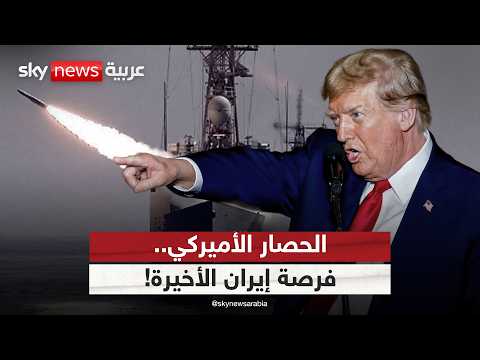
Source material: Iran's Last Chance.. How the American Naval Blockade Changed the Negotiation Balance?
Summary
U.S.-Iran negotiations are resuming after a failed initial round, heavily influenced by a maritime blockade that is severely impacting Iran's economy. The blockade has transformed the Strait of Hormuz into a critical pressure point, complicating Iran's economic landscape and weakening its previous negotiation leverage.
Iran is reportedly losing significant daily revenue due to the blockade, which has intensified its economic distress. This situation may compel Iran to engage in negotiations with the U.S. to mitigate the economic fallout, despite its historical resistance to external pressure.
The Iranian government is leveraging its military capabilities and regional influence in negotiations, aiming to secure concessions while facing internal pressures. Concerns about military escalation persist, as Iran fears renewed strikes from the U.S. and Israel could further weaken its military capabilities.
Negotiations are complicated by conflicting demands, with the U.S. seeking long-term restrictions on Iran's nuclear program and missile capabilities, while Iran insists on maintaining its nuclear infrastructure. Both parties navigate a landscape of mutual distrust, with Iran attempting to use its strategic position in the Strait of Hormuz as leverage.
Perspectives
Analysis of U.S.-Iran negotiations influenced by a maritime blockade.
U.S.
- Seeks long-term restrictions on Irans nuclear program and missile capabilities
- Utilizes maritime blockade to pressure Iran into negotiations
Iran
- Insists on maintaining its nuclear infrastructure and regional influence
- Resists U.S. demands due to historical defiance against external pressure
Neutral / Shared
- Both parties navigate a landscape of mutual distrust
Key entities
Timeline highlights
00:00–05:00
The U.S. and Iran are resuming negotiations influenced by a maritime blockade that is severely impacting Iran's economy.
- The U.S. and Iran are resuming negotiations after a failed initial round, influenced by the ongoing maritime blockade that is severely impacting Irans economy
- The maritime blockade has transformed the Strait of Hormuz from a bargaining tool for Iran into a critical pressure point, complicating its economic landscape
- Irans previous negotiation leverage has weakened due to the blockade, which has curtailed its economic activities and reliance on shadow fleets
- The Iranian economy is under significant strain from the blockade, raising questions about whether Iran will yield to U.S. demands in the upcoming talks
- Key discussion topics are expected to include Irans nuclear program and regional security, with both parties needing to establish common ground to prevent further escalation
05:00–10:00
The U.S. maritime blockade in the Strait of Hormuz is significantly impacting Iran's economy, leading to potential shifts in negotiation dynamics.
- The recent U.S. maritime blockade in the Strait of Hormuz has intensified pressure on Irans economy, potentially altering its negotiation approach with the U.S
- Iran is reportedly losing between $450 to $500 million daily due to the blockade, worsening its already precarious economic condition
- The Iranian government, which was previously resistant to negotiations, may now feel compelled to engage with the U.S. to mitigate economic distress following unsuccessful talks in Islamabad
- The U.S. strategy seems focused on controlling maritime routes, which has surprised Iran and shifted the balance of power in the negotiations
- Iran is contemplating the suspension of its shipping operations in the Strait of Hormuz to prevent further complications in ongoing negotiations, suggesting a possible openness to compromise
10:00–15:00
The U.S. and Iran are resuming negotiations influenced by a maritime blockade that is severely impacting Iran's economy.
- Iran is experiencing severe economic strain due to a maritime blockade, resulting in daily losses estimated between $450 to $500 million, significantly affecting its oil exports
- The Iranian government is leveraging its position in negotiations, viewing this as a crucial moment to engage with the U.S. following unsuccessful talks in Islamabad
- Concerns about military escalation persist, as Iran fears renewed strikes from the U.S. and Israel could further weaken its military capabilities
- Negotiations are complicated by conflicting demands: the U.S. seeks long-term restrictions on Irans nuclear program and missile capabilities, while Iran insists on maintaining its nuclear infrastructure and opposes limitations on its regional influence
- Both parties are navigating a landscape of mutual distrust, with Iran attempting to use its strategic position in the Strait of Hormuz as leverage in the negotiations
15:00–20:00
The U.S. and Iran are engaged in renewed negotiations influenced by a maritime blockade affecting Iran's economy.
- Iran is under significant economic strain due to a maritime blockade in the Strait of Hormuz, which complicates its negotiation position with the United States
- The disparity between U.S. demands and Irans expectations in negotiations is substantial, making it unlikely for Iran to easily accept U.S
- The U.S. is pushing for long-term restrictions on Irans nuclear program and missile capabilities, while Iran aims to preserve its nuclear infrastructure and resist major concessions
- Pakistans potential role as a mediator in the negotiations is uncertain, as it may find it challenging to influence Iran, which is seen as inflexible and strategic in its negotiation tactics
- The historical behavior of the Iranian regime and its regional interventions indicate a reluctance to comply with U.S. demands, complicating the prospects for a successful diplomatic resolution
20:00–25:00
The U.S. maritime blockade is significantly affecting Iran's economy and its negotiation strategies with the United States.
- Iran is experiencing significant internal pressure, with its population suffering under the regimes policies, which complicates its negotiation stance with the United States
- The Iranian government is strategically leveraging the political timeline, particularly the tenure of President Trump, to prolong negotiations and avoid immediate concessions
- Recent military developments have highlighted the surprising effectiveness of Gulf states in countering Iranian threats, indicating a shift in regional power dynamics
- Concerns are growing regarding the deterioration of Irans military capabilities, which may hinder its ability to maintain a strong defense against external pressures
- Despite its weakened position, Iran is resisting surrender to the U.S, aiming to project political strength to its citizens amid escalating tensions
25:00–30:00
The U.S. and Iran are resuming negotiations influenced by a maritime blockade that is severely impacting Iran's economy.
- The U.S.-Iran negotiations are significantly shaped by the strategic importance of the Strait of Hormuz, a key maritime route for global oil trade
- Irans economic difficulties and internal pressures are motivating the regime to resist concessions in negotiations, as it aims to uphold its political legitimacy domestically
- The participation of France and Britain in discussions about the Strait reflects an increasing awareness of the economic impacts that disruptions in this crucial shipping lane could cause
- The upcoming negotiations may involve different representatives, emphasizing a strategy of crisis management rather than resolution, consistent with Irans historical diplomatic tactics
- The U.S. may exert pressure on Iran by reducing its level of participation in talks, potentially indicating a strategic shift aimed at encouraging Iranian concessions