Politics / United Arab Emirates
Iran's Strategic Challenges Amid U.S. Pressure
Iran faces significant challenges as U.S. sanctions and military pressures target its economy, particularly oil exports. The Iranian leadership is under pressure to adapt its strategies in response to these external threats, which could lead to internal instability.
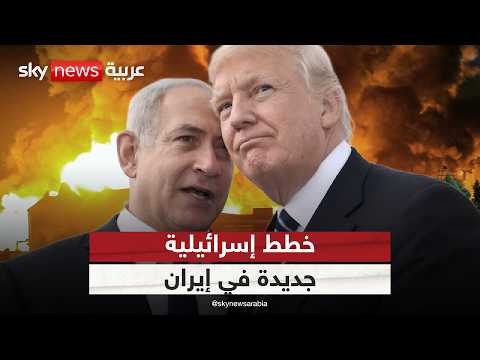
Source material: Israeli Bet on the Failure of Negotiations.. What Awaits Iran After Trump's Deadline?
Summary
Iran faces significant challenges as U.S. sanctions and military pressures target its economy, particularly oil exports. The Iranian leadership is under pressure to adapt its strategies in response to these external threats, which could lead to internal instability.
The U.S. strategy aims to compel Iran to negotiate by weakening its economic foundations. However, the resilience of the Iranian regime and its ability to seek external support may undermine the effectiveness of these sanctions.
Israel is adjusting its military tactics in response to the evolving geopolitical landscape, focusing on destabilizing Iran's military capabilities. The ongoing maritime sanctions are crippling Iran's oil exports, intensifying public dissatisfaction within the country.
Iran's leadership prioritizes control over its uranium enrichment and missile development, viewing these as essential for its strategic standing. The current diplomatic approach emphasizes regional stability and economic growth, indicating a potential shift away from revolutionary rhetoric.
Perspectives
short
U.S. Strategy
- Aims to weaken Irans economy through sanctions and military pressure
- Seeks to compel Iran to negotiate by targeting critical sectors
Iran's Resilience
- Possesses the potential for increased internal resilience against external pressures
Neutral / Shared
- Military strategies must adapt to ongoing tensions in the region
Key entities
Timeline highlights
00:00–05:00
The U.S. strategy aims to weaken Iran's economy through sanctions and military pressure, particularly targeting oil exports.
- The maritime blockade is viewed as a significant military and political strategy that could severely damage the Iranian economy, potentially leading to an unprecedented collapse
- The U.S. approach under President Trump seeks to transition the conflict from external military engagements to internal pressures within Iran, focusing on critical sectors and oil exports
- Irans economy is heavily dependent on oil, with sanctions and blockades causing estimated losses of approximately $1.5 billion monthly, which intensifies public dissatisfaction
- Iranian leaders are confronted with a critical choice: if they fail to protect their interests in the Strait of Hormuz, they must accept the repercussions of their current strategies
- The sustained U.S. pressure aims to compel Iran to return to negotiations, with the expectation that they will agree to concessions that were previously considered unacceptable
05:00–10:00
The Iranian economy is facing significant challenges due to maritime sanctions that are crippling oil exports. The Trump administration's strategy aims to pressure Iran into negotiations while Israel adjusts its military tactics in response to the evolving situation.
- The Iranian economy is severely impacted by maritime sanctions, crippling its oil exports and affecting multiple sectors
- The Trump administration is using these sanctions to pressure Iran into negotiations, warning that non-compliance could lead to increased military action
- Israel is reportedly formulating new tactical strategies to counter Iranian capabilities, reflecting a shift in its military approach amid ongoing tensions
- As the economic situation deteriorates, Iranian leadership faces mounting internal pressure, which may compel them to make concessions in future negotiations
- There are concerns that if Iran fails to adapt to the evolving geopolitical landscape, it risks dire consequences, including a regression to a pre-modern state
10:00–15:00
The U.S. strategy aims to weaken Iran's economy through sanctions and military pressure, particularly targeting oil exports.
- Iranian leadership is prioritizing control over its uranium enrichment and missile development, viewing these as essential for its strategic standing
- The current diplomatic approach of Iran emphasizes regional stability and economic growth, indicating a potential shift away from revolutionary rhetoric
- The Trump administrations reliance on maritime sanctions to compel Iran into negotiations adds to doubts about the strategys effectiveness
- Israel continues its intelligence operations in Iran, aiming to gather critical information to weaken Irans missile capabilities and regional influence
- The possibility of renewed negotiations between the U.S. and Iran depends on Irans readiness to make significant concessions, which may be hindered by its current strategic stance
15:00–20:00
The U.S. strategy aims to weaken Iran's economy through sanctions and military pressure, particularly targeting oil exports.
- The failure of negotiations with Iran is viewed as a tactical conflict, prompting Israel to seek alternative strategies to counter Iranian influence
- Israel aims to destabilize Irans internal structure and military capabilities through intelligence operations and strategic military planning
- The current geopolitical situation indicates that Israel considers the emergence of a new Iranian regime vital, as the existing government remains resistant to change despite external pressures
- U.S. policies under President Trump are seen as pivotal in attempting to redefine Irans role in the region, which could lead to prolonged instability within Iran
- Israels military strategy is geared towards preparing for a long-term conflict, acknowledging that dismantling Irans military infrastructure may require decades
20:00–25:00
Iran is facing significant challenges due to U.S. sanctions and military pressures, which are crippling its oil exports and affecting its international relations.
- Iran is struggling to rebuild its international relations, particularly with regional adversaries, in the wake of U.S. sanctions and military pressures
- The ongoing maritime blockade affects global trade, leading European allies to urgently discuss securing navigation routes, while the U.S. opts for independence from NATO support
- Irans military strategy is evolving towards a more aggressive stance, which may result in unpredictable reactions to external pressures and escalate regional tensions
- The Iranian regime faces a critical juncture, needing to balance diplomatic engagement with the risk of political and economic collapse due to prolonged sanctions and military isolation
25:00–30:00
The U.S. strategy aims to weaken Iran's economy through sanctions and military pressure, particularly targeting oil exports.
- Irans actions in the Strait of Hormuz are shaped by the energy needs of major powers, especially European countries
- There is an increased risk of military conflict in the region, reminiscent of Irans past engagements in the 1980s
- European nations must reassess their military strategies to effectively respond to ongoing maritime tensions
- The situation highlights the critical need for international collaboration to maintain safe navigation in the Strait, as disruptions could have far-reaching economic impacts
- The discussions on military and diplomatic strategies reveal a complex relationship between Irans goals and the reactions from the U.S. and its allies