Politics / United Arab Emirates
U.S. Military Preparedness and Iran's Nuclear Ambitions
The U.S. military is preparing for potential operations against Iranian-linked vessels in the Strait of Hormuz, reflecting heightened tensions in the region. Expert Saeed Al-Bustani indicates that military options are part of a strategic pressure approach to encourage Iran towards a diplomatic resolution. Economic sanctions are highlighted as effective tools influencing Iran's internal dynamics and altering its negotiation stance.
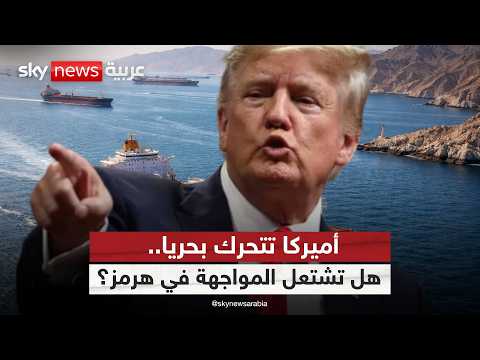
Source material: Hormuz on the brink of explosion.. American military movements against Iranian ships
Summary
The U.S. military is preparing for potential operations against Iranian-linked vessels in the Strait of Hormuz, reflecting heightened tensions in the region. Expert Saeed Al-Bustani indicates that military options are part of a strategic pressure approach to encourage Iran towards a diplomatic resolution. Economic sanctions are highlighted as effective tools influencing Iran's internal dynamics and altering its negotiation stance.
Internal divisions within Iran, particularly between hardliners and reformists, complicate the regime's ability to respond to external pressures. While military action is being considered, negotiations remain the primary focus for the U.S. administration, which is wary of the consequences of prolonged military conflict.
Israeli officials warn that any military response to Iran would be significant and painful, indicating a coordinated strategy with the U.S. to counter Iranian threats. The situation illustrates a complex balance between military readiness and diplomatic efforts, with both sides assessing the risks of escalation against the necessity for negotiation.
Iranian officials have declared that the country's enriched uranium will not be transferred, indicating a hardline position in ongoing negotiations. With uranium enrichment at 60% purity, Iran is nearing the capability to develop nuclear weapons, complicating diplomatic efforts.
Perspectives
Analysis of military tensions and diplomatic efforts regarding Iran.
U.S. Military Strategy
- Prepares for military operations against Iranian-linked vessels to deter threats
- Utilizes economic sanctions as a primary tool to influence Irans negotiation stance
Iran's Hardline Position
- Refuses to transfer enriched uranium, indicating a commitment to nuclear capabilities
- Internal divisions complicate Irans response to U.S. military pressure
Neutral / Shared
- Both sides assess risks of escalation against the necessity for negotiation
- International responses include calls for cooperation to ensure maritime security
Metrics
other
50%
Trump administration's stance on negotiations
Indicates a significant level of uncertainty in U.S. foreign policy
the Trump administration is 50% on any country that is in the country.
Key entities
Timeline highlights
00:00–05:00
The U.S. military is preparing to conduct operations against Iranian-linked vessels in international waters, indicating escalating tensions in the Strait of Hormuz.
- The U.S. military is set to conduct operations against vessels linked to Iran in international waters, reflecting heightened tensions in the Strait of Hormuz
- Expert Saeed Al-Bustani indicates that military options are part of a strategic pressure approach to encourage Iran towards a diplomatic resolution
- Economic sanctions are highlighted as effective soft tools that are influencing Irans internal dynamics and altering its negotiation stance
- Internal divisions within Iran, especially between hardliners and reformists, are becoming more evident, complicating the regimes ability to respond to external pressures
- While the potential for military action is being closely monitored and U.S. military plans are regularly updated, negotiations remain the primary focus for President Trump
05:00–10:00
The U.S. military is preparing for potential operations against Iranian-linked vessels, reflecting heightened tensions in the Strait of Hormuz.
- The U.S. military is on high alert for potential Iranian provocations, with both Washington and Tel Aviv reportedly ready for military action against Iran
- Israeli officials warn that any military response to Iran would be significant and painful, indicating a coordinated strategy with the U.S. to counter Iranian threats
- Negotiations with Iran are complicated by differing stances among involved nations, with the U.S. adopting a cautious approach while Israel takes a more aggressive position
- Israel appears to be preparing for renewed military engagement, particularly in response to perceived Iranian maneuvers, which are interpreted as tactical negotiations
- Internal divisions within Iran, particularly between hardliners and reformists, may affect the countrys ability to respond to external pressures and ongoing negotiations
10:00–15:00
The U.S. military is preparing for potential naval operations against Iranian-linked vessels in the Strait of Hormuz, indicating rising tensions in the region.
- Rising tensions in the Strait of Hormuz have led the U.S. to prepare for naval operations against vessels linked to Iran, increasing the potential for military confrontation
- Expert Saeed Al-Bustani indicates that while military options are still on the table, they are part of a strategic effort to pressure Iran into a diplomatic agreement
- Economic sanctions are viewed as a more effective means for the U.S. to influence Irans internal dynamics and reshape its negotiating position, favoring non-military approaches
- Israeli officials stress the importance of decisive action against perceived Iranian threats, reflecting a widespread desire among Israelis for security and a return to normalcy amid ongoing conflicts
- Iranian leaders, including Mohammad Baqer Qalibaf, recognize U.S. military superiority and express a need for more pragmatic negotiations, highlighting the complex power dynamics in the region
15:00–20:00
The U.S. military is preparing for potential operations against Iranian-linked vessels in the Strait of Hormuz, reflecting heightened tensions in the region.
- The U.S. is preparing for military operations against Iranian-linked vessels in the Strait of Hormuz, amid rising tensions and threats in the region
- Military options are being considered as a strategic pressure tactic to encourage Iran to engage in negotiations, alongside significant economic sanctions
- Recent actions by the Iranian Revolutionary Guard are viewed as provocations intended to draw the U.S. back into military conflict, despite perceptions of Irans diminished military capabilities
- The U.S. is anticipated to start seizing Iranian vessels carrying oil or other goods, representing a notable escalation in maritime confrontations
- The situation illustrates a complex balance between military readiness and diplomatic efforts, with both sides assessing the risks of escalation against the necessity for negotiation
20:00–25:00
The U.S. military is preparing for potential naval operations against Iranian-linked vessels in the Strait of Hormuz, indicating rising tensions in the region.
- The U.S. is reportedly preparing military operations against Iranian-linked vessels in the Strait of Hormuz, amid rising regional tensions
- Military action is viewed as a strategic pressure tactic to push Iran towards negotiations, with economic sanctions significantly influencing Irans internal politics
- Recent meetings among Middle Eastern nations indicate a potential shift in alliances and the emergence of a new regional security framework
- There are concerns that a U.S. withdrawal from military engagement could allow Iran to destabilize the region, particularly impacting neighboring countries like Lebanon
- The current U.S. administration aims for a diplomatic deal while being wary of the consequences of prolonged military conflict, reflecting a commitment to avoid endless wars
25:00–30:00
The U.S. military is preparing for potential naval operations against Iranian-linked vessels in the Strait of Hormuz, reflecting heightened tensions in the region.
- The U.S. is preparing military operations against Iranian-linked vessels in the Strait of Hormuz, amid escalating tensions and mutual threats
- Saeed Al-Bustani notes that while military options are available, the U.S. is likely to focus on economic pressure, such as sanctions, to influence Irans negotiation position
- There are signs of a potential Lebanese-Israeli summit facilitated by the U.S, which could alter regional dynamics, particularly regarding Irans influence in Lebanon
- Internal divisions in Iran complicate the situation, with hardliners in the Revolutionary Guard resisting significant diplomatic engagement, while others aim to reduce economic losses from ongoing conflicts
- The U.S. military presence in the region is designed to apply pressure on Iran, but President Trump seems reluctant to pursue direct military action unless absolutely necessary