Politics / Saudiarabia
Pluralistic review of domestic politics through national press, media commentary and public debate across diverse political perspectives. Topic: Saudiarabia. Updated briefs and structured summaries from curated sources.
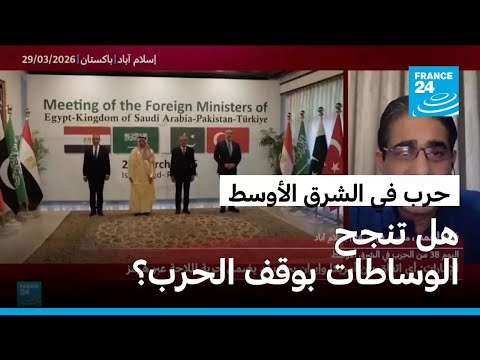
هل تنجح الوساطات في اللحظات الأخيرة بإنهاء الحرب وفتح مضيق هرمز؟
Summary
Pakistan has initiated a proposal for a ceasefire between the United States and Iran, suggesting a duration of 15 to 20 days. This proposal is contingent upon the opening of the Strait of Hormuz, a critical maritime route.
The current geopolitical climate remains tense, with ongoing military actions complicating the potential for peace. The U.S. administration has not yet endorsed this proposal, indicating a lack of commitment to diplomatic resolutions.
The effectiveness of the ceasefire proposal largely depends on the U.S. willingness to engage in negotiations. Without a positive response from U.S. officials, the prospects for a successful ceasefire diminish significantly.
Military institutions in Pakistan may influence the diplomatic landscape, potentially complicating the negotiations. The situation remains precarious, with various stakeholders involved in the conflict.
Perspectives
short
Pakistan's Proposal for Ceasefire
- Proposes a ceasefire between the U.S. and Iran for 15 to 20 days
- Conditions the ceasefire on the opening of the Strait of Hormuz
- Highlights the importance of diplomatic engagement to resolve tensions
U.S. Response
- Has not endorsed the ceasefire proposal
- Continues military actions against Iran
- Indicates a lack of commitment to diplomatic resolutions
Neutral / Shared
- Notes the ongoing military actions complicating peace efforts
- Acknowledges the influence of military institutions in Pakistan on negotiations
Key entities
Timeline highlights
00:00–05:00
Pakistan has proposed a ceasefire between the U.S. and Iran for 15 to 20 days, contingent on the opening of the Strait of Hormuz.
- Pakistan has proposed a ceasefire between the U.S. and Iran for 15 to 20 days, contingent on the opening of the Strait of Hormuz
- The Pakistani government emphasizes the importance of this proposal, suggesting it should be accepted promptly to avoid further escalation. The urgency is heightened by President Trumps threats, which could lead to significant consequences
- Despite the proposal, there has been a lack of positive response from U.S. officials, indicating a reluctance to engage with the suggested terms
- The situation is complicated by Pakistans unique position as a mediator, given its relationships with both Tehran and Washington. This role places Pakistan in a critical position to influence the outcome of negotiations
- There are no official details available regarding the proposal, which limits transparency and public understanding of the situation. The absence of clear communication may hinder diplomatic efforts and trust among the involved parties
- Military institutions in Pakistan are reportedly involved in the discussions, indicating a complex interplay between civilian and military leadership. This dynamic could affect the direction and effectiveness of the proposed negotiations