Politics / Saudiarabia
Pluralistic review of domestic politics through national press, media commentary and public debate across diverse political perspectives. Topic: Saudiarabia. Updated briefs and structured summaries from curated sources.
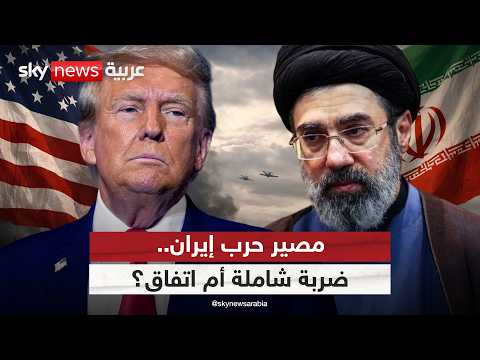
مآلات حرب إيران.. اتفاق بشروط ترامب أم ضربة شاملة؟
Summary
The rescue of an American pilot in Iran highlights the complexities of military intervention, distinct from ground invasions. This operation may enhance public confidence in U.S. The U.S. President suggested that Iran could experience substantial military damage in a single night, raising concerns about the operation's feasibility.
The legality of U.S. military actions against Iran is being questioned, particularly regarding civilian infrastructure. The current geopolitical landscape presents a choice between military action against Iran and pursuing diplomatic solutions, which could influence regional stability. Israeli Prime Minister Netanyahu emphasizes the need for a balanced approach that incorporates both military pressure and negotiations.
Perspectives
LLM output invalid; stored Stage4 blocks + metrics only.
Metrics
military_units
75 US military units
number of military units involved
This indicates the scale of U.S. military presence in the region.
there were 75 US military units
threat_level
10,000 units
threat level posed by Iran's regime
Understanding the threat level is crucial for assessing military strategy.
Iran's regime has been in a number of 10,000
other
the Iranian people have been waiting for this month
public sentiment in Iran
This indicates a significant moment for potential change in Iran.
The Iranian people have been waiting for this month, and they are preparing for it.
Key entities
Timeline highlights
00:00–05:00
The rescue of an American pilot in Iran highlights the complexities of military intervention, distinct from ground invasions. This operation may enhance public confidence in U.S.
- The recent rescue of an American pilot in Iran illustrates the complexities of military intervention, as such operations are distinct from ground invasions and may not lead to increased U.S. military involvement
- Success in the rescue mission could enhance public confidence in the effectiveness of U.S. military operations
- U.S. strategy seems aimed at disrupting Irans strategic calculations while carefully managing the risks of military actions
- The operation showcases the U.S. militarys determination and capability in handling intricate military scenarios
- Despite ongoing conflicts, the U.S. has not lost any aircraft in recent operations against Iran, highlighting a shift in operational effectiveness
- The outcomes of this operation could influence U.S. foreign policy and military strategy in the Middle East
05:00–10:00
The U.S. President suggested that Iran could experience substantial military damage in a single night, raising concerns about the operation's feasibility.
- The U.S. President indicated that Iran could face significant military damage in a single night, raising questions about the feasibility of such an operation
- There are concerns regarding the potential humanitarian consequences of targeting Irans military infrastructure, which could be classified as war crimes if civilians are affected
- The current administrations military strategy is being critically evaluated for its effectiveness in addressing threats from Iran
- The unpredictability of military engagements complicates planning, as it is difficult to anticipate how adversaries will respond to U.S. actions
10:00–15:00
The legality of U.S. military actions against Iran is being questioned, particularly regarding civilian infrastructure.
- The legality of U.S. military actions against Iran is under scrutiny, especially regarding the impact on civilian infrastructure
- Ongoing negotiations between the U.S. and Iran focus on achieving a comprehensive agreement, as emphasized by President Trump
- If Iran meets U.S. demands, it may result in a political agreement and the lifting of sanctions
- Trumps strategy may include targeted military actions to exert pressure on Iran if negotiations do not yield results. Such actions could heighten regional tensions and lead to further conflict
- Despite U.S. military successes, Iran still possesses capabilities to conduct attacks, aided by support from allies like Russia and China
- The emphasis on regional security highlights the risk of broader conflict if diplomatic efforts fail. The outcomes of military and political strategies could significantly influence U.S.-Iran relations
15:00–20:00
The current geopolitical landscape presents a choice between military action against Iran and pursuing diplomatic solutions, which could influence regional stability. Israeli Prime Minister Netanyahu emphasizes the need for a balanced approach that incorporates both military pressure and negotiations.
- The current situation presents a critical choice between total destruction of Iran or pursuing a diplomatic agreement, which could significantly impact regional stability
- Israeli Prime Minister Netanyahu has urged President Trump to maintain military actions while also considering negotiations, highlighting the need for a balance between pressure and diplomacy
- The coalition stresses the importance of strategic planning amid ongoing conflict, aiming to utilize the Abraham Accords to strengthen regional cooperation
- The coalition seeks not just military victory but also a more moderate regime in Iran, reflecting a vision for lasting peace in the region
- Recent protests indicate a growing desire for change among Iranian youth, suggesting that engaging this demographic is vital for future transformations in Iran
- The limited mobilization of youth in recent years raises concerns about the effectiveness of past protests, making it essential to understand Iranian societal dynamics for potential governance shifts
20:00–25:00
The Iranian protests are increasingly dangerous, highlighting the risks faced by demonstrators. A shift towards broader cooperation among global organizations indicates a desire to address regional challenges beyond military conflict.
- The Iranian protests are increasingly dangerous, exposing demonstrators to potential violence and underscoring the risks in their pursuit of a better future
- A growing dialogue among various global organizations, including those without formal ties to Israel, signals a shift towards broader cooperation in addressing regional challenges beyond military conflict
- Concerns about Irans ballistic missile capabilities are rising, as their strategic position in the Strait of Hormuz could complicate future negotiations
- The U.S. administrations approach to the Strait of Hormuz is crucial, as it may affect Irans willingness to engage on other significant issues
- Ongoing discussions reflect a collective desire for a peaceful future in the region, moving away from historical conflicts and fostering constructive relationships among neighboring countries
- The urgency of these discussions is heightened by the need to tackle humanitarian and economic crises in Iran, suggesting that collaboration is vital for long-term stability and change