Politics / Saudiarabia
Pluralistic review of domestic politics through national press, media commentary and public debate across diverse political perspectives. Topic: Saudiarabia. Updated briefs and structured summaries from curated sources.
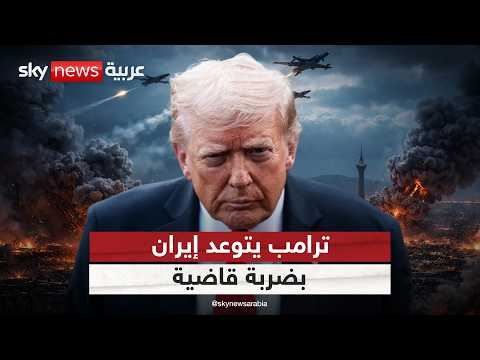
ترامب يهدد بالقضاء على إيران في ليلة واحدة.. كيف يمكن تحقيق ذلك عسكريا؟
Summary
The U.S. strategy towards Iran involves a gradual escalation aimed at undermining the regime's infrastructure, which may heighten regional tensions. Experts highlight the unrealistic nature of a swift military elimination of Iran, emphasizing the complexity of its military resilience. The U.S.
The U.S. strategy towards Iran focuses on gradual escalation rather than immediate military elimination. The U.S. military strategy towards Iran involves a gradual targeting of its infrastructure to weaken its capabilities while avoiding full-scale conflict.
Perspectives
LLM output invalid; stored Stage4 blocks + metrics only.
Metrics
military_action
more than 50%
percentage of Iranian control over powerful countries
This indicates a significant geopolitical influence of Iran in the region.
more than 50% of Iran
military_action
300 countries units
number of countries covered by the Lebanese army
This suggests extensive military engagement and potential regional implications.
cover more than 300 countries
military_forces
878,000 units
total military forces involved
This number indicates the scale of U.S. military presence and potential engagement in the region.
the war is 878,000 units of the military forces.
other
20 years
duration of U.S. involvement in Afghanistan
This highlights the long-term commitment and challenges faced by the U.S. in military engagements.
20 years, the United States has been a Taliban
other
80%
percentage of people responsible for the military
This indicates a significant public perception of military involvement in governance.
80% of the people who are responsible for the military
other
50%
the percentage of the matter in the military strategy discussion
This indicates a significant focus on economic targets in military planning.
we are more than 50% of this matter in the matter of the matter
other
the majority of the government is the majority of the government
government structure in Iran
Understanding the government structure is crucial for assessing the effectiveness of U.S. strategies.
the majority of the government is the majority of the government
other
$1 million USD
financial commitment for U.S. state establishment
This figure highlights the financial stakes involved in U.S. military and diplomatic efforts.
$1 million in the Saudi Arabia until they meet the orders and prove their success.
Key entities
Timeline highlights
00:00–05:00
The U.S. strategy towards Iran involves a gradual escalation aimed at undermining the regime's infrastructure, which may heighten regional tensions.
- The U.S. approach to Iran focuses on a gradual escalation to weaken the regimes infrastructure, which may lead to increased tensions in the region
- Israeli Prime Minister Netanyahu has stated that the military aims to disrupt the funding sources of the Iranian Revolutionary Guard, indicating a strategic effort to diminish Irans military strength
- Iran has firmly rejected U.S. proposals, reaffirming its commitment to its military stance, which could complicate diplomatic efforts
- The Israeli military has targeted infrastructure in southern Lebanon associated with Hezbollah, reflecting a strategy to counter Iranian influence in the area
- Recent airstrikes in Lebanon have been noted for their unprecedented execution, suggesting a potential shift in military tactics that may escalate the conflict
- The ongoing military actions in southern Lebanon create a volatile situation, with observers concerned about the implications for regional stability
05:00–10:00
Experts highlight the unrealistic nature of a swift military elimination of Iran, emphasizing the complexity of its military resilience. The U.S.
- Experts consider the idea of eliminating Iran militarily in one night to be unrealistic, underscoring the complexity of Irans military resilience
- Trumps threats against Iran are paired with a willingness to engage diplomatically, reflecting a delicate balance between military posturing and negotiation
- The U.S. Secretary of Defense has indicated that Iran may soon experience unprecedented military bombardment
- Analysts believe Iran can withstand military strikes without collapsing, complicating any strategy aimed at a decisive victory
- Targeting Irans infrastructure is challenging due to its complexity, which differs from direct military capabilities, highlighting the difficulties in undermining Irans military effectiveness
- Despite potential U.S. military actions, Irans capacity for retaliatory strikes remains strong
10:00–15:00
The U.S. strategy towards Iran focuses on gradual escalation rather than immediate military elimination.
- Experts assert that eliminating Iran militarily in one night is unfeasible, emphasizing the intricacies of its military resilience
- The U.S. strategy is centered on gradual escalation rather than immediate destruction of Irans capabilities
- Irans military threats, particularly to maritime navigation, are perceived as reactions to external pressures from the U.S
- The U.S. government views its security role in the Strait of Hormuz as a service that warrants compensation
- While diplomatic breakthroughs are possible, any concessions from Iran could be interpreted as weakness by its supporters
- Current military tactics involve targeted strikes to apply pressure on Iran without engaging in full-scale conflict
15:00–20:00
The U.S. military strategy towards Iran involves a gradual targeting of its infrastructure to weaken its capabilities while avoiding full-scale conflict.
- Targeting Irans infrastructure will likely be a gradual process to avoid escalating tensions into a wider conflict
- Irans threats to maritime navigation complicate U.S. military strategies and require careful management to maintain regional stability
- The U.S. militarys focus on infrastructure aims to weaken Irans capabilities without engaging in full-scale war
- Striking Iranian infrastructure carries legal and strategic risks for the U.S. government
- The likelihood of Iranian retaliation against U.S. interests in the Gulf remains a significant concern
- Military actions will have substantial economic repercussions for both the U.S. and Iran
20:00–25:00
The American public is increasingly opposed to long military engagements, viewing them as primarily benefiting Israel. President Trump suggests a focus on controlling oil resources in Iran, indicating a shift towards economic interests.
- The American public is increasingly opposed to long military engagements, viewing them as primarily benefiting Israel, which pressures elected officials to seek a shift away from war
- President Trump recognizes the publics reluctance for prolonged military involvement and suggests a focus on controlling oil resources in Iran, indicating a shift towards economic interests
- Targeting Irans infrastructure poses challenges, as effective military action must avoid escalating regional instability and account for the Iranian regimes resilience
- Iran effectively uses its military capabilities to influence global decision-making, particularly through threats to maritime navigation, complicating U.S. military strategies
- Military action against Irans infrastructure could lead to unintended consequences, including increased domestic unrest in the U.S. and heightened tensions in the Middle East
- The situation highlights the need for diplomatic solutions alongside military strategies, as Irans actions aim to shape international relations and prevent further escalation
25:00–30:00
The U.S. administration struggles to understand Iran's perspective, complicating strategic decisions.
- The U.S. administration has difficulty grasping the Iranian viewpoint, complicating its strategic decisions
- Iran is seen as engaging in a global conflict while simultaneously applying pressure on the U.S, showcasing its influence on international dynamics
- Irans control over the Strait of Hormuz raises significant concerns about potential disruptions to global oil markets and international trade
- Comparisons between U.S. military actions in Iran and past engagements, like in Afghanistan, indicate a hesitance to deploy ground troops
- The Iranian regime has demonstrated resilience, maintaining power despite external pressures, which complicates U.S. strategies
- The U.S. approach seems to target both military and economic infrastructures in Iran, reflecting a broader strategy