Politics / Saudiarabia
Pluralistic review of domestic politics through national press, media commentary and public debate across diverse political perspectives. Topic: Saudiarabia. Updated briefs and structured summaries from curated sources.
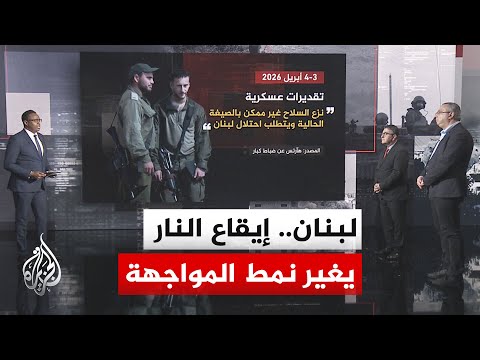
نافذة تحليلية.. قراءة في تحوّل الخطاب الإسرائيلي تجاه لبنان من "نزع السلاح" إلى "المنطقة العازلة"
Summary
Israeli military strategy in Lebanon has evolved significantly, focusing on establishing a permanent buffer zone to manage threats from Hezbollah. This shift reflects a long-term approach to the complexities of the conflict, particularly in relation to Iran's influence in the region.
Challenges faced by the Israeli military include Hezbollah's enhanced capabilities and strong local resistance, prompting a reevaluation of military objectives. The evolving dynamics indicate a potential escalation of conflict rather than a path to decisive victories.
The Israeli military's strategy appears predicated on the assumption that reducing objectives will mitigate risks. However, this overlooks the potential for Hezbollah to exploit perceived weaknesses, complicating operational success.
Internal disagreements within the Israeli military regarding objectives further complicate the situation. The current approach emphasizes a dual strategy of military action and political pressure, aiming to manage the conflict rather than achieve a clear victory.
Perspectives
Analysis of Israeli military strategy and its implications in Lebanon.
Israeli military perspective
- Emphasizes the need for a permanent buffer zone in southern Lebanon
- Recognizes the challenges posed by Hezbollahs military capabilities
- Aims to manage the conflict with a long-term strategy
- Seeks to balance military action with political pressure
- Acknowledges the importance of internal military consensus on objectives
Hezbollah and local resistance perspective
- Highlights the resilience of Hezbollah against Israeli military actions
- Questions the effectiveness of Israels military strategy in achieving security
- Points out the potential for increased local resistance to Israeli incursions
- Critiques the disconnect between military objectives and political leadership
Neutral / Shared
- Notes the historical context of Israeli military operations in Lebanon
- Observes the impact of regional dynamics on the conflict
- Comments on the role of international reactions to Israeli actions
Key entities
Timeline highlights
00:00–05:00
The Israeli military's strategy in Lebanon has shifted towards establishing a permanent buffer zone and controlling southern Lebanon as a defensive measure. This reflects a long-term approach to managing the complexities of the conflict with Hezbollah and Iran.
- The Israeli militarys strategy has evolved from disarming Hezbollah to creating a permanent buffer zone, reflecting changes in the Lebanese conflict dynamics
- Israeli officials are prioritizing control over southern Lebanon as a defensive measure, indicating a long-term approach to conflict management
- There is a dual focus on neutralizing Hezbollahs military capabilities both militarily and politically, highlighting the complexity of the threat and the challenges it presents
- Current assessments suggest that complete disarmament of Hezbollah is not feasible, signaling a potential shift towards a sustained military presence in the region
- The changing Israeli rhetoric connects its actions in Lebanon to the broader conflict with Iran, emphasizing the importance of regional dynamics in shaping military objectives
- Recent military operations aim to expand Israels security zone in southern Lebanon, resulting in the destruction of homes and displacement of local residents
05:00–10:00
The Israeli military is facing significant challenges in Lebanon, prompting a reevaluation of its military strategies and objectives. The evolving combat dynamics and strong resistance from Hezbollah indicate a potential escalation of the conflict.
- The Israeli military faces significant challenges in Lebanon, indicating a more complex battlefield than expected. This complexity is forcing a reevaluation of military strategies and objectives
- Israeli forces are attempting deeper incursions into Lebanese territory but are met with strong resistance from Hezbollah. This resistance is reshaping Israels military approach
- The conversation around establishing a buffer zone has shifted to include Hezbollahs disarmament as a key goal. This marks a strategic change in Israels military engagement in Lebanon
- Combat dynamics have evolved, with Israeli forces encountering new resistance forms that increase casualties. This suggests a potential escalation and prolongation of the conflict
- Debates continue regarding the effectiveness of military operations aimed at disarming Hezbollah versus creating a secure buffer zone. The resolution of this debate will significantly impact Israels future military and political strategies
- Current military operations reflect a deeper strategic transformation in Israels approach to Lebanon, with implications for regional stability and security
10:00–15:00
The Israeli military is adjusting its strategy in Lebanon, recognizing the challenges posed by Hezbollah's enhanced military capabilities. This shift reflects a long-term focus on managing the conflict rather than achieving decisive victories.
- The Israeli military is adapting its strategy in Lebanon, focusing on reducing objectives in response to Hezbollahs resilience. This shift indicates a recognition of the challenges Israeli forces face in the region
- Hezbollah has significantly enhanced its military capabilities, utilizing advanced drones and improved defensive tactics. This evolution complicates Israels operational planning and increases the risks of military engagements
- Recent Israeli operations have expanded beyond traditional Hezbollah strongholds, aiming to apply pressure on the broader Lebanese population. This strategy seeks to undermine Hezbollahs support and influence within Lebanon
- Israeli forces have faced setbacks, including casualties from ambushes, prompting a reassessment of their operational goals. These incidents underscore the dangers of ground operations and may discourage further aggressive actions
- There is a growing disconnect between Israeli military objectives and political leadership, which undermines public confidence in military strategies. This gap could impede effective decision-making and affect future military operations
- Israels military actions are increasingly perceived as efforts to manage the conflict rather than secure decisive victories. This suggests a long-term strategy focused on containment rather than the outright defeat of Hezbollah
15:00–20:00
Israeli military leaders are reassessing their strategy in Lebanon due to Hezbollah's unexpected resilience and internal disagreements regarding military objectives. The current approach emphasizes a dual strategy of military action and political pressure to manage the conflict rather than seeking a decisive victory.
- Israeli military leaders are surprised by Hezbollahs unexpected resilience, complicating their strategic planning in Lebanon. This shift indicates a need for a reassessment of military objectives
- Internal disagreements within the Israeli government regarding military goals highlight the challenges of disarming Hezbollah. There is an acknowledgment that military action must be paired with political and diplomatic efforts
- Israels strategy includes establishing a buffer zone in southern Lebanon to reduce threats from Hezbollah. This approach reflects a long-term commitment to managing the conflict rather than achieving a decisive military victory
- Ongoing military operations aim to pressure the Lebanese government to take action against Hezbollah, indicating a dual strategy of military and political pressure. This could escalate tensions within Lebanon as the government responds to these demands
- Israel seeks to weaken Hezbollah by strategically separating its operations from Iranian influence. This division is essential for Israels broader military strategy in the region
- The evolving dynamics in Lebanon suggest a complex interaction of military and political factors that may reshape Israels conflict approach. These developments could lead to a more prolonged engagement in the region