Intel / North America
Real-time monitoring of security incidents, escalation signals and threat indicators across global hotspots, focusing on rapid alerts and emerging risk developments. Topic: North-America. Updated briefs and structured summaries from curated sources.
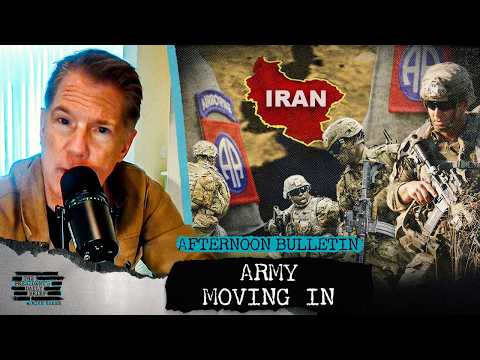
MAJOR ESCALATION: U.S. Rushes 82nd Airborne Toward Iran
Summary
The Pentagon is deploying approximately 2,000 troops from the 82nd Airborne Division to the Middle East, enhancing U.S. military presence in the region. This move aims to provide the President with flexible military options against Iran while simultaneously signaling a potential diplomatic off-ramp. The deployment includes a rapid reaction force capable of responding within 18 hours, indicating a readiness to address escalating tensions.
In conjunction with the troop deployment, Israel has conducted its first military strikes in the Caspian Sea, targeting a weapons pipeline between Russia and Iran. This operation aims to disrupt the military cooperation between the two nations, which has been critical for supplying arms and ammunition. The strike focused on the Iranian port of Bandar Anzali, a key hub for military logistics.
The Israeli attack on Bandar Anzali port raises significant risks, as it could inadvertently involve Russian assets, potentially provoking a direct military response from Moscow. While the strike targeted Iranian assets, the corridor also serves as a vital supply line for Russia's ongoing conflict in Ukraine. Russia has condemned the attack, warning against further escalation in the region.
The juxtaposition of military escalation by the U.S. and Israel alongside diplomatic overtures complicates the situation. Washington's strategy appears to rely on military pressure to gain leverage in negotiations, despite Tehran's denial of any ongoing discussions. This dual-track approach raises questions about its effectiveness, especially given the lack of acknowledgment from Iran regarding negotiations.
Perspectives
short
U.S. and Israel's Military Actions
- Deploys additional troops to enhance military options against Iran
- Targets Iranian military infrastructure to disrupt arms supply routes
- Utilizes rapid reaction forces to respond quickly to escalating tensions
- Conducts strikes to impair military cooperation between Russia and Iran
- Builds military pressure to gain leverage in potential negotiations
Iran and Russia's Response
- Denies any negotiations with the U.S. and warns against military escalation
- Condemns Israeli strikes as a threat to regional stability
- Emphasizes the importance of the Caspian Sea for civilian and military logistics
- Signals continued defiance against U.S. military presence in the region
- Highlights the risks of direct conflict due to the involvement of Russian assets
Neutral / Shared
- Military build-up occurs alongside diplomatic discussions
- Potential for further escalation exists due to the complexity of regional dynamics
- Public messaging from both sides reflects a disconnect regarding negotiations
Metrics
deliveries
more than 300,000 artillery shells and roughly 1 million rounds of ammunition units
ammunition shipped from Iran to Russia via the Caspian Sea in 2023
This volume indicates a significant level of military cooperation between Iran and Russia.
In 2023, alone more than 300,000 artillery shells and roughly 1 million rounds of ammunition were shipped from Iran to Russia via the Caspian.
other
critical supply line for Moscow's war in Ukraine
the significance of the port in military logistics
Disruption of this supply line could impact Russia's military operations.
It's a critical supply line for Moscow's war in Ukraine.
Key entities
Timeline highlights
00:00–05:00
The Pentagon is deploying around 2,000 troops from the 82nd Airborne Division to the Middle East, potentially increasing U.S. military presence to between 6,000 and 8,000 troops.
- The Pentagon is sending around 2,000 troops from the 82nd Airborne Division to the Middle East, enhancing military options against Iran and enabling rapid response to escalating tensions
- The U.S. military presence near Iran could increase to between 6,000 and 8,000 troops, signaling a significant escalation
- While military preparations are in progress, the White House is also engaging in what President Trump calls productive diplomatic negotiations with Iran, raising questions about the effectiveness of military pressure
- Iranian officials are denying any negotiations with the U.S, which contrasts with Washingtons optimistic stance and underscores the complexities of the diplomatic situation
- The military buildup continues despite ongoing talks, indicating a strategy that seeks to combine military readiness with diplomatic efforts to gain leverage
- Tehrans refusal to acknowledge negotiations could hinder any potential diplomatic progress, complicating the situation further
05:00–10:00
Israel has conducted its first military strikes in the Caspian Sea, targeting a weapons pipeline between Russia and Iran. This operation aims to disrupt military cooperation and supply routes critical for both nations.
- Israel has launched strikes in the Caspian Sea, targeting a weapons pipeline that facilitates military cooperation between Russia and Iran. This action represents a significant escalation as it is Israels first military operation in this area
- The strikes concentrated on the Iranian port of Bandar Anzali, a vital supply route for military equipment. Damage assessments reveal that Israel hit multiple sites, including naval vessels and shipyard facilities
- The Caspian Sea has been a secure corridor for Russia and Iran to transport weapons with little disruption. Israels efforts to disrupt this route aim to weaken their military capabilities
- Israeli officials report that the strikes affected numerous locations and caused substantial damage. This could impair Irans ability to supply drones and ammunition to Russia, which are utilized in conflicts against U.S
- This military action aligns with Washingtons strategy to disrupt the collaboration between Tehran and Moscow. By targeting this pipeline, Israel seeks to restrict the flow of Iranian-made drones that pose a threat to U.S
- The ongoing military operations underscore the escalating complexity of the conflict in the Middle East. Rising tensions could have significant implications for regional stability and U.S
10:00–15:00
Israel's strike on Bandar Anzali port targets critical infrastructure for Russian and Iranian military operations, potentially provoking a direct response from Moscow. This operation disrupts a vital supply line for Russia's war efforts in Ukraine, raising the risk of escalating hostilities in the region.
- Israels strike on Bandar Anzali port targets critical infrastructure for Russian and Iranian military operations, raising the risk of involving Russian assets in the conflict
- The attack is significant as it disrupts a vital supply line for Russias war efforts in Ukraine, potentially provoking a direct response from Moscow
- While aimed at Iranian military assets, the strike poses a risk of collateral damage to Russian ships or personnel, which could lead to increased Russian involvement in the Middle East
- Russia condemned the Israeli attack, warning against escalating hostilities in the Caspian Sea, which serves both military and civilian trade purposes
- This operation represents a shift in conflict dynamics by targeting a previously secure arms transfer route between Iran and Russia, potentially disrupting their military cooperation
- The implications of this strike could alter the regional balance of power, highlighting the fragile nature of current geopolitical alliances