Intel / North America
Real-time monitoring of security incidents, escalation signals and threat indicators across global hotspots, focusing on rapid alerts and emerging risk developments. Topic: North-America. Updated briefs and structured summaries from curated sources.
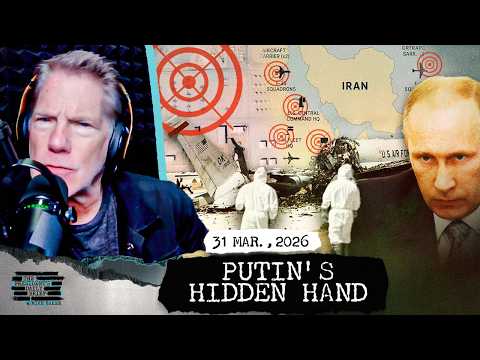
Did Russia Help Iran Strike U.S. Troops?
Summary
Recent developments indicate that Russia is providing Iran with intelligence and advanced drone technology to target U.S. assets in the Middle East. Claims from Ukrainian President Zelensky highlight that Russian satellites have been used to identify U.S. military positions, raising concerns about the depth of Moscow's support for Tehran.
Ukraine is finalizing long-term agreements with Gulf states to enhance regional air defense against drone threats, countering the Iranian capabilities bolstered by Russian assistance. Zelensky criticized U.S. sanctions on Russian oil, arguing that easing them contradicts efforts to curb Iranian aggression.
China is engaging with Taiwan's opposition leader to influence discussions ahead of the Trump-Xi summit, potentially diminishing U.S. influence in the region. This strategy aims to create internal divisions within Taiwan while presenting China as a cooperative partner.
The Trump administration is navigating complex geopolitical tensions, particularly regarding Cuba and Venezuela. Recent actions include the resumption of U.S. diplomatic presence in Venezuela and new economic measures to control the flow of Venezuelan resources.
Perspectives
Analysis of geopolitical dynamics involving Russia, Iran, and U.S. military strategy.
Proponents of U.S. Military Readiness
- Warns of the implications of Russian support for Iran on U.S. military operations
- Highlights the need for enhanced air defense partnerships in the Gulf
- Criticizes U.S. sanctions on Russian oil as contradictory to military objectives
Critics of U.S. Policy
- Accuses the U.S. of underestimating the impact of Russian-Iranian cooperation
- Questions the effectiveness of U.S. sanctions on adversarial regimes
- Denies that easing sanctions will stabilize global markets
Neutral / Shared
- Notes the interconnectedness of global military dynamics
- Acknowledges the complexities of U.S. diplomatic efforts in Venezuela
- Recognizes the dual-track approach of China in Taiwan
Metrics
injuries
at least a dozen American troops wounded units
casualties from the Iranian strike
This indicates a direct threat to U.S. personnel in the region.
an Iranian drone and missile attack on Prince Sultan Air Base in Saudi Arabia left at least a dozen American troops wounded
damage
severe damage to U.S. aircraft
impact of the Iranian strike
Damage to military assets can affect operational capabilities.
caused severe damage to U.S. aircraft
military_assets
destruction of a high-value airborne command and control platform
specific loss from the attack
Loss of command and control platforms can severely impact military operations.
including what appears to be the destruction of a high-value airborne command and control platform
value
billions USD
potential worth of agreements
Significant financial implications for regional defense capabilities.
Zelensky says those agreements could be worth billions
personnel
200 units
number of air defense specialists sent
Demonstrates Ukraine's commitment to regional security.
Ukraine has already sent more than 200 air defense specialists to the region
deliveries
730,000 barrels units
amount of crude oil delivered to Cuba
This delivery undermines U.S. sanctions and complicates its foreign policy.
the Russian flagged Anatolian collodkin, carrying roughly 730,000 barrels of crude, is already sitting in Cuban territorial waters.
other
179 USD
cost of health tracking app membership
This price point makes advanced health tracking more accessible.
access high-end concierge level care for only $179
other
7 years
duration of U.S. embassy closure in Venezuela
The reopening signifies a shift in U.S. foreign policy towards Venezuela.
after a seven-year absence
Key entities
Timeline highlights
00:00–05:00
Recent developments indicate that Russia is providing Iran with intelligence and advanced drone technology to target U.S. assets in the Middle East.
- Recent reports suggest Russia is supplying Iran with intelligence and drones to target U.S. assets in the Middle East, raising concerns about the extent of their cooperation
- An Iranian strike on Prince Sultan Air Base caused injuries to American personnel and damaged U.S. aircraft, highlighting the risks to U.S
- Ukrainian President Zelensky indicated that Russian satellites may be used to collect intelligence on U.S. facilities, potentially aiding Irans operations
- European officials warn that Russias support for Iran is more extensive than previously recognized by the U.S, indicating a need for better understanding of this alliance
- Despite U.S. officials minimizing the significance of Russian aid to Iran, there is evidence that Moscow is providing advanced drone technology to Tehran
- As Russia deepens its relationship with Iran, Ukraine is pursuing partnerships to enhance its defenses against drone threats, reflecting a strategic response to the changing security environment
05:00–10:00
Ukraine is finalizing long-term agreements with Saudi Arabia, Qatar, and the UAE to enhance regional air defense against drone and missile threats. Zelensky criticized the U.S.
- Ukraine is establishing long-term agreements with Saudi Arabia, Qatar, and the UAE to enhance regional air defense against drone and missile threats, potentially worth billions
- As Russia reportedly boosts Irans targeting capabilities, Ukraine is actively supporting Gulf states in their defense efforts
- Zelensky criticized the U.S. decision to ease sanctions on Russian oil, arguing it undermines efforts to counter Russian aggression
- The U.S. plan to permit the sale of Iranian oil stranded at sea could financially strengthen the Iranian regime
- China is positioning itself strategically by inviting Taiwans opposition leader to Beijing ahead of the Trump-Xi summit to influence discussions on U.S. policies
- The growing military cooperation between Russia and Iran presents significant challenges for U.S. operations in the Middle East
10:00–15:00
China is engaging with Taiwan's opposition leader to influence discussions ahead of the Trump-Xi summit, potentially diminishing U.S. influence in the region.
- China is engaging with Taiwans opposition leader to shape discussions before the Trump-Xi summit, potentially undermining U.S. influence
- Changli Woon is presenting his Beijing visit as a peace initiative, which could weaken Taiwans ties with the U.S, its main security ally
- Taiwans government faces pressure as bipartisan U.S. senators advocate for a substantial defense package
- Chinas strategy combines military pressure with a facade of negotiation, aiming to alter perceptions of U.S. involvement in the region
- The U.S. has permitted a sanctioned Russian oil tanker to deliver crude to Cuba, contradicting its energy blockade
- The arrival of the Russian tanker underscores the complexities in U.S. foreign policy, balancing pressure on Cuba with broader international relations
15:00–20:00
The Trump administration is navigating complex geopolitical tensions, particularly regarding Cuba and Venezuela. Recent actions include the resumption of U.S.
- The segment includes promotional content for health tracking apps and pet food products
20:00–25:00
The Trump administration is implementing economic measures to engage with Venezuela's resources while maintaining strict control over the process. New licenses from the Treasury Department allow American companies to trade Venezuelan minerals, but extraction and refining remain prohibited.
- The Trump administration is introducing economic measures to engage with Venezuelas resources while keeping tight control over the process, aiming to reshape the countrys economy to benefit U.S. interests
- New licenses from the Treasury Department permit American companies to trade Venezuelan minerals, but extraction and refining remain off-limits, indicating a cautious approach to U.S. involvement
- The U.S. is restoring its diplomatic presence in Venezuela after a suspension that lasted since 2019
- Restrictions are enforced to block participation from countries like China, Russia, and Iran in Venezuelas resource management, reflecting U.S. strategic interests
- Payments for Venezuelan resources will be managed through U.S.-controlled accounts, allowing Washington to oversee revenue flows directly
- The U.S. intends to influence investment decisions and prioritize sectors for Venezuelas reconstruction efforts