Venezuela's Political Transition
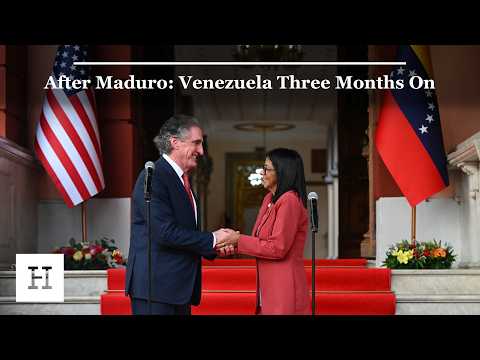
Ambassador James Story discusses the current political landscape in Venezuela following Nicolás Maduro's capture. He emphasizes the need for U.S. collaboration with the Democratic opposition to facilitate a political transition, highlighting the importance of addressing human rights and institutional building alongside economic recovery.
OPEN SOURCEAmbassador James Story discusses the current political landscape in Venezuela following Nicolás Maduro's capture. He emphasizes the need for U.S. collaboration with the Democratic opposition to facilitate a political transition, highlighting the importance of addressing human rights and institutional building alongside economic recovery.
Rodríguez's consolidation of power raises concerns about the regime's entrenchment. Story notes that personnel changes within the government do not indicate a genuine shift towards democracy, as the same actors remain in control, undermining the prospects for meaningful reform.
The recognition of Delcy Rodríguez as Venezuela's leader poses risks of legitimizing a regime lacking true democratic authority. Story stresses the urgency of initiating a transition phase to prevent the current government from consolidating power without accountability.
Labor protests and the mobilization of political figures like Juan Pablo Guanipa signal rising discontent among the populace. Story suggests that these movements could align with the Democratic opposition, presenting a potential challenge to the regime's stability.
U.S. oil policy inconsistencies complicate efforts to influence Venezuela. Story critiques the administration's approach, noting that allowing Russian and Iranian oil imports while restricting Venezuelan sales undermines credibility and effectiveness.
Rebuilding Venezuela's institutions will require significant financial investment and strategic planning. Story advocates for immediate actions to ensure free information flow and update voter rolls as essential steps towards a fair electoral process.
- Emphasizes collaboration with the Democratic opposition for political transition
- Calls for addressing human rights and institutional building alongside economic recovery
- Consolidates power through strategic personnel changes
- Maintains control over the military and key government positions
- U.S. oil policy inconsistencies complicate efforts to influence Venezuela
- Rebuilding institutions requires significant financial investment and strategic planning
- Ambassador James Story emphasizes the need for the U.S. to collaborate with the Democratic opposition in Venezuela to facilitate a political transition
- Story expresses concern over the recent personnel changes made by interim president Delcy Rodríguez, suggesting they may entrench the existing regime rather than promote genuine reform. This could deter international investment as companies remain wary of engaging with the same leadership responsible for past issues
- The appointment of Gustavo González López to lead the military raises alarms due to his history of human rights abuses, including involvement in the murder of a councilman. This indicates a troubling continuity of power among individuals with questionable records
- Story warns that the focus on economic recovery must not overshadow the critical need for human rights and democratic institution building in Venezuela. He argues that both areas require equal attention to ensure a successful transition
- The ongoing political dynamics suggest that the Rodríguez government may not be as vulnerable as some hope, given its recent consolidation of power. This situation poses a challenge for U.S
- Story highlights the importance of Maria Cudino Machados potential return to Venezuela, as her presence could significantly impact the political landscape. He believes she remains the most popular politician and could challenge Rodríguez effectively in elections
details
- Delcy Rodríguez is consolidating her power by replacing key military and cabinet positions, including appointing Gustavo González López as defense minister. This move raises concerns about the regimes continuity and the potential for further entrenchment of authoritarian practices
- The regimes strategy appears focused on maintaining control until the U.S. midterm elections, hoping for a divided government that could limit President Trumps actions in Venezuela
- Rodríguezs personnel changes indicate a prioritization of loyalty over democratic aspirations, as she fills positions with individuals from the same regime. This reinforces the notion that the current leadership is more about preserving the status quo than pursuing genuine reform
- The ongoing presence of over 500 political prisoners highlights the regimes disregard for human rights and the lack of meaningful progress towards democracy. The selective nature of the new amnesty law further illustrates the regimes unwillingness to address its abuses
- Despite some discussions about potential investments in Venezuela, the lack of movement on institutional and human rights reforms raises alarms about the future. If the current trajectory continues, the prospects for a democratic transition remain bleak
- The U.S. administrations shift from emphasizing the illegitimacy of Maduros regime to seeking stability under Rodríguez suggests a troubling compromise
details
- The decision to recognize Delcy Rodríguez as Venezuelas leader raises concerns about legitimizing a regime lacking true democratic authority. This could have long-term implications for the political landscape and international relations in the region
- There is a pressing need for a transition phase to ensure that the current government does not solidify its power without accountability. If significant progress isnt made by November, the U.S
- Re-establishing a national electoral commission and restoring political parties are critical steps for Venezuelas democratic future. Without these reforms, the regime may continue to manipulate electoral processes and disenfranchise voters
- The legitimacy conferred upon Rodríguez could lead to economic complications and legal challenges regarding assets like gold reserves held abroad. The resolution of sovereignty questions will be crucial for the return of these assets to Venezuela
- The fate of democratic actors, such as Miguel Pizarro, remains uncertain under the current regime, which poses risks for those advocating for democracy. Their safety and status in the U.S
- The U.S. strategy hinges on leveraging its control over oil flows to influence decision-making in Caracas
details
- The U.S. oil policy is inconsistent, permitting Iranian and Russian oil imports while restricting Venezuelan oil sales
- Delcy Rodríguezs administration is using distractions to maintain authority, despite Venezuelas limited oil output of about 1.1 million barrels per day. Restoring production to 1.5 million barrels will require substantial investment
- The U.S. maintains some influence over Venezuela through its control of oil exports, but this leverage may weaken as global energy demands shift
- Maria Corina Machados potential return to Venezuela could rally opposition support but also endanger her safety. The regimes security forces remain intact, posing a threat to her upon arrival
- Machados return might create a charged atmosphere, reminiscent of previous political events that mobilized public support. This could lead to mass celebrations that challenge the regimes stability
- The U.S. must carefully balance its support for opposition figures like Machado with the need to maintain stability in Venezuela
details
details
details
- Juan Pablo Guanipa is actively engaging the public despite legal challenges, signaling a growing opposition movement that could threaten the regime
- Labor groups are protesting stagnant wages and pensions, indicating rising discontent that may align with the democratic opposition against the government
- The regimes history of staging counter-protests during demonstrations raises concerns about potential violence, which could disrupt opposition momentum
- Venezuelas economic crisis is deepening, with many struggling to survive on low incomes, undermining the regimes support as it fails to meet socialist promises
- Maria Corina Machados potential return could mobilize public support and attract large crowds, posing a significant risk to the current administrations stability
- Washington is closely observing developments in Venezuela, particularly their implications for Cuba
details
details
details
details
- The January third event in Caracas is unlikely to inspire similar uprisings in regions where the regime is firmly established, indicating significant obstacles for future protests
- Negotiating with Fidel Castros successor could politically endanger figures like Secretary Rubio, potentially alienating his Florida support base
- Cubas economic focus on tourism and tobacco limits its strategic value to the U.S, raising questions about the rationale for U.S. engagement
- The current U.S. administration has demonstrated a lack of commitment to humanitarian issues, as shown by reductions in aid programs
- U.S. policy on oil shipments to Cuba appears inconsistent, particularly in light of the humanitarian situation
- The Shield of the Americas initiative seeks to unite regional governments against organized crime, but the fragmented nature of Latin America complicates these efforts
details
- Allowing unrestricted information flow into Venezuela could significantly enhance transparency and empower citizens against government censorship
- The current administrations emphasis on information control presents a major obstacle to progress, as addressing this could increase public awareness and resistance to oppression
- Building a wider coalition of nations is crucial for effectively addressing transnational crime, as excluding key players like Colombia weakens regional efforts
- The Shield of the Americas initiative aims to unify efforts against organized crime, but its effectiveness may be compromised without the involvement of essential partners
- Creating a clear set of priorities will enable the U.S. to better achieve its goals in Venezuela
details
- Setting clear priorities is vital for effective action, focusing on initiatives like ensuring free information flow and updating voter rolls
- Rebuilding Venezuelas institutions will be a lengthy process, but the country has a foundation of strong institutions that can aid recovery
- Without proper groundwork, announcing elections could result in negative consequences; conditions must be established for a fair electoral process
- A truth and reconciliation commission may be necessary to address historical grievances and promote national healing, aiding the transition to democracy
- Rebuilding Venezuela will require significant financial investment, estimated at 15 to 20 billion dollars, which is manageable compared to other expenditures
details
The assumption that U.S. intervention can effectively facilitate a political transition in Venezuela overlooks the entrenched power dynamics and the potential backlash from the current regime. Inference: The focus on economic recovery without addressing human rights may lead to further entrenchment of the regime, as the same actors remain in power, undermining the legitimacy of any transition efforts.
This analysis is an original interpretation prepared by Art Argentum based on the transcript of the source video. The original video content remains the property of the respective YouTube channel. Art Argentum is not responsible for the accuracy or intent of the original material.