Politics / United States
U.S.-Iran Relations and European Influence
Vice President JD Vance addressed the significance of educational institutions aligning with democratic values during his visit to Hungary. He emphasized the need for open debate and public safety, criticizing many Western academic institutions for not supporting the foundational values of Western civilization. Vance highlighted the importance of having institutions that foster excellence and are committed to the societal values that enable coexistence.
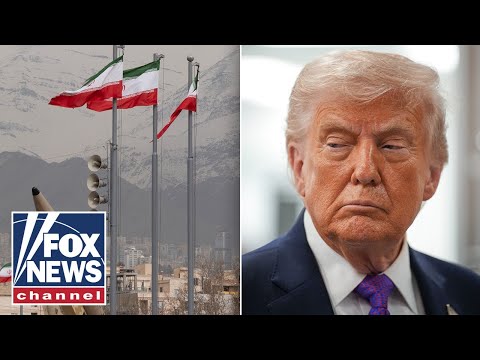
Source material: Trump is 'IMPATIENT' on progress, Vance warns Iran
Summary
Vice President JD Vance addressed the significance of educational institutions aligning with democratic values during his visit to Hungary. He emphasized the need for open debate and public safety, criticizing many Western academic institutions for not supporting the foundational values of Western civilization. Vance highlighted the importance of having institutions that foster excellence and are committed to the societal values that enable coexistence.
Vance raised concerns about foreign influence in U.S. elections, particularly from Ukraine and the European Union. He argued that threats from foreign governments undermine the sovereignty of nations, including Hungary, and called for a rejection of such influences. He asserted that the U.S. respects Hungary's sovereignty and would never threaten it in the same manner as other foreign actors.
The Vice President discussed the ongoing conflicts in Ukraine and Iran, expressing disappointment in European political leadership for not actively seeking peace. He noted that while the U.S. has made progress in negotiations, the complexities of international relations hinder swift resolutions. Vance underscored the necessity of understanding both sides of a conflict to achieve lasting peace.
Vance criticized European dependence on unreliable energy sources, arguing that this undermines their security and prosperity. He pointed out the stark contrast between energy costs in the U.S. and Europe, attributing the differences to policy choices rather than chance. He expressed hope that European leaders would reassess their strategies to enhance economic stability.
Perspectives
Analysis of U.S.-Iran relations and European influence.
Vice President JD Vance
- Emphasizes the need for educational institutions to align with democratic values
- Criticizes foreign influence in elections as an assault on sovereignty
- Calls for rejection of foreign threats to maintain electoral independence
- Expresses disappointment in European leadership for not pursuing peace
- Highlights the need for understanding both sides in conflict resolution
- Critiques European energy policies for undermining security and prosperity
Critics of Vance's Position
- Argue that educational institutions should maintain independence from political influence
- Claim that foreign influence can be a legitimate aspect of international relations
- Highlight the complexities of negotiating with a fractured Iranian leadership
Neutral / Shared
- Discusses the ongoing geopolitical tensions in the Middle East
- Mentions the complexities of international diplomacy
Metrics
students
more than 8,000 students units
total number of students at MCC
This figure highlights the scale of the institution's impact on education.
we have more than 8,000 students in 30 centers
advertising
$500,000 USD
Russian government Facebook advertisements during the 2016 campaign
This highlights the scale of foreign influence in elections.
the Russian government bought like $500,000 of Facebook advertisements during the 2016 campaign.
duration
14 months
duration of the Ukraine conflict
This highlights the prolonged nature of the conflict and the challenges in reaching a resolution.
we've been at it for now 14 months
energy_costs
four times, five times, six times
comparison of electricity costs between the U.S. and the U.K.
This disparity highlights the economic challenges faced by U.K. families.
UK families are paying four times, five times, six times what United States citizens are paying for electricity.
military_strength
decimate the Iranian military
U.S. military objective regarding Iran
This objective is crucial for establishing a ceasefire and regional stability.
the president set out to do was decimate the Iranian military
ceasefire_duration
eight to 12 hours old hours
duration of the fragile truce
The short duration indicates the instability of the agreement.
this fragile truce that we have, which is now eight to 12 hours old.
military_objectives
our military objectives have largely been met
U.S. military objectives regarding Iran
This indicates a significant shift in U.S. strategy towards Iran.
our military objectives have largely been met
ceasefire_stability
some Iranians have responded favorably to what he calls a fragile truce
Iran's response to the ceasefire
This highlights the precarious nature of the ceasefire agreement.
some Iranians have responded favorably to what he calls a fragile truce
Key entities
Timeline highlights
00:00–05:00
Vice President JD Vance emphasized the importance of educational institutions aligning with democratic values to foster open debate and public safety. He raised concerns about foreign interference in U.S.
- Vice President JD Vance highlighted the need for educational institutions like MCC to embody the values of their supporting societies, which is essential for promoting open debate and ensuring public safety
- Vance pointed out the gap between Western academic institutions and the democratic principles they are meant to uphold, arguing that these institutions often jeopardize the civilization that sustains them while still relying on public funding
- He raised concerns about foreign interference in U.S. elections, referencing previous allegations of such activities
- Vance expressed concern over threats made by Ukrainian President Zelensky against Hungarys Prime Minister, deeming these actions unacceptable and indicative of the complexities in international relations
- The discussion included the Dhrushba pipeline, which carries oil from Ukraine to Hungary, reflecting growing worries about energy security and geopolitical stability in the region
- Vances visit to Hungary represents a commitment to strengthening international ties and addressing common foreign policy challenges
05:00–10:00
The Vice President highlighted the threats to Hungary's sovereignty from foreign influences, particularly from the EU and Ukraine, which he argues undermine democratic processes. He emphasized the importance of rejecting these influences to maintain electoral independence and foster peace.
- The Vice President argues that foreign threats from the EU and Ukraine against Hungary are often ignored, which undermines Hungarys sovereignty and electoral independence. He contrasts this with the U.S
- Vance views Viktor Orbán as a crucial ally for peace, claiming his stance on the Russia-Ukraine conflict is more constructive than that of other European leaders. Understanding both perspectives is vital for achieving a peaceful resolution
- He rejects the narrative linking his support for Orbán to foreign influence, framing it instead as an acknowledgment of effective leadership. This distinction is key for fostering meaningful discussions on peace and cooperation
- The Vice President warns of foreign attempts to sway Hungarian elections through economic coercion and influence operations, which threaten Hungarys democratic integrity. This situation demands a strong response from Hungarian citizens
- His visit to Hungary, occurring just before an election, underscores the urgency of addressing misinformation and foreign interference that jeopardize the countrys sovereignty
10:00–15:00
The ongoing conflicts in Iran and Ukraine highlight the urgent need for peace negotiations, particularly from the U.S. perspective.
- The ongoing conflicts in Iran and Ukraine emphasize the need for urgent peace negotiations, particularly from the U.S. perspective
- Disappointment in European political leadership has hindered effective responses to the Ukraine conflict, causing frustration in the U.S
- Recent negotiations have seen both Russia and Ukraine clarify their positions, suggesting that a peaceful resolution may be within reach
- Victor Orbáns role in facilitating dialogue among the U.S, Russia, and Ukraine highlights the necessity of understanding multiple viewpoints for peace
- Concerns about Europes energy dependence on Russia challenge the narrative of Russia as a major national security threat
- While the U.S. remains dedicated to supporting Europe, there are notable disagreements with its current political leadership
15:00–20:00
The U.S. has successfully diminished Iran's military capabilities, leading to a ceasefire agreement that aims to enhance regional stability.
- The U.S. has significantly diminished Irans military strength, paving the way for a potential ceasefire that could enhance regional stability
- Iran has agreed to a ceasefire, promising to open the straits in return for halting U.S. and allied military actions
- Internal divisions in Iran regarding the ceasefire reveal a mix of support and misinformation, indicating challenges for maintaining the truce
- The U.S. negotiating team is directed to conduct discussions with Iran in good faith
- There is a notable difference in energy costs between the U.S. and the U.K
- Criticism of European leadership arises from a desire for Europe to succeed and avoid significant errors
20:00–25:00
The President has emphasized the need for good faith negotiations with Iran, warning that impatience could lead to a more aggressive U.S. response.
- The President has emphasized the importance of negotiating in good faith with Iran, indicating that impatience for progress is a key aspect of his approach. This suggests that failure to engage constructively could lead to a more aggressive U.S
- The Vice President highlighted that while some Iranian officials have responded positively to the ceasefire, there are factions within Iran that are spreading misinformation about the agreement. This internal division raises concerns about the stability and longevity of the truce
- Victoria Coates noted that the U.S. military objectives regarding Iran have largely been achieved, neutralizing threats to American citizens
- The discussion pointed out the uncertainty surrounding Irans leadership and its ability to make cohesive decisions post-conflict. This fragmentation could complicate any agreements made and affect the future of U.S.-Iran relations
- The Vice Presidents remarks on European leadership reflect a growing frustration with their lack of support during the conflict. This dissatisfaction may lead to a reevaluation of the U.S.-Europe relationship moving forward
- Coates warned that if Iran attempts to cheat or prolong negotiations, the U.S. is prepared to take further military action
25:00–30:00
Vice President JD Vance emphasized the importance of good faith negotiations with Iran to achieve a lasting ceasefire. He expressed concerns about the uncertainty in Iran's leadership and the lack of support from European leaders during the conflict.
- Vice President JD Vance stressed the need for good faith negotiations with Iran to secure a lasting ceasefire, highlighting the urgency of progress
- Victoria Coates indicated that U.S. military goals regarding Iran have been largely fulfilled, reducing threats to American citizens
- Vance pointed out the uncertainty in Irans leadership, suggesting that internal divisions could hinder effective negotiations and agreement finalization
- Coates noted that the ongoing conflict has intensified existing issues within Iran, creating potential instability and uncertainty about its governance and response to the ceasefire
- Vance criticized the lack of support from European leaders during the conflict, signaling a potential reevaluation of U.S.-European relations that could affect future military strategies
- The discussions between President Biden and European leaders are anticipated to be difficult, reflecting Vances growing frustration with their actions during the crisis