Politics / United Arab Emirates
Chemical Weapons Concerns in Sudan
The procurement of 800 tons of chlorine gas by military entities in Sudan raises significant concerns regarding its potential military applications. This situation, coupled with previous allegations of chemical weapon use, suggests a troubling escalation in military tactics amidst ongoing conflict.
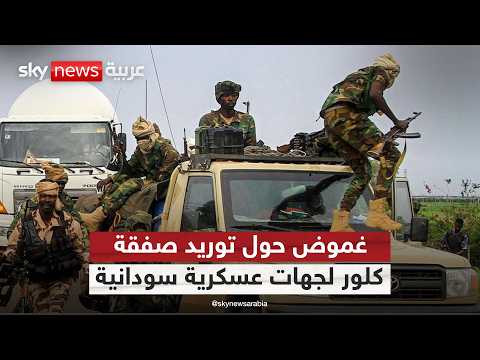
Source material: ملف الكيماوي يعود للواجهة.. جهات عسكرية في السودان تطلب كميات ضخمة من غاز الكلور
Summary
The procurement of 800 tons of chlorine gas by military entities in Sudan raises significant concerns regarding its potential military applications. This situation, coupled with previous allegations of chemical weapon use, suggests a troubling escalation in military tactics amidst ongoing conflict.
Reports indicate the use of chemical weapons in urban areas of Sudan, raising humanitarian concerns. The involvement of Islamist factions in humanitarian discussions may indicate ulterior motives, complicating the narrative around the humanitarian crisis and the true intent behind chemical weapon usage.
Allegations of chemical weapon usage in Sudan have been substantiated by various reports, highlighting the dire implications for civilian safety. The military's control over chlorine gas procurement raises questions about accountability and oversight in conflict zones.
Perspectives
short
Proponents of Military Accountability
- Highlight concerns over the militarys procurement of chlorine gas
- Argue that the quantity exceeds local needs, indicating potential military use
- Emphasize the historical context of chemical weapon allegations in the region
Defenders of Military Actions
- Question the motives behind allegations of chemical weapon use
- Suggest that military procurement processes are complex and multifaceted
Neutral / Shared
- Acknowledge the lack of transparency in the procurement process
- Recognize the humanitarian implications of chemical weapon usage
- Note the involvement of various factions in the ongoing conflict
Metrics
other
50,000 people
estimated casualties
This figure highlights the severe human cost of the ongoing conflict.
the government has said that 50,000 people are killed in the retreat
Key entities
Timeline highlights
00:00–05:00
The procurement of 800 tons of chlorine gas by military entities in Sudan raises concerns about its potential use in warfare, significantly exceeding local needs. This situation, coupled with allegations of chemical weapon usage, suggests a troubling trend in military tactics and implications for international relations.
- The procurement of 800 tons of chlorine gas by military entities in Sudan raises serious concerns about its potential use in warfare, as this amount significantly exceeds Khartoums actual needs
- Military oversight of the chlorine gas supply heightens fears of its application in combat, indicating a troubling trend towards lethal force amid ongoing conflicts
- U.S. intelligence reports have previously confirmed the use of chemical weapons in Sudan, suggesting a dangerous escalation in military tactics
- The opaque nature of the chlorine gas procurement process is concerning, especially with military control over distribution, raising the possibility of repurposing chlorine for warfare
- This procurement coincides with allegations of chemical weapon usage in Sudan, complicating the justification for military needs and suggesting a strategic enhancement of military capabilities
- The situation poses broader implications for international relations, particularly regarding Sudans adherence to chemical weapons treaties, and raises concerns about potential corruption and the resurgence of modern warfare tactics
05:00–10:00
The procurement of 800 tons of chlorine gas by military entities in Sudan raises significant concerns regarding its potential military applications. This situation, coupled with previous allegations of chemical weapon use, suggests a troubling escalation in military tactics amidst ongoing conflict.
- The procurement of 800 tons of chlorine gas raises serious concerns due to its excessive quantity, suggesting potential military applications given the involvement of military entities in the process
- Military control over chlorine supplies raises alarms about its possible use as a chemical weapon, especially as traditional combat methods have proven ineffective in the ongoing conflict
- U.S. intelligence has previously substantiated allegations of chemical weapon use in Sudan, documenting instances of chlorine deployment in combat zones
- The timing of this procurement aligns with military leaders calls for lethal force, indicating a shift towards more aggressive tactics that could escalate the ongoing war and worsen humanitarian conditions
- The lack of transparency in the chlorine procurement process raises suspicions about its intended use, necessitating scrutiny to prevent potential misuse against civilians
- The involvement of military authorities in a civilian-led water purification effort highlights governance and accountability issues in Sudan, reflecting broader concerns of corruption and mismanagement
10:00–15:00
Reports indicate the use of chemical weapons in urban areas of Sudan, raising humanitarian concerns. The procurement of 800 tons of chlorine gas suggests potential military applications, increasing fears of its deployment as a lethal weapon.
- Reports indicate that chemical weapons are being used in urban areas of Sudan, raising humanitarian concerns and the risk of escalating violence
- The procurement of 800 tons of chlorine gas exceeds Khartoums needs, suggesting potential military use and increasing fears of it being deployed as a lethal weapon
- The response of Port Sudan authorities to international scrutiny, particularly their protests against the Berlin Conference, seems designed to distract from their military involvement
- Ground evidence supports claims of chemical weapon use, highlighting the need for urgent international monitoring to prevent further atrocities
- Military leaders in Sudan are advocating for the use of chemical weapons, reflecting a shift towards more lethal tactics amid failures in traditional combat
- The involvement of Islamist factions in humanitarian discussions raises concerns about their true intentions and complicates the ongoing humanitarian crisis