Politics / United Arab Emirates
Unclear topic
The U.S. has implemented a maritime blockade against Iran, targeting its activities in the Strait of Hormuz. The U.S. has escalated tensions with Iran through maritime sanctions and a blockade, aiming to disrupt Iranian activities in the Strait of Hormuz.
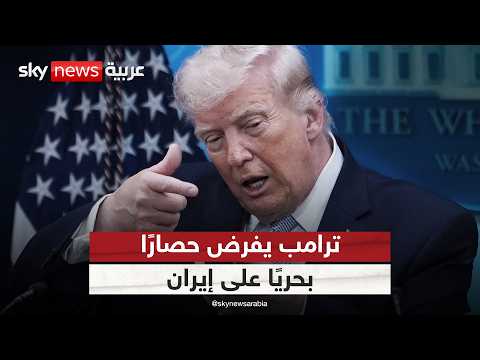
Source material: هرمز تحت السيطرة الأميركية.. هل خسرت إيران أخطر أوراقها؟
Summary
The U.S. has implemented a maritime blockade against Iran, targeting its activities in the Strait of Hormuz. The U.S. has escalated tensions with Iran through maritime sanctions and a blockade, aiming to disrupt Iranian activities in the Strait of Hormuz.
The U.S. is enforcing a maritime blockade on Iran, which includes destroying mines and penalizing ships that interact with Iranian interests. The U.S. is intensifying its maritime blockade against Iran in the Strait of Hormuz, increasing the risk of renewed conflict.
Perspectives
LLM output invalid; stored Stage4 blocks + metrics only.
Key entities
Timeline highlights
00:00–05:00
The U.S. has implemented a maritime blockade against Iran, targeting its activities in the Strait of Hormuz.
- The U.S. has initiated a maritime blockade against Iran, specifically targeting its activities in the Strait of Hormuz
- The blockade involves destroying mines placed by Iran and imposing penalties on ships that interact with Iranian interests. This action reflects a tougher U.S
- Irans military capabilities are under scrutiny as the U.S. prepares to counter any potential military actions from Iran
- Closing the Strait of Hormuz would greatly impact global oil supplies, particularly for countries dependent on Gulf oil. This situation raises tensions not only with Iran but also with nations like China and India that rely on these shipping routes
- Iran seems to be relying on its military strength to negotiate from a position of power. However, the U.S
- The ongoing conflict could force Iran to reassess its approach to international negotiations. Losing leverage in the Strait may weaken Irans ability to negotiate effectively in future diplomatic discussions
05:00–10:00
The U.S. has escalated tensions with Iran through maritime sanctions and a blockade, aiming to disrupt Iranian activities in the Strait of Hormuz.
- The U.S. Presidents announcement of maritime sanctions against Iran marks a significant escalation in tensions, indicating a tougher stance on Iranian activities
- The U.S. plans to destroy mines placed by Iran and penalize ships engaging with Iranian interests, which could disrupt regional trade
- Negotiations have stalled due to Irans unwillingness to compromise, prolonging conflict and instability in the Middle East
- The declaration of a blockade represents a shift in U.S. strategy towards Iran, emphasizing a more aggressive approach
- Irans inability to effectively leverage its negotiating position may have severe repercussions for its economy and regional influence, particularly in oil exports
- The Strait of Hormuz is a critical shipping route for global oil supplies, and any military conflict there could significantly impact international trade and security
10:00–15:00
The U.S. is enforcing a maritime blockade on Iran, which includes destroying mines and penalizing ships that interact with Iranian interests.
- The U.S. is enforcing a maritime blockade on Iran, which includes destroying mines and penalizing ships that interact with Iranian interests
- Concerns exist regarding Irans military response to the blockade, particularly in the strategic Strait of Hormuz. Any aggressive actions by Iran could escalate tensions further
- International cooperation is essential for the blockades effectiveness, as the involvement of other nations may help stabilize the region. This collaboration could prevent additional military confrontations
- The current negotiations and military posturing represent a pivotal moment in U.S.-Iran relations. The outcomes of these developments could alter the geopolitical dynamics in the Middle East
- Experts believe Irans strategic options are narrowing, and continued resistance may lead to greater isolation. The pressure from the blockade might compel Iran to reassess its position in future diplomatic discussions
15:00–20:00
The U.S. is intensifying its maritime blockade against Iran in the Strait of Hormuz, increasing the risk of renewed conflict.
- The U.S. is increasing the likelihood of renewed conflict with Iran through its maritime blockade in the Strait of Hormuz
- Countries like France are trying to keep diplomatic channels open with Iran amid rising hostilities. This reflects a complex international landscape where nations are balancing their interests against U.S.-Iran tensions
- Both the U.S. and Iran are expected to pursue negotiations to reduce tensions, as each side has a strong interest in avoiding conflict
- The maritime blockade is set to commence soon, with international cooperation aimed at countering illegal Iranian activities. This move highlights the seriousness of the situation and the potential for increased military presence in the region
- European nations are facing challenges in responding to Irans actions, which are viewed as violations of maritime law. These violations may prompt a reassessment of Europes engagement with Iran and its nuclear ambitions
- Irans negotiating power is diminishing as the U.S. intensifies efforts to neutralize its nuclear capabilities
20:00–25:00
The U.S. is implementing a maritime blockade in the Strait of Hormuz to reduce Iran's regional influence and military capabilities.
- The U.S. is significantly reducing Irans regional influence by implementing a maritime blockade in the Strait of Hormuz
- By targeting mines and penalizing vessels associated with Iran, the U.S. aims to diminish Irans military capabilities
- The actions taken by the U.S. are contributing to rising fuel prices, which affect both the American economy and global markets
- Irans ability to use energy resources as leverage is declining as the U.S. tightens its control
- The U.S. is preparing to deploy naval forces to enforce the blockade, indicating a high potential for military escalation
- European nations face a challenging situation as they try to balance their economic interests with the need to respond to U.S. policies regarding Iran
25:00–30:00
The U.S. has intensified its maritime blockade against Iran, aiming to disrupt its oil exports and military capabilities.
- The U.S. has escalated its maritime blockade against Iran to disrupt its oil exports and military capabilities, which could lead to increased tensions in the region
- Irans leverage in negotiations is diminishing as the U.S. tightens its control over its oil exports
- Gulf states are exploring alternative energy sources due to the ongoing conflict, complicating their contracts with Iran and potentially escalating the energy crisis in Europe and Asia
- The U.S. expects Arab nations to back its initiatives against Iran, but there is doubt about their commitment to engage actively
- European nations are raising concerns about the legality of U.S. military actions in the region, highlighting the necessity for diplomatic resolutions
- There is a growing potential for military collaboration between the U.S. and its allies, though its effectiveness remains uncertain