Politics / Indonesia
Iran's Position in the US Conflict
Iran claims to have gained the upper hand in its conflict with the United States, asserting that the U.S. has failed to meet its military objectives since the escalation began on February 28, 2016. The of the Iranian Parliament, Mohammad Bagher Ghalibaf, emphasized Iran's control over the strategically important Strait of Hormuz, a critical point in the ongoing conflict.
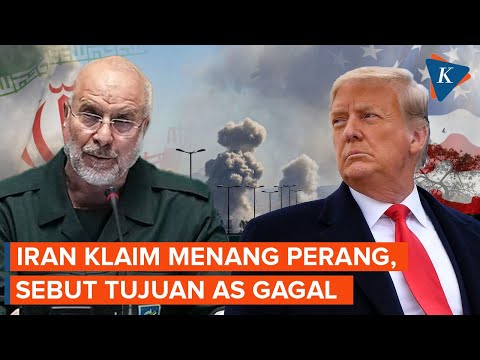
Source material: Iran Claims Victory in War, Says US Failed to Achieve Goals
Summary
Iran claims to have gained the upper hand in its conflict with the United States, asserting that the U.S. has failed to meet its military objectives since the escalation began on February 28, 2016. The of the Iranian Parliament, Mohammad Bagher Ghalibaf, emphasized Iran's control over the strategically important Strait of Hormuz, a critical point in the ongoing conflict.
Ghalibaf stated that Iran's readiness to consider a ceasefire depends on the U.S. fulfilling Iran's demands, framing the negotiations as a strategy to safeguard Iranian interests. While a temporary ceasefire is in place for two weeks, the prospects for a permanent agreement remain uncertain, with significant issues still unresolved between the two sides.
Recent closed-door discussions between Iranian officials and U.S. representatives in Islamabad represent a rare instance of direct communication since the Iranian Revolution in 1979, but no conclusive agreement has been reached.
Perspectives
short
Iran
- Claims to have gained the upper hand in the conflict with the US
- States that US has failed to achieve its military objectives
United States
- Has not been able to provide military service effectively
- Negotiations remain unresolved, indicating ongoing challenges
Neutral / Shared
- Temporary ceasefire in place for two weeks
- Recent discussions in Islamabad mark rare direct communication
Key entities
Timeline highlights
00:00–05:00
Iran claims to have gained the upper hand in its conflict with the United States, asserting that the U.S. has failed to meet its military objectives.
- Iran asserts it has gained the upper hand in its conflict with the United States, claiming the U.S. has not met its military objectives since the escalation began on February 28, 2016
- The Speaker of the Iranian Parliament, Mohammad Bagher Ghalibaf, highlighted Irans control over the strategically important Strait of Hormuz, a critical point in the ongoing conflict
- Ghalibaf stated that Irans readiness to consider a ceasefire depends on the U.S. fulfilling Irans demands, framing the negotiations as a strategy to safeguard Iranian interests
- While a temporary ceasefire is in place for two weeks, the prospects for a permanent agreement remain uncertain, with significant issues still unresolved between the two sides
- Recent closed-door discussions between Iranian officials and U.S. representatives in Islamabad represent a rare instance of direct communication since the Iranian Revolution in 1979, but no conclusive agreement has been reached