Politics / Indonesia
U.S. Blockade on Iran
U.S. military leaders claim to have fully enforced a blockade on maritime trade with Iran, asserting that this was achieved within 36 hours of implementation. CENTCOM's head, Brad Cooper, emphasized the blockade's immediate effect on controlling economic activities in the region. However, tracking data indicates that several vessels, including those departing from Iran, continue to navigate through strategic waterways.
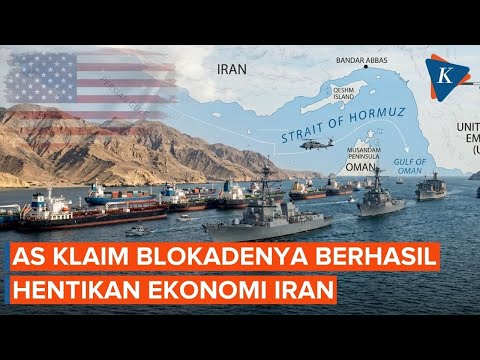
Source material: CENTCOM Klaim Blokade ke Iran Sepenuhnya Diterapkan
Summary
U.S. military leaders claim to have fully enforced a blockade on maritime trade with Iran, asserting that this was achieved within 36 hours of implementation. CENTCOM's head, Brad Cooper, emphasized the blockade's immediate effect on controlling economic activities in the region. However, tracking data indicates that several vessels, including those departing from Iran, continue to navigate through strategic waterways.
The blockade's enforcement raises questions about the U.S. military's ability to monitor all maritime activities effectively. Reports from trade analysis firms suggest that some ships, potentially carrying Iranian products or under U.S. sanctions, have been observed traversing the Strait of Hormuz. This ongoing maritime activity challenges the assertion of complete control over the region.
Concerns about the blockade's effectiveness stem from the possibility of untracked vessels evading enforcement measures. The geopolitical implications of continued Iranian maritime operations further complicate the situation, as they may undermine the intended deterrent effect of the blockade. The U.S. military's claims of dominance in the region face scrutiny due to these developments.
Perspectives
short
U.S. Military
- Claims to have fully enforced a blockade on maritime trade with Iran
- Asserts that the blockade was implemented within 36 hours
- Emphasizes control over economic activities in the region
Trade Analysis Firms
- Report ongoing maritime activity of vessels from Iran
- Indicate that some ships are carrying Iranian products
- Challenge the effectiveness of the blockade due to untracked vessels
Neutral / Shared
- Highlight the geopolitical implications of continued Iranian maritime operations
- Question the U.S. militarys ability to monitor all maritime activities
Key entities
Timeline highlights
00:00–05:00
The U.S. military claims to have fully enforced a blockade on maritime trade with Iran, asserting maritime dominance in the region.
- The U.S. military asserts that it has fully enforced a blockade on maritime trade with Iran within 36 hours of its launch
- Brad Cooper, head of CENTCOM, stated that the blockade has established U.S. maritime dominance in the Middle East
- Tracking data shows that several vessels, including those from Iran, are still navigating the Strait of Hormuz despite the blockade. This adds to doubts about the effectiveness of the blockades enforcement
- The U.S. military has deployed over 10,000 personnel along with numerous warships and aircraft for the blockade operation
- The blockade is reportedly applied to all vessels, regardless of their origin, entering or leaving Iranian ports. This broad enforcement is designed to maintain maritime freedom in the Strait of Hormuz
- Concerns emerged on the second day of the blockade as tracking data revealed ships still traversing the Strait, some carrying Iranian goods. These findings could challenge the blockades intended impact and effectiveness
05:00–10:00
The U.S. military asserts that it has fully implemented a blockade on maritime trade with Iran within 36 hours.
- The U.S. military claims to have fully implemented a blockade on maritime trade with Iran within 36 hours, asserting control over the region