Politics / India
Germany-Russia Relations and NATO's Response
Germany's foreign ministry summoned the Russian ambassador due to explicit threats against German targets, reflecting escalating tensions between Russia and Europe. This diplomatic action underscores Germany's commitment to not be intimidated by Russian threats and highlights broader concerns among NATO allies.
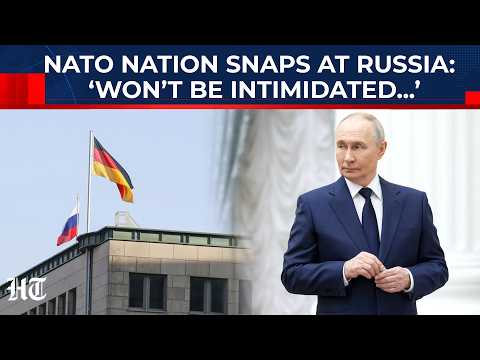
Source material: Putin Threatens NATO Nation Directly? Germany Summons Moscow Envoy Over 'Unacceptable' Warning | War
Summary
Germany's foreign ministry summoned the Russian ambassador due to explicit threats against German targets, reflecting escalating tensions between Russia and Europe. This diplomatic action underscores Germany's commitment to not be intimidated by Russian threats and highlights broader concerns among NATO allies.
The threats are associated with a list from Russia's defense ministry that names German companies involved in supporting Ukraine's drone production, implying potential targeting of these firms. Since the onset of the war in 2022, NATO members, including Germany, have provided substantial military, political, and economic support to Ukraine.
Despite ongoing assistance, there is increasing fatigue among European populations regarding aid to Ukraine, complicating efforts to sustain public support. Other European nations, such as the Czech Republic, have also expressed concern over the threats, highlighting a wider regional apprehension about Russian hybrid threats.
European NATO members are strengthening military and cyber defenses in response to potential Russian threats, particularly in light of ongoing support for Ukraine. Germany's summoning of the Russian ambassador and the Czech Republic's demand for clarification reflect both national responses and broader EU political dynamics.
Perspectives
short
Germany and NATO's Response
- Summons Russian ambassador to assert sovereignty and address threats
- Strengthens military and cyber defenses in response to Russian aggression
Russia's Position
- Issues threats linked to support for Ukraine, targeting European companies
- Maintains a stance of aggression towards NATO member states
Neutral / Shared
- European nations face public fatigue regarding ongoing support for Ukraine
- Diplomatic actions reflect both national interests and broader EU dynamics
Key entities
Timeline highlights
00:00–05:00
Germany's foreign ministry summoned the Russian ambassador due to explicit threats against German targets, reflecting escalating tensions between Russia and Europe. This diplomatic action underscores Germany's commitment to not be intimidated by Russian threats and highlights broader concerns among NATO allies.
- Germanys foreign ministry summoned the Russian ambassador following explicit threats against German targets, indicating rising tensions between Russia and Europe
- This diplomatic action demonstrates Germanys determination not to be intimidated by Russian threats and reinforces its position within Europe
- The threats are associated with a list from Russias defense ministry that names German companies involved in supporting Ukraines drone production, implying potential targeting of these firms
- Since the onset of the war in 2022, NATO members, including Germany, have provided substantial military, political, and economic support to Ukraine
- Despite ongoing assistance, there is increasing fatigue among European populations regarding aid to Ukraine, which complicates efforts to sustain public support
- Other European nations, such as the Czech Republic, have also expressed concern over the threats, highlighting a wider regional apprehension about Russian hybrid threats
05:00–10:00
Germany has summoned the Russian ambassador in response to threats against its territory, reflecting heightened tensions with Russia. This action is part of a broader strategy among NATO members to bolster military and cyber defenses amid ongoing support for Ukraine.
- European NATO members are strengthening military and cyber defenses in response to potential Russian threats, particularly in light of ongoing support for Ukraine
- Germanys summoning of the Russian ambassador and the Czech Republics demand for clarification reflect both national responses and broader EU political dynamics
- The war in Ukraine has prompted a dual focus on enhancing national security and developing collective European strategies, as countries balance military support with public sentiment on aid
- Future discussions among European nations regarding the war in Ukraine will likely consider both national interests and a unified approach, highlighting the interconnectedness of their foreign policy