Politics / India
Shipping Fraud and Military Tensions in the Strait of Hormuz
A Greek maritime risk firm has raised alarms about a shipping scam in the Strait of Hormuz, where fraudulent messages solicit cryptocurrency payments for false promises of safe passage. This scam has emerged amid heightened tensions and a US-led naval blockade, which has faced criticism for its ineffectiveness in controlling shipping in the region.
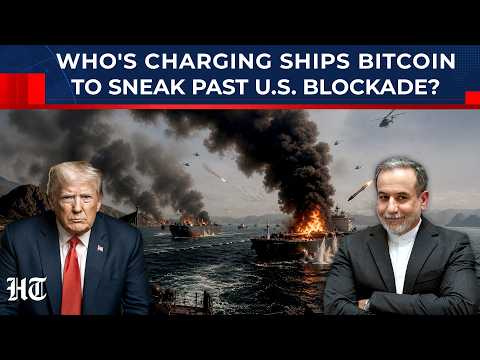
Source material: Headache for Trump: Ships Duped into Bitcoin Payments for Hormuz Access, Then Blasted by IRGC Fire?
Summary
A Greek maritime risk firm has raised alarms about a shipping scam in the Strait of Hormuz, where fraudulent messages solicit cryptocurrency payments for false promises of safe passage. This scam has emerged amid heightened tensions and a US-led naval blockade, which has faced criticism for its ineffectiveness in controlling shipping in the region.
At least one vessel that was attacked may have been deceived by these fraudulent communications, which falsely offered clearance through the strait in exchange for Bitcoin or Tether. Despite claims of a stringent blockade, data indicates that several Iranian-linked vessels have successfully traversed the Strait of Hormuz, challenging US assertions of control.
The situation underscores the complexities of maritime security in the region, where Iran's shadow fleet continues to operate, facilitating oil and gas exports despite international sanctions. As the ceasefire deadline nears, Trump is reportedly reluctant to extend the truce with Iran, raising concerns about the ongoing negotiations.
Iran has not officially confirmed its participation in the upcoming peace talks but has indicated to mediators a willingness to send a delegation, suggesting potential openness to diplomacy. Trump's public remarks have complicated negotiations, occurring at a critical juncture when talks were close to a breakthrough.
Perspectives
short
Iranian Government
- Condemns US military actions as piracy and threatens retaliation
- Claims that the US violated the ceasefire agreement
US Government
- Justifies military actions as necessary to enforce the blockade
- Claims that the Iranian vessel was attempting to breach US sanctions
Neutral / Shared
- Reports indicate that several Iranian-linked vessels have successfully traversed the Strait of Hormuz
Metrics
other
at least 26 ships units
ships connected to Iran's shadow fleet bypassing the US blockade
This indicates significant evasion of US maritime restrictions
at least 26 ships connected to Iran's so-called shadow fleet are reported to have bypassed the US blockade
other
900 feet
length of the Iranian-flagged cargo ship Tuska
The size of the vessel indicates its capacity and potential impact in maritime operations
an Iranian-flagged cargo ship named Tuska nearly 900 feet long
Key entities
Timeline highlights
00:00–05:00
A Greek maritime risk firm has warned of a scam in the Strait of Hormuz, where fake messages solicit cryptocurrency payments for false promises of safe passage. At least one vessel that was attacked may have been deceived by these fraudulent communications.
- Marisks, a Greek maritime risk firm, has issued warnings about a scam in the Strait of Hormuz, where fake messages are soliciting cryptocurrency payments with false promises of safe passage
- This scam has surfaced amid heightened tensions and a US-led naval blockade, which has faced criticism for its ineffectiveness in controlling shipping in the region
- At least one vessel that was attacked may have been deceived by these fraudulent communications, which falsely offered clearance through the strait in exchange for Bitcoin or Tether
- Despite claims of a stringent blockade, data indicates that several Iranian-linked vessels have successfully traversed the Strait of Hormuz, challenging US assertions of control
- The situation underscores the complexities of maritime security in the region, where Irans shadow fleet continues to operate, facilitating oil and gas exports despite international sanctions
05:00–10:00
A Greek maritime risk firm has alerted shipowners about scams in the Strait of Hormuz, where fake messages solicit cryptocurrency for false promises of safe passage. At least one vessel that was attacked may have been misled by these fraudulent communications.
- As the ceasefire deadline nears, Trump is reportedly reluctant to extend the truce with Iran, raising concerns about the ongoing negotiations
- Iran has not officially confirmed its participation in the upcoming peace talks but has indicated to mediators a willingness to send a delegation, suggesting potential openness to diplomacy
- Trumps public remarks have complicated negotiations, occurring at a critical juncture when talks were close to a breakthrough
- Irans military capabilities remain robust, highlighted by a recent video showcasing its missile and drone infrastructure, with officials claiming an accelerated pace of arms replenishment during the ceasefire
- US intelligence reports suggest that Iran possesses thousands of ballistic missiles, which could be deployed despite the ongoing conflict, raising concerns about its strike capacity
10:00–15:00
A Greek maritime risk firm has warned that shipowners are being targeted by scams in the Strait of Hormuz, where fake messages solicit cryptocurrency for false promises of safe passage. At least one vessel that later came under gunfire may have acted on these fraudulent communications.
- The US military seized the Iranian vessel Tuska on April 19 for allegedly attempting to breach a US blockade, resulting in a confrontation that disabled the ship
- Iran condemned the US action as piracy, threatening retaliation and claiming it violated a fragile ceasefire
- The Pentagon is reportedly negotiating with major US automakers to repurpose production lines for military use due to concerns over dwindling missile supplies
- Analysts warn of a critical shortage of key missile types in the US, with some stocks projected to be exhausted imminently, raising concerns about military readiness