Politics / India
India politics page with daily media monitoring across NDTV, ANI, PTI and Times of India, structured summaries of domestic political developments and a country-level press overview.
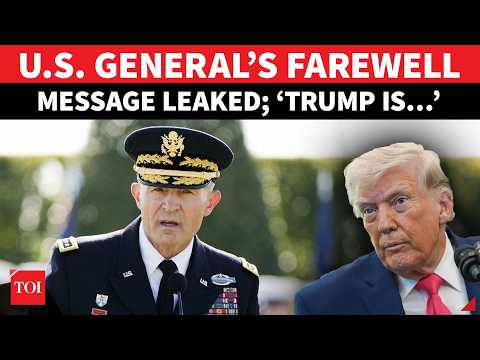
Ousted US Army Chief’s Farewell Mail LEAKED; 'Need Leaders Of CHARACTERS' | Shocker Amid War
Summary
Randy George's abrupt removal as U.S. Army Chief of Staff has sparked significant speculation regarding the internal dynamics of military leadership. His farewell message emphasized the need for leaders of character, interpreted by some as a warning to political and military leadership amid rising tensions. Lawmakers have praised George's tenure while demanding clarity on the reasons behind his departure, raising questions about decision-making at the highest levels of the military.
Concerns have emerged regarding the potential politicization of the U.S. military following the removal of senior officers without clear explanations. Critics warn that these changes could signal a shift towards a more politically influenced military structure. As the U.S. intensifies its military campaign against Iran, the implications of these leadership changes are being closely scrutinized.
George's exit is part of a broader wave of leadership changes within the military, coinciding with a period of heightened military action and political turbulence. Analysts speculate that his removal may be linked to opposition against a potential ground invasion of Iran, although no public confirmation has been made. The situation has led to increased scrutiny of the Pentagon's internal dynamics and the motivations behind these leadership shifts.
Perspectives
short
Supporters of Randy George
- Praise Georges leadership and tenure
- Demand clarity on the reasons for his removal
- Highlight the need for principled leadership in the military
Critics of Military Leadership Changes
- Warn about the potential politicization of the military
- Question the lack of transparency in officer removals
- Raise concerns about the implications for U.S. military strategy
Neutral / Shared
- Acknowledge the growing tensions within military leadership
- Recognize the ongoing military campaign against Iran
Metrics
other
38-year career years
Randy George's service duration
Highlights his extensive experience in military leadership.
Reflecting on his 38-year career
other
more than a year left in his term years
Remaining time in George's term
Indicates the abruptness of his removal.
despite having more than a year left in his term
other
thousands of troops from the 82nd Airborne Division now arriving in the region troops
Troop deployment to the Middle East
Signifies an escalation in military operations.
thousands of troops from the 82nd Airborne Division now arriving in the region
other
the removal of senior officers
indicates a significant shift in military leadership
This could signal deeper issues within military command structures.
the removal of senior officers without clear explanations could signal the politicization of the U.S. military
other
cut the number of top-ranking generals and admirals
reflects a restructuring of military leadership
This restructuring may impact military effectiveness during ongoing conflicts.
orders to cut the number of top-ranking generals and admirals across the armed forces
Key entities
Timeline highlights
00:00–05:00
Randy George's removal as U.S. Army Chief of Staff reflects significant unrest within military leadership, prompting calls for clarity from lawmakers.
- Randy Georges removal as U.S. Army Chief of Staff indicates potential unrest within military leadership, prompting lawmakers to demand explanations for his sudden exit
- His departure follows significant military reshuffles, highlighting deepening divisions among top officials
- The timing of Georges ousting aligns with rising tensions in the Middle East, particularly regarding Iran, with speculation that his stance against a ground invasion influenced the decision
- Iranian officials have ridiculed the U.S. militarys leadership changes, viewing them as a sign of weakness
- Georges removal is part of a broader trend of leadership changes since Donald Trumps return to power, raising concerns about the stability of U.S. military direction
- As the U.S. escalates military operations against Iran, the impact of these leadership changes could be significant
05:00–10:00
The removal of senior military officers has raised concerns about the potential politicization of the U.S. military, prompting lawmakers to seek clarity on recent restructuring.
- The removal of senior military officers raises concerns about the potential politicization of the U.S. military, prompting lawmakers to seek clarity on recent restructuring
- The reduction of top-ranking generals and admirals may signal troubling shifts in military leadership dynamics amid ongoing conflicts
- As military actions abroad escalate, fears grow that the U.S. is entering a phase of significant political and military turbulence
- Ongoing leadership changes coincide with rising tensions in the Middle East, raising alarms about the effectiveness and stability of U.S. military strategy
- The narrative surrounding these military shifts suggests a deeper internal crisis within the Pentagon, potentially undermining coherent strategies against international threats
- The evolving situation underscores the need for transparency and accountability in military leadership decisions to maintain trust in operations and national security