Politics / Greece
Diplomatic Challenges in Islamabad
Diplomatic negotiations in Islamabad involve representatives from the U.S. and Iran, facing significant challenges. The discussions center around a global test related to energy sources and political stability in the Middle East. Both sides express concerns about the potential for military escalation, particularly influenced by Israel's actions.
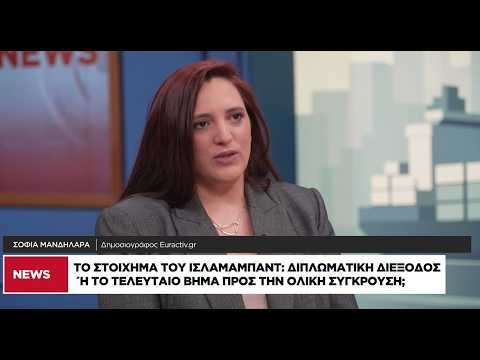
Source material: Το στοίχημα του Ισλαμαμπαντ: Διπλωματική διέξοδος ή το τελευταίο βήμα προς την ολική σύγκρουση;
Summary
Diplomatic negotiations in Islamabad involve representatives from the U.S. and Iran, facing significant challenges. The discussions center around a global test related to energy sources and political stability in the Middle East. Both sides express concerns about the potential for military escalation, particularly influenced by Israel's actions.
The ongoing crisis in Europe exacerbates the situation, with fuel shortages expected to last for three weeks. This has raised alarms about energy security and prompted discussions on defense strategies among European nations. The political landscape remains tense, with leaders grappling with public sentiment and the implications of their decisions.
Perspectives
short
U.S. and Iranian Representatives
- Highlight diplomatic negotiations as crucial for regional stability
- Emphasize the need for a successful energy strategy to avoid military conflict
- Argue that public sentiment in Iran influences political decisions
Israeli Influence and European Concerns
- Accuse Israel of complicating diplomatic efforts with military posturing
- Claim that European nations face significant energy security challenges
Neutral / Shared
- Acknowledge the complexity of geopolitical dynamics affecting negotiations
- Recognize the importance of public opinion in shaping political actions
Key entities
Timeline highlights
00:00–05:00
Diplomatic talks in Islamabad involve U.S. and Iranian representatives, with both sides facing significant challenges in negotiations.
- Diplomatic talks in Islamabad involve U.S. and Iranian representatives, with uncertain outcomes reflecting the complex geopolitical situation
- The U.S. has outlined specific negotiation conditions, while Irans strengthened energy market provides it with leverage, making each sides willingness to hold firm critical for success
- Israels recent military actions pose a significant risk to the ceasefire, raising concerns about its potential impact on the negotiations and the likelihood of further conflict
- While the U.S. is central to the negotiations, Israels actions could alter the dynamics, potentially leading to renewed regional tensions if agreements are not upheld
- Chinas role has been crucial in facilitating Irans acceptance of the ceasefire, but its cautious stance adds to doubts about its long-term strategy and economic implications
- The contrasting demands of the U.S. and Iran, especially regarding control over strategic waterways, complicate the negotiation process
05:00–10:00
The ongoing crisis in Europe is marked by fuel shortages expected to last for three weeks, raising concerns about energy security. This situation has intensified discussions around defense strategies and military commitments among European nations.
- The ongoing crisis in Europe is exacerbated by fuel shortages expected to last for three weeks. This situation highlights the severe implications for energy security across the continent
- The discussion around defense has gained urgency, particularly in light of NATOs leadership and future military strategies. Europe is now more actively considering defense clauses that could trigger intervention if the United States fails to act
- Recent tensions have raised questions about the reliability of international partners, especially regarding military commitments. This uncertainty could lead to a reevaluation of defense strategies within Europe
- The potential for a new energy crisis is compounded by geopolitical issues, including the situation in Iran. The interconnectedness of these crises underscores the need for a cohesive European response
- The dialogue surrounding energy and defense is becoming increasingly critical as Europe faces multiple challenges. Addressing these issues is essential for maintaining stability and security in the region
- The implications of these discussions extend beyond immediate concerns, affecting long-term strategic planning. Europes ability to navigate these challenges will significantly influence its geopolitical standing