Politics / Greece
Political Accountability in Greece
The political landscape in Greece is increasingly scrutinized as the government faces challenges related to the OPEKEPE scandal. Recent polling indicates a decline in public support, raising concerns about the government's ability to maintain stability. The upcoming parliamentary session is expected to address these allegations, which could significantly impact public perception.
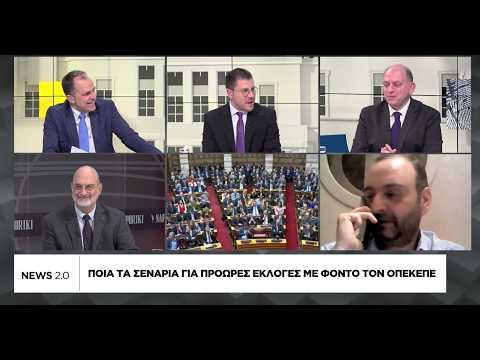
Source material: Μετά το Πάσχα νέος γύρος σύγκρουσης στη Βουλή μεταφέρεται το σκάνδαλο του ΟΠΕΚΕΠΕ
Summary
The political landscape in Greece is increasingly scrutinized as the government faces challenges related to the OPEKEPE scandal. Recent polling indicates a decline in public support, raising concerns about the government's ability to maintain stability. The upcoming parliamentary session is expected to address these allegations, which could significantly impact public perception.
Ongoing legal issues involving lawmakers have further complicated the government's credibility. Public trust is waning, and the perception of illegality among politicians could undermine the government's authority. The fragmented opposition may struggle to capitalize on this turmoil, creating a complex dynamic in political accountability.
Concerns about the reliability of the Greek judicial system have emerged, particularly in light of the Tempi tragedy investigation. Calls for transparency from political leaders highlight governance issues, as public confidence in the judicial system is perceived to be stronger in other European countries.
The intertwining of political favors and potential misconduct raises significant concerns about the integrity of political processes. Investigations into these matters have not yet identified illegal actions, indicating a troubling lack of accountability within the government.
Perspectives
short
Government Supporters
- Claims the government is addressing the OPEKEPE scandal proactively
- Argues that the fragmented opposition lacks the ability to capitalize on government challenges
- Highlights the governments efforts to maintain stability amid scrutiny
Opposition Critics
- Accuses the government of failing to ensure accountability and transparency
- Questions the integrity of political processes amid ongoing investigations
- Warns that public trust is eroding due to perceived illegality among lawmakers
Neutral / Shared
- Notes that public sentiment is shifting in response to economic challenges
- Acknowledges the importance of transparency in restoring public confidence
- Recognizes the potential impact of upcoming elections on the political landscape
Metrics
other
4,100 people units
another number related to elections
This reflects the potential voter base involved in the electoral process.
for the first time, 4,100 people and 5 people
Key entities
Timeline highlights
00:00–05:00
The political landscape is becoming increasingly challenging for the government, with rising scrutiny and pressure following recent polling indicating a decline in support. The upcoming parliamentary session is expected to address new allegations related to the OPEKEPE scandal, which could significantly impact public perception and political stability.
- The political landscape is expected to become more challenging for the government after Easter. This period may bring increased scrutiny and pressure on the ruling party
- Recent polling indicates a slight decline in support for the ruling party, suggesting that opposition parties have not gained significant ground. This could impact the governments strategy moving forward
- The upcoming parliamentary session is likely to address new allegations related to the OPEKEPE scandal. The handling of this issue could influence public perception and political stability
- There is a sense of urgency as the government faces multiple crises, which may affect its ability to govern effectively. The political environment is becoming increasingly tense as these issues unfold
- The opposition remains fragmented, which may hinder its ability to capitalize on the governments challenges. However, the potential for shifts in public opinion remains as new developments arise
- The Prime Minister is under pressure to manage these crises effectively to maintain support. Failure to do so could lead to significant political repercussions in the near future
05:00–10:00
The government is facing significant challenges regarding public trust due to ongoing legal issues involving lawmakers. The situation may complicate the government's ability to function effectively if public perceptions of illegality persist.
- The government faces significant challenges after Easter, particularly regarding public perception of legal issues involving lawmakers. This situation could lead to a loss of trust in the political system if not managed properly
- There is a concern that the public may view the actions of certain politicians as illegal or scandalous, which could undermine their legitimacy. If these perceptions take hold, it may complicate the governments ability to function effectively
- The involvement of specific lawmakers in ongoing investigations adds to doubts about their ability to serve. The legal implications of these investigations could hinder their political influence and decision-making
- A notable case involves a European official previously accused of corruption, highlighting the potential for political repercussions. This example serves as a cautionary tale about the importance of due process and the presumption of innocence
- The Prime Ministers handling of legal matters related to lawmakers is under scrutiny, particularly regarding the lifting of parliamentary immunity. This decision could set a precedent for how similar cases are treated in the future
- The political landscape is shifting, with potential ramifications for the ruling partys stability. If the opposition capitalizes on these issues, it could lead to a significant change in the balance of power
10:00–15:00
The investigation into the Tempi tragedy has raised concerns about the reliability of the Greek judicial system, prompting calls for transparency from political leaders. Public confidence in the European judicial system is perceived to be stronger than in Greece, highlighting significant governance issues.
- The investigation into the Tempi tragedy has sparked doubts about the effectiveness of the Greek judicial system, leading many citizens to question its reliability
- Political leaders are called to be transparent about the judicial process to help rebuild public trust in the legal system
- The Prime Ministers recent actions indicate a commitment to holding accountable those involved in the investigation, aiming to ensure impartial justice
- Public confidence in the European judicial system appears stronger than in the Greek judiciary, raising concerns about local governance effectiveness
- The European judicial system has achieved significant convictions, highlighting the shortcomings of the Greek legal framework
- There are worries about the influence of politics on the judicial process in Greece, which could obstruct fair investigations and accountability for officials
15:00–20:00
The discussion highlights concerns about accountability and transparency within the government, particularly regarding political favors and potential misconduct. There is a strong call for legal scrutiny and thorough investigations to restore public confidence in governance.
- The discussion centers on the scandal involving a government official, highlighting a significant sense of confusion and concern within the administration. This situation adds to doubts about accountability and transparency in political practices
- Concerns are expressed regarding the legitimacy of political favors, with a specific reference to a government officials comments about granting requests from parliament members. This indicates a troubling normalization of such practices, which could undermine public trust in governance
- The speaker emphasizes the need for clarity and legal scrutiny regarding the actions of politicians, particularly in relation to potential misconduct. This call for accountability is crucial for maintaining the integrity of political institutions
- There is a suggestion that the current political climate allows for the acceptance of questionable practices, which could lead to a deterioration of ethical standards. Recognizing and addressing these issues is essential for restoring public confidence
- The conversation points to the necessity of thorough investigations by both national and European judicial authorities. Effective legal action is vital to ensure that any wrongdoing is addressed and that justice is served
- The speaker warns against complacency regarding the normalization of political favors, stressing that such practices should not be tolerated. This serves as a reminder of the importance of upholding ethical governance and the rule of law
20:00–25:00
The intertwining of political favors and illegal actions raises concerns about the integrity of political processes. Ongoing investigations have not identified illegal actions, highlighting a troubling lack of accountability in political dealings.
- The intertwining of political favors and illegal actions raises serious concerns about the integrity of political processes and the risk of corruption
- Despite ongoing investigations, no illegal actions have been identified, indicating a troubling lack of accountability in political dealings
- The legal framework halts investigations involving politicians, redirecting them to parliament, which creates barriers to justice and shields politicians from scrutiny
- Political favors are problematic regardless of their legality, highlighting the urgent need for reforms to reduce reliance on political connections for essential services
- The current political environment fails to ensure that citizens can access assistance without political intervention, undermining public trust in governance
- There is a broader issue of continuity and culture within public service, where inconsistent approaches compromise the effectiveness of governance and public administration
25:00–30:00
The government is facing criticism for a lack of transparency in public service appointments, raising concerns about potential corruption. Political analysts warn that the handling of economic issues may significantly impact voter sentiment in upcoming elections.
- The government faces criticism for its lack of transparency in public service appointments, raising concerns about potential corruption within the political system
- Despite efforts to digitize public services, skepticism persists regarding the effectiveness of these initiatives in reducing bureaucratic inefficiencies
- Accountability in government contracts is crucial, as favoritism could erode public trust and contribute to political instability
- Political analysts warn that the governments handling of economic issues, such as inflation and fuel prices, may significantly impact voter sentiment in upcoming elections
- There is a noticeable disconnect between political leaders and citizens everyday concerns, which may lead to increased scrutiny of political decisions
- As the political landscape shifts, the governments ability to address public sentiment will be vital for its stability