Politics / France
France politics page with daily media monitoring across AFP, Le Monde and Le Figaro, structured summaries of domestic political developments and a country-level press overview.
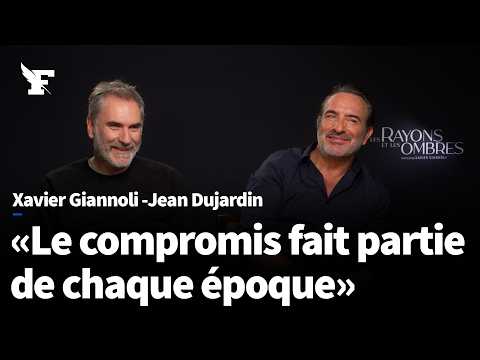
«Les rayons et les ombres» : Dujardin dans la peau d'un collabo
Summary
The film 'Les rayons et les ombres' delves into the life of Jean Luchaire, a journalist who transitioned from pacifism to collaboration during the Nazi era. Director Xavier Giannoli emphasizes the importance of understanding this shift within the context of contemporary issues such as fascism and anti-Semitism. The narrative intertwines historical memory with the moral complexities faced by individuals during times of crisis.
Giannoli's exploration of Luchaire's character raises questions about the responsibilities of journalists and the impact of their choices on society. The film portrays the duality of human nature, highlighting the struggle between personal ethics and societal pressures. Through Luchaire's story, the film invites viewers to reflect on the nature of complicity and the consequences of moral compromise.
The narrative also addresses the role of familial expectations in shaping individual choices, particularly through the lens of Luchaire's relationship with his father. This dynamic serves as a moral counterpoint, illustrating the weight of legacy and the challenges of navigating personal convictions in a tumultuous historical context. The film's portrayal of collaboration prompts critical reflection on the mechanisms of historical memory.
Giannoli's work challenges audiences to confront uncomfortable truths about collaboration and complicity. By examining the character of Luchaire, the film underscores the necessity of grappling with the complexities of moral choice in extreme circumstances. The narrative suggests that understanding such figures requires a nuanced approach to historical narratives.
Perspectives
Analysis of collaboration in historical context.
Support for Understanding Historical Collaboration
- Highlights the importance of examining the moral complexities of collaboration
- Emphasizes the need to understand historical narratives in the context of contemporary issues
- Explores the duality of human nature and the struggle between personal ethics and societal pressures
- Raises questions about the responsibilities of journalists during times of crisis
- Addresses the impact of familial expectations on individual choices
Critique of Simplified Historical Narratives
- Questions the mechanisms of moral compromise in historical narratives
- Critiques the portrayal of collaboration as overly simplistic
- Challenges the audience to confront uncomfortable truths about complicity
- Highlights the potential for overlooking the complexities of moral choice
Neutral / Shared
- Explores the historical context of collaboration during the Nazi occupation
- Examines the character of Jean Luchaire and his transformation
- Discusses the role of empathy in understanding historical figures
Metrics
other
the most brutal death I've ever had
describing a scene in the film
This highlights the film's intense emotional impact and the gravity of its subject matter.
that's probably the most brutal death I've ever had.
Key entities
Timeline highlights
00:00–05:00
The film 'Les rayons et les ombres' examines Jean Luchaire's shift from pacifism to collaboration during the Nazi era, highlighting France's dual historical narrative. Director Xavier Giannoli emphasizes the importance of understanding collaboration in the context of rising contemporary fascism and anti-Semitism.
- The film Les rayons et les ombres explores Jean Luchaires troubling transition from pacifism to collaboration during the Nazi era, reflecting on Frances historical capacity for both light and darkness
- Xavier Giannoli emphasizes understanding the complexities of collaboration amid the resurgence of fascism and anti-Semitism in contemporary politics
- After seven years of research, Giannoli created a three-hour film that aims to provide a memorable and revolutionary story about Luchaires life
- Collaboration with historians and biographers ensures an authentic representation of Luchaires life, grounding the film in historical accuracy
- Giannoli acknowledges the fear of portraying a compromised character and the pressure to meet the roles expectations
- The film confronts the moral dilemmas faced during the Nazi occupation, shedding light on the complexities of human behavior in extreme circumstances
05:00–10:00
Giannoli's film explores the moral complexities of collaboration during the Nazi occupation, particularly through the character of Jean Luchaire. The narrative emphasizes the responsibilities of journalists and the impact of historical memory on contemporary issues of fascism and anti-Semitism.
- Giannolis film examines collaboration during the Nazi occupation, highlighting journalists moral responsibilities in political turmoil
- Dujardin emphasizes openness on set to deepen character connection and enhance performance
- The portrayal of Jean Luchaire challenges perceptions of morality and complicity in collaboration
- The actors gaze conveys character secrets, fostering a deeper audience connection
- The production balances aesthetic, moral, and historical elements to provoke thoughtful reflection
- An intense execution scene underscores the gravity of Luchaires choices and compromises
10:00–15:00
The film explores the moral complexities of collaboration during the Nazi occupation through the character of Jean Luchaire. It highlights the struggle between personal responsibility and societal pressures in the context of historical memory.
- The protagonist grapples with the moral implications of collaboration, highlighting the struggle between empathy and betrayal
- His relationship with the German ambassador symbolizes the complexities of collaboration and moral dilemmas
- The choice to become a traitor emphasizes personal responsibility and complicity in wartime actions
- Jean Luchaires father serves as a moral counterpoint, revealing the consequences of his sons choices
- The film illustrates Luchaires transformation amid familial expectations and societal pressures
- The title reflects historical context and encapsulates themes of collaboration and moral ambiguity