Politics / France
France politics page with daily media monitoring across AFP, Le Monde and Le Figaro, structured summaries of domestic political developments and a country-level press overview.
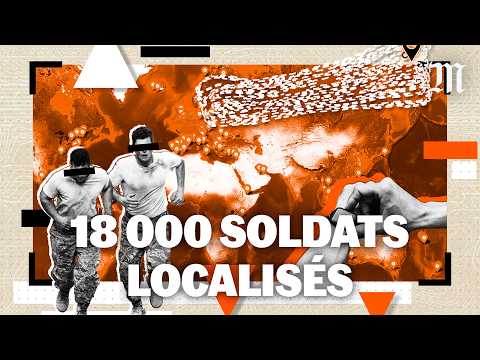
« StravaLeaks » : comment « Le Monde » a pu localiser et suivre 18 000 militaires français | ENQUÊTE
Summary
Sensitive data regarding the French military has been exposed through the Strava application, affecting over 18,000 military personnel and veterans. This breach allows for the tracking of movements and activities, raising significant security concerns for both the military and their families.
The investigation revealed that public profiles on Strava can disclose personal information, including addresses and operational details. This information can be exploited to identify military bases involved in sensitive operations, particularly those related to NATO exercises.
Specific military locations, such as bases in Egypt and Iraq, have been pinpointed, revealing operational details that could compromise security. The ease of access to this information highlights a critical failure in the military's security protocols.
Despite the awareness of these vulnerabilities, little has changed in terms of security measures following the revelations. The French military acknowledges the issue but struggles to enforce compliance among its personnel.
Perspectives
short
Proponents of Strava usage
- Highlight the accessibility of performance tracking for military personnel
- Argue that public profiles can foster community and motivation among users
- Claim that the application provides valuable data for fitness and operational readiness
Critics of Strava usage
- Warn about the significant security risks posed by public profiles
- Accuse the military of failing to adequately train personnel on privacy risks
Neutral / Shared
- Acknowledge that Strava is a popular application among athletes
- Recognize that public data can be beneficial for fitness tracking
Metrics
profiles
18,000 units
number of military and ex-military profiles tracked on Strava
This number indicates the scale of the potential security breach.
more than 18,000 profiles of military and ex-military
localizations
one million units
average daily localizations of military activities
This volume of data could significantly compromise operational security.
more than one million localizations per day
unaddressed_profiles
1,300 units
number of profiles that were not addressed after the breach
This indicates a persistent vulnerability within the military's security protocols.
more than 1,300 that were not taken into account
Key entities
Timeline highlights
00:00–05:00
Sensitive data about the French military has been exposed through the Strava app, affecting over 18,000 personnel. This breach raises significant security concerns regarding the safety of military members and their families.
- Sensitive data about the French military has emerged from the Strava app, exposing the activities of over 18,000 personnel and raising serious security concerns
- Tracking military profiles on Strava reveals personal details like home addresses and operational schedules, which could endanger the safety of military members and their families
- The investigation has identified military personnel participating in NATO exercises near Ukraine, potentially jeopardizing ongoing missions and the safety of those involved
- Confidential information regarding French military locations in Egypt and Iraq has been uncovered, with serious implications for operational security and personnel safety
- Only a small number of identified profiles have switched to private settings, indicating a lack of awareness or action among military personnel regarding security risks
- The French military recognizes the dangers posed by public profiles and is reportedly enhancing security measures, but ensuring compliance across its large personnel base remains challenging