Politics / Croatia
Croatian Government's Social Services and Economic Policies
The Croatian government is addressing calls for a minimum wage increase to 2,200 euros, emphasizing the need for productivity growth to make this feasible. Current economic challenges, including inflation, complicate efforts to ensure sustainable wage growth in both public and private sectors.
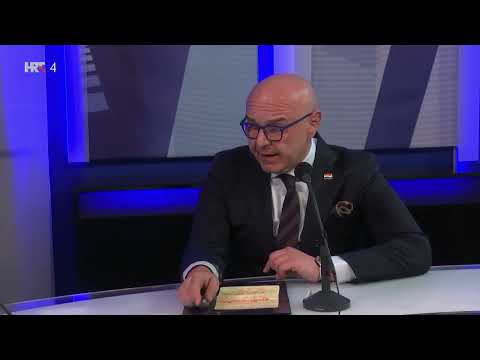
Source material: And now the Government: Alen Ružić
Summary
The Croatian government is addressing calls for a minimum wage increase to 2,200 euros, emphasizing the need for productivity growth to make this feasible. Current economic challenges, including inflation, complicate efforts to ensure sustainable wage growth in both public and private sectors.
Potential reforms to pension taxation could significantly alter the pension amounts received by retirees. A proposal to unify tax brackets for pensions aims to simplify the taxation system, but it requires thorough analysis of its impact on local government finances and social benefits.
The Croatian pension system is facing challenges, with many retirees receiving inadequate pensions due to insufficient calculations, particularly impacting those with lower earnings and unstable work histories. Proposed reforms aim to calculate pensions based on the best ten years of earnings, which may favor higher earners.
The government is working to enhance social care services for the elderly by increasing funding and support from national and European sources. A notable shortage of social workers exists, indicating a need for improved recruitment and retention strategies.
Perspectives
short
Support for Minimum Wage Increase
- Emphasizes the need for productivity growth to support wage increases
- Highlights the importance of enhancing the economy to boost competitiveness
Concerns Over Economic Viability
- Warns that inflation complicates sustainable wage growth
- Notes potential job losses if wages are increased without productivity gains
Neutral / Shared
- Acknowledges the need for thorough analysis of pension taxation reforms
- Recognizes the challenges faced by retirees in accessing adequate pensions
Metrics
other
about 74,000 users
of users in the care system
This figure highlights the scale of the demand for elderly care services
we have about 74,000 users
other
up to 460 million euros in the European fund EUR
funding available for elderly care
This funding is crucial for implementing proposed care initiatives
up to 460 million euros in the European fund
other
about 18 new houses that are being opened houses
new care facilities for the elderly
The opening of new facilities is essential to meet the growing needs of the elderly population
we have about 18 new houses that are being opened
other
about 1,000 8 new places for the city places
new care places available
Increasing capacity is vital for accommodating more elderly individuals in need of care
about 1,000 8 new places for the city
other
4,000 and 600 places for the Van Institute places
additional care places
This expansion is necessary to address the backlog in care services
4,000 and 600 places for the Van Institute
other
400,000 units
inclusive data available
This figure indicates the scale of beneficiaries affected by the inclusive allowance system
the inclusive data will be available in the area of 400,000.
Key entities
Timeline highlights
00:00–05:00
The Croatian government is addressing calls for a minimum wage increase to 2,200 euros, emphasizing the need for productivity growth to make this feasible. Current economic challenges, including inflation, complicate efforts to ensure sustainable wage growth in both public and private sectors.
- The Croatian government is responding to calls for a minimum wage increase to 2,200 euros, but officials caution that this goal is unrealistic without corresponding growth in productivity and economic development
- Efforts are focused on enhancing the economy to boost competitiveness and create jobs, rather than solely increasing wages, which could risk job losses
- Over the past decade, public sector salaries have risen by 16%, accompanied by additional benefits aimed at improving citizens quality of life
- Inflation and rising living costs pose significant challenges, undermining the effectiveness of wage and pension increases for retirees
- The government aims to ensure sustainable wage growth in both public and private sectors while navigating economic difficulties
05:00–10:00
The Croatian government is considering reforms to pension taxation, which may significantly impact retirees' income. The proposed unification of tax brackets aims to simplify the system but requires careful analysis of its effects on local government finances.
- Potential reforms to pension taxation, which could significantly alter the pension amounts received by retirees
- A proposal to unify tax brackets for pensions aims to simplify the taxation system, but it requires thorough analysis of its impact on local government finances and social benefits
- Currently, the personal tax allowance is 600 euros, and any adjustments to this figure could influence retirees net income, highlighting the need for a review of local government funding
- The importance of maintaining a larger contributor base to the pension system is emphasized, especially given the rising number of retirees, to ensure long-term sustainability
- Comparisons to Slovenias pension reforms suggest that Croatia might consider extending the calculation period for pensions to enhance fairness and sustainability
10:00–15:00
The Croatian government is addressing challenges in the pension system, particularly for retirees with inadequate pensions. Proposed reforms aim to improve pension calculations and enhance social services for the elderly.
- The Croatian pension system is facing challenges, with many retirees receiving inadequate pensions due to insufficient calculations, particularly impacting those with lower earnings and unstable work histories
- A proposed reform aims to calculate pensions based on the best ten years of earnings, which may favor higher earners and managerial positions, potentially disadvantaging ordinary workers
- There is a significant backlog in care services for the elderly, with many retirees struggling to access necessary support, underscoring the need for enhanced social services and housing solutions
- The government is planning to invest in new care facilities and social support programs, including the opening of additional homes for the elderly and improving community-based care, especially in regions like Slavonia
- Efforts are being made to secure European funding to support these initiatives, highlighting the importance of aligning local policies with broader European strategies for elderly care and social welfare
15:00–20:00
The Croatian government is enhancing social care services for the elderly by increasing funding and support. There is a notable shortage of social workers, with around 9,000 currently employed.
- The government is working to enhance social care services for the elderly by increasing funding and support from national and European sources
- A notable shortage of social workers exists, with around 9,000 currently employed, indicating a need for improved recruitment and retention strategies
- Improvements in the efficiency of social care systems are underway, including the integration of technology to streamline processes and lessen administrative burdens
- Plans are in place to address long waiting lists for elderly care facilities by opening new homes and significantly increasing available placements
- There is a strong emphasis on community-based care, promoting the idea that elderly individuals should receive support services at home rather than being moved to institutional care
20:00–25:00
The Croatian government is implementing new educational programs and incentives to address workforce shortages in critical sectors. Additionally, the ministry is prioritizing digitalization of services to enhance efficiency and service delivery for citizens.
- The government is tackling workforce shortages in critical sectors by introducing new educational programs and incentives aimed at attracting professionals to underserved areas
- Improving communication and transparency within the ministry is a priority, with a focus on incorporating user feedback to enhance service delivery
- Digitalization of services is set to be fully implemented by June, aiming to streamline processes and reduce bureaucratic delays for citizens seeking assistance
- The ministry is addressing challenges related to the inclusive allowance system, which has been affected by legal interpretations and administrative bottlenecks, impacting thousands of beneficiaries
- Initiatives are underway to promote digital literacy among older citizens, ensuring they have access to digital tools and resources
25:00–30:00
The Croatian government is focusing on addressing staffing shortages and improving living conditions in underserved areas. Digitalization efforts are underway to enhance service delivery and accessibility for vulnerable populations.
- Minister Alen Ružić emphasizes the need to address staffing shortages through new studies and immediate measures to improve living conditions in underserved areas
- The ministry is prioritizing digitalization, with significant improvements expected by June to streamline services and reduce bureaucratic delays for citizens
- Ružić highlights the importance of inclusive support systems for vulnerable populations, reaffirming the governments commitment to enhancing accessibility and efficiency in social services
- The minister acknowledges the challenges older citizens face in adapting to digital systems and advocates for initiatives to assist them in embracing new technologies