New Technology / New Space
Track New Space companies, commercial launches, orbital infrastructure and strategic space technology through curated summaries.
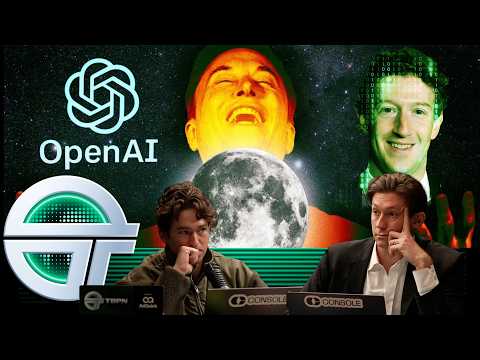
SpaceX’s Lunar Mass Driver, OpenAI Hires Meta’s Top Ad Exec, Zuck Builds CEO Agent | Diet TBPN
Topic
Unclear topic
Key insights
- Elon Musk recently presented his ambitious vision for the future, showcasing projects like an ultra-dome and various space initiatives. His plans include everything from sports cars to space data centers, indicating a broad scope of innovation
- Despite the grand vision, the presentation lacked a compelling narrative, leaving some audience members unconvinced. Musks frequent use of the term epic did not sufficiently justify the feasibility of his proposals
- Musk emphasized the need for significant advancements in computing power, claiming a requirement for a thousand times more capacity. This highlights the challenges facing his projects, particularly in the context of chip shortages
- The concept of building an electromagnetic mass driver on the moon was introduced, but the practical applications remained vague. This adds to doubts about the immediate relevance and timeline of such ambitious projects
- Critics noted that Musks delivery felt rushed and lacked engagement, which may affect public perception of his initiatives. The disconnect between his vision and audience reception could hinder support for future endeavors
- Overall, while Musks ideas aim to push the boundaries of technology, the lack of concrete details and strong justification may lead to skepticism. The ambitious nature of his projects requires a clearer roadmap to gain broader acceptance
Perspectives
LLM output invalid; stored Stage4 blocks + metrics only.
Metrics
chip constraint
chip constrained by a thousand X
current limitations in chip availability
This indicates a critical barrier to the implementation of Musk's ambitious plans.
we have to do this. Yeah, we have to build a five capacity.
valuation
220 billion USD
Intel's market cap
Intel's valuation reflects its significance in the semiconductor industry.
Intel's market cap would there 220 billion dollar company now.
funding
40 something billion USD
Elon Musk's funding for Twitter
This funding illustrates Musk's financial influence in the tech sector.
Elon was marshalling around 60 billion for to buy out Twitter, something like that, 40 something billion.
weight
300 metric tons units
estimated weight for the mass driver
Understanding the mass driver's weight is essential for engineering and logistical planning.
I think the thing was like 300 metric tons.
deliveries
at least 300 metric tons annually metric tons
annual payload capacity of the mass driver
This capacity is crucial for establishing a sustainable lunar presence.
it has to launch at least 300 metric tons over a 12 month period
success_rate
95% mission success
required reliability for the mass driver
A high success rate is essential for operational credibility.
let's aim for 95% mission success
launches
at least 200 launches per year launches
annual launch frequency needed
Frequent launches are necessary to validate the mass driver's operational status.
at least 200 launches per year
timeline
15 to 20 years
estimated development period for the mass driver
This timeline reflects the challenges in developing lunar infrastructure.
I put the over under at like 15 to 20 years
Key entities
Timeline highlights
00:00–05:00
Elon Musk presented a broad vision for future projects, including space data centers and an electromagnetic mass driver on the moon. However, the presentation lacked a compelling narrative and concrete details, leading to skepticism about the feasibility of his ambitious plans.
- Elon Musk recently presented his ambitious vision for the future, showcasing projects like an ultra-dome and various space initiatives. His plans include everything from sports cars to space data centers, indicating a broad scope of innovation
- Despite the grand vision, the presentation lacked a compelling narrative, leaving some audience members unconvinced. Musks frequent use of the term epic did not sufficiently justify the feasibility of his proposals
- Musk emphasized the need for significant advancements in computing power, claiming a requirement for a thousand times more capacity. This highlights the challenges facing his projects, particularly in the context of chip shortages
- The concept of building an electromagnetic mass driver on the moon was introduced, but the practical applications remained vague. This adds to doubts about the immediate relevance and timeline of such ambitious projects
- Critics noted that Musks delivery felt rushed and lacked engagement, which may affect public perception of his initiatives. The disconnect between his vision and audience reception could hinder support for future endeavors
- Overall, while Musks ideas aim to push the boundaries of technology, the lack of concrete details and strong justification may lead to skepticism. The ambitious nature of his projects requires a clearer roadmap to gain broader acceptance
05:00–10:00
The Terrafab initiative aims to address the semiconductor manufacturing gap in the U.S. while Elon Musk's lunar mass driver vision represents a long-term ambition that could drive future technological innovation.
- The Terrafab initiative seeks to close the semiconductor manufacturing gap in the U.S, which is vital for maintaining technological dominance against competitors like China
- Elon Musks lunar mass driver vision is a long-term ambition that may take decades to realize, but such goals are crucial for driving innovation and future technological direction
- Despite skepticism surrounding Musks aggressive timelines, his history of delivering on ambitious projects suggests that the mass driver could eventually become a reality if pursued with commitment
- The mass driver would use an electromagnetic launch system powered by solar energy, potentially lowering costs and improving the feasibility of lunar missions
- Uncertainty remains regarding the timelines for developing a functional mass driver, emphasizing the need for clear definitions and success metrics in future discussions
- The mass driver debate illustrates the tension between visionary concepts and practical challenges in the tech industry, which is important for stakeholders to consider as they invest in innovation
10:00–15:00
The lunar mass driver concept aims to utilize an electromagnetic launch system to enhance lunar operations by efficiently accelerating payloads. For it to be operational, it must meet specific criteria, including launching at least 300 metric tons annually and achieving a high success rate.
- The lunar mass driver concept utilizes an electromagnetic launch system to efficiently accelerate payloads, making lunar operations more feasible than Earth launches. This innovation could significantly enhance resource utilization on the moon
- For the mass driver to function effectively, it must be capable of launching substantial payloads, starting with essential materials like water and metals, which are crucial for future lunar colonization efforts
- Operational criteria for the mass driver include a permanent installation, the ability to launch at least 300 metric tons annually, a high success rate, and practical applications for the materials launched. Meeting these conditions would mark a transition from experimental to operational status
- The estimated timeline for developing a functional mass driver is 15 to 20 years, a period some may consider overly ambitious. This timeframe highlights the need for advancements in lunar launch capabilities and infrastructure
- Reliable lunar transport will necessitate significant investments in technology, such as autonomous construction rovers and solar power systems, which are vital for establishing a sustainable lunar presence
- The mass driver has the potential to transform access to space resources, but it faces considerable technical and logistical hurdles. Overcoming these challenges could facilitate future space exploration and resource exploitation
15:00–20:00
The Dyson sphere concept suggests manufacturing solar panels on the moon to reduce costs and enhance lunar resource value. The mass driver could facilitate tourism by launching pods back to Earth, although timelines for advancements in space projects remain uncertain.
- The Dyson sphere concept emphasizes the need for large-scale solar panel production, suggesting that manufacturing these panels on the moon could reduce costs and enhance the value of lunar resources
- Mass drivers could enable tourism by launching pods back to Earth, offering unique experiences such as gender reveal parties, showcasing innovative uses of space technology
- Debates continue over the timeline for major advancements in space projects, with estimates varying from 30 to over 50 years, reflecting the significant challenges in space exploration
- Concerns exist regarding the credibility of certain space ventures, particularly companies like Suspended Capital, with critics suggesting their claims may be overly optimistic
- David Simon, known for revolutionizing the retail landscape, has passed away, leaving a legacy centered on high-end mall experiences amid retail challenges
- Eli Simons appointment as CEO after his fathers death may indicate a shift in leadership style, potentially influencing the future strategies of Simon Property Group in the retail market
20:00–25:00
OpenAI's financing model has raised concerns due to its reliance on guaranteed returns while incurring significant losses. The company is projected to face substantial losses this year, with profitability not expected until 2029.
- The financing model used by OpenAI resembles a Ponzi scheme, as it relies on guaranteed returns while incurring significant losses. This raises concerns about the sustainability of their business practices and the potential risks for investors
- OpenAIs strategy involves leveraging private equity firms to gain instant access to a wide distribution network without traditional sales cycles. This approach could streamline their operations but also highlights the reliance on external funding to drive growth
- The projected losses for OpenAI this year are substantial, with expectations of a billion-dollar profit not materializing until 2029. This timeline suggests a challenging road ahead for the company as it seeks to stabilize its financial situation
- The hiring of a former Meta executive to lead OpenAIs advertising efforts indicates a strategic shift towards generating new revenue streams. This move is crucial for meeting the companys significant funding requirements amid growing competition in the AI sector
- Concerns have been raised about the effectiveness of early advertising campaigns on OpenAIs platforms, as they lack measurable performance data. This could hinder the companys ability to attract and retain advertisers if results do not meet expectations
- The dual approach of OpenAI and Blackstone in securing funding and distribution channels reflects a broader trend in enterprise AI. This collaboration may signal a shift in how companies approach AI solutions, emphasizing the need for strategic partnerships to succeed
25:00–30:00
Mark Zuckerberg is developing an AI agent to enhance his work efficiency and streamline operations within his company. This initiative aims to improve decision-making and productivity by providing quick access to information typically requiring navigation through management layers.
- Mark Zuckerberg is creating an AI agent to improve his work efficiency, aligning with his companys trend of adopting AI tools. This initiative aims to enhance decision-making and streamline operations
- The AI agent will enable Zuckerberg to quickly access information that usually requires navigating management layers, potentially increasing productivity and reducing response times
- Zuckerbergs project signifies a strategic move to leverage AI for maintaining competitiveness against nimble startups, aiming to optimize workflows and adapt to market changes
- Introducing AI agents in the workplace is expected to change employee roles, fostering a more dynamic environment and allowing teams to focus on higher-level tasks
- If successful, Zuckerbergs AI initiative could provide valuable insights for other organizations considering similar technologies, enhancing operational efficiency across various sectors
- The segment highlights the necessity of measuring advertising performance in AI-driven campaigns, as lacking clear data could limit agencies roles to mere intermediaries