New Technology / Big Tech
Monitor Big Tech strategy, platform competition, corporate decisions and structural shifts across the global technology sector.
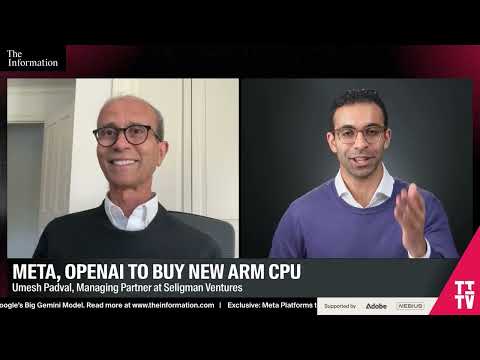
Arm Challenges Nvidia with CPU Chip
Topic
Arm's CPU Market Entry
Key insights
- Arms entry into the CPU market signifies a major change from its previous role as a design blueprint provider, positioning it against established companies like Intel and AMD
- Arms new CPU could offer hyperscalers alternative processing options, reducing their dependence on major suppliers like Nvidia and enhancing market competition
- Although performance data for Arms chip is not yet released, the growing demand for diverse options indicates a strong likelihood of success among hyperscalers seeking to improve data center performance
- By competing with its own customers, Arm risks straining existing partnerships, necessitating confidence in the advantages of its architecture to maintain customer loyalty
- Negotiations may become more complicated as Arms competition with its licensees could lead customers to reevaluate their partnerships with the company
- Arms move into the CPU sector may accelerate a shift towards open-source alternatives like RISC-V, potentially disrupting the traditional chip market and fostering innovation
Perspectives
Analysis of Arm's entry into the CPU market and its implications.
Support for Arm's Strategy
- Highlights Arms shift from blueprint provider to CPU manufacturer
- Argues that Arms move diversifies options for hyperscalers
- Claims that competition with customers is a bold but necessary strategy
- Proposes that Arms architecture must demonstrate clear advantages
- Questions the impact of performance data on market success
Concerns Over Arm's Strategy
- Questions the sustainability of Arms existing business model
- Predicts a shift towards second sourcing strategies among customers
- Highlights the potential for co-optition in the market
Neutral / Shared
- Notes the emergence of RISC-V as a competitive alternative
- Acknowledges the complexity of customer relationships in technology
Metrics
other
the way that I understand this new chip that ARM has
description of Arm's new chip strategy
Understanding the shift in Arm's strategy is crucial for evaluating its market impact.
the way that I understand this new chip that ARM has
other
they're competing with their competitors
Arm's competitive positioning
This highlights the potential conflicts in Arm's business model.
they're competing with their competitors
other
we don't know the performance numbers yet
uncertainty regarding Arm's chip performance
Performance data is critical for market acceptance.
we don't know the performance numbers yet
Key entities
Timeline highlights
00:00–05:00
Arm's entry into the CPU market marks a significant shift from its previous role as a design blueprint provider, now positioning itself against established companies like Intel and AMD. The move could provide hyperscalers with alternative processing options, potentially disrupting the traditional chip market and fostering innovation.
- Arms entry into the CPU market signifies a major change from its previous role as a design blueprint provider, positioning it against established companies like Intel and AMD
- Arms new CPU could offer hyperscalers alternative processing options, reducing their dependence on major suppliers like Nvidia and enhancing market competition
- Although performance data for Arms chip is not yet released, the growing demand for diverse options indicates a strong likelihood of success among hyperscalers seeking to improve data center performance
- By competing with its own customers, Arm risks straining existing partnerships, necessitating confidence in the advantages of its architecture to maintain customer loyalty
- Negotiations may become more complicated as Arms competition with its licensees could lead customers to reevaluate their partnerships with the company
- Arms move into the CPU sector may accelerate a shift towards open-source alternatives like RISC-V, potentially disrupting the traditional chip market and fostering innovation
05:00–10:00
ARM's entry into the CPU market represents a significant shift as it now competes with its own customers, potentially disrupting established relationships. The emergence of alternatives like RISC-V may encourage customers to reassess their licensing agreements and pursue second sourcing strategies.
- ARMs entry into the CPU market marks a pivotal change, as it now competes with its own customers, potentially disrupting established relationships in the chip industry
- The launch of ARMs CPU chip may encourage customers to consider alternatives like open-source RISC-V architectures, promoting a more competitive market landscape
- Concerns are rising that ARMs new approach could undermine its traditional business model of selling chip designs, prompting customers to reassess their licensing agreements
- RISC-Vs emergence as a credible alternative could threaten ARMs market share, particularly among companies cautious of ARMs competitive position
- Current market dynamics indicate that customers are likely to pursue second sourcing strategies to reduce risks associated with ARMs competition, leading to a more fragmented industry
- The idea of co-optition is gaining traction as companies balance collaboration and competition in the chip sector, suggesting that the most effective architectures will ultimately succeed