New Technology / Ai Development
Aloe Blacc's Transition to Biotech
Track AI development, model progress, product releases, infrastructure shifts and strategic technology signals across the artificial intelligence sector.
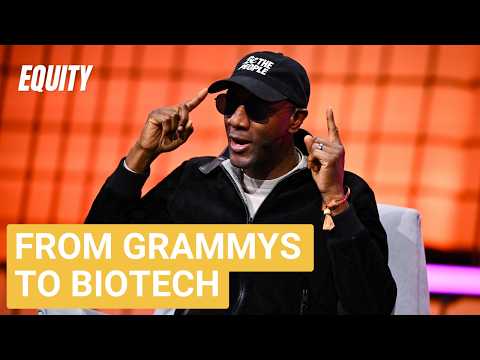
Source material: Aloe Blacc’s fame means nothing in biotech (and that’s the point) | Equity Podcast
Key insights
- Aloe Blacc shifted from music to biotech to make a meaningful health impact, reflecting a trend of creators entering new industries
- His COVID experience drove him to seek innovative disease prevention solutions, illustrating how personal challenges can fuel professional innovation
- Blacc highlights that effective leadership is crucial for startup success, emphasizing the importance of management in biotech investments
- Initially motivated by philanthropy, he soon recognized the complexities of biotech, prompting him to engage more directly in operations
- His partnership with Dr. Golnica Udugamisoria at the University of Houston exemplifies the potential for groundbreaking research in drug development
- Blaccs dual background in music and biotech allows him to examine how AI is transforming both sectors, raising questions about creativity and technologys future
Perspectives
Discussion on Aloe Blacc's transition from music to biotech and the implications of AI in both fields.
Aloe Blacc's Perspective
- Highlights the importance of making a market difference in disease therapies
- Emphasizes the need for substantial funding beyond philanthropy
- Describes the challenges of navigating regulatory hurdles in biotech
- Discusses the necessity of peer-reviewed research for attracting investors
- Explains the innovative drug discovery process developed by his team
- Mentions the pivot from COVID-related research to targeting pancreatic cancer
Challenges in Biotech and AI
- Questions the effectiveness of philanthropy in biotech without administrative support
- Notes the competitive landscape among scientists for funding
- Critiques the lack of regulatory frameworks for AI in creative industries
- Points out the potential for record labels to dominate AI-generated music profits
- Raises concerns about the quality of AI-generated content compared to human artistry
Neutral / Shared
- Acknowledges the dual role of AI in enhancing and potentially replacing creative processes
- Recognizes the ongoing evolution of technology in both biotech and music industries
Metrics
other
tremendous efficacy in binding to biomarkers
effectiveness of new molecules in drug development
This indicates a significant advancement in targeting diseases.
his molecules bind to any of the structures and because of that we've increased the ability to have effect on disease
unmet_need
90 %
the mortality rate of pancreatic cancer
This statistic highlights the critical need for advancements in cancer treatment.
a pancreatic cancer is you know kills 90
patents
10 patents units
number of patents obtained through the drug development process
Patents indicate successful innovation and potential market value.
he's got 10 patents and each patent has come from this process
time_reduction
knocks five years off the process years
time saved in drug development
Reducing development time can lead to faster market entry and potential revenue.
he knocks five years off the process
cost_reduction
millions of dollars off the process USD
cost savings in drug development
Lower costs can enhance the feasibility of bringing drugs to market.
millions of dollars off the process
other
AI created art is not copyrightable yet
Copyright status of AI-generated art
This impacts how artists can protect their work in an AI-driven landscape.
the copyright office has made the termination that AI created art is not copyrightable yet
other
eight million dollars USD
fraudulently streamed AI-generated songs
high potential for exploitation in the AI music landscape
he made like eight million dollars off of this
other
lion's share of the streaming
streaming platforms
indicates the dominance of major platforms in the music industry
the lion's share of the streaming is going to Apple music and Spotify
Key entities
Timeline highlights
00:00–05:00
Aloe Blacc transitioned from music to biotech, driven by a desire to impact health positively. His partnership with Dr.
- Aloe Blacc shifted from music to biotech to make a meaningful health impact, reflecting a trend of creators entering new industries
- His COVID experience drove him to seek innovative disease prevention solutions, illustrating how personal challenges can fuel professional innovation
- Blacc highlights that effective leadership is crucial for startup success, emphasizing the importance of management in biotech investments
- Initially motivated by philanthropy, he soon recognized the complexities of biotech, prompting him to engage more directly in operations
- His partnership with Dr. Golnica Udugamisoria at the University of Houston exemplifies the potential for groundbreaking research in drug development
- Blaccs dual background in music and biotech allows him to examine how AI is transforming both sectors, raising questions about creativity and technologys future
05:00–10:00
Aloe Blacc's transition into biotech emphasizes the necessity of substantial funding and strategic planning beyond mere philanthropy. His efforts focus on securing intellectual property and navigating the complexities of cancer research funding.
- Aloe Blaccs entry into biotech revealed that philanthropy alone cannot advance scientific research, necessitating significant funding and a strategic approach. This understanding has shaped his operational involvement in the field
- The formation of Major Ink was essential for securing intellectual property rights from the University of Houston, allowing for research on promising drug candidates that the university could not pursue alone
- Blaccs interest in oncology intensified after observing the rapid progress in mRNA technology during the COVID-19 pandemic, suggesting that expedited regulatory pathways could enhance cancer research
- Securing funding in biotech is challenging due to intense competition and market volatility, which can deter investors from supporting projects. This environment complicates the financial sustainability of new initiatives
- Currently, Blacc is self-funding his biotech efforts through non-dilutive sources while awaiting peer-reviewed research to bolster their credibility. This approach aims to attract larger investments once a solid scientific foundation is established
- Despite his fame, Blacc recognizes that his celebrity status does not significantly influence scientific credibility. He believes that published research will enhance his efforts legitimacy and improve access to funding
10:00–15:00
Aloe Blacc is developing a cancer drug platform targeting pancreatic cancer, pivoting from COVID-related research. His funding strategy includes personal investments and non-dilutive sources to maintain control while awaiting larger investments.
- Aloe Blacc is developing a cancer drug platform targeting pancreatic cancer, shifting focus from COVID-related research to address a significant medical need
- His funding strategy relies on personal investments and non-dilutive sources, allowing him to retain control while waiting for peer-reviewed research to attract larger investments
- AI could transform drug discovery by streamlining the identification of effective molecular structures, potentially reducing both development time and costs
- The research process combines in silico simulations with in vitro testing to validate drug efficacy, enhancing success rates and speeding up the timeline for new drug market entry
- A collaborator has created a system capable of generating hundreds of thousands of molecules, which may significantly shorten the drug development timeline and reduce costs
- Despite technological advancements, transitioning from animal testing to human trials remains a critical phase that cannot be expedited, emphasizing the risks involved in biotech
15:00–20:00
The creative industries currently lack a regulatory framework for AI-generated content, leading to uncertainties about copyright and ownership. Indie artists face both opportunities and challenges as AI technology evolves, potentially making them more replaceable in a competitive market.
- The creative industries lack a regulatory framework, making it difficult to navigate copyright issues related to AI-generated content. This absence of clear guidelines adds to doubts about ownership and fair use in the context of AI training
- Indie artists face both opportunities and challenges with AI technology. While AI can enhance their creative process, it also poses a risk of making them more replaceable in a saturated market
- The rise of AI in music creation could shift audience perceptions, as people may accept AI-generated art without needing to know its origin. This trend suggests that the distinction between human and AI-created content may blur significantly
- Aloe Blacc emphasizes the importance of maintaining a personal connection to music creation despite AIs capabilities. He believes that genuine artistic expression remains valuable and that his established audience provides a buffer against competition from AI
- Blacc is open to licensing his voice for AI projects, provided there are safeguards regarding content and compensation. He argues that artists should be compensated for their work used in training AI models, highlighting ongoing disputes between major labels and AI music companies
- The controversy surrounding AI in music production centers on the use of copyrighted material for training models. This raises ethical questions about compensation and the rights of artists whose work contributes to AI-generated content
20:00–25:00
The discussion highlights the economic implications of AI-generated music, particularly the potential dominance of record labels in controlling AI uploads and profits. It also addresses the balance artists must strike between leveraging AI for efficiency and maintaining their artistic integrity amidst a flood of content.
- The rise of AI-generated music adds to doubts about who benefits economically, with record labels likely to gain the most. They may control AI uploads and leverage their influence over streaming platforms to secure profits
- A recent case highlighted an individual who fraudulently streamed AI-generated songs, raising concerns about the integrity of music production. This incident underscores the potential for exploitation in the AI music landscape
- As AI tools become more prevalent, artists may find their voices and styles commodified, leading to a shift in how music is created and consumed. This could diminish the unique contributions of individual artists in favor of mass-produced content
- The integration of AI in music creation allows artists to produce more content in less time, but it risks overwhelming audiences with quantity over quality. Artists must navigate this balance to maintain their artistic integrity while leveraging technology
- Using AI tools can enhance the creative process, enabling artists to transform their ideas into fully produced tracks quickly. However, this efficiency may come at the cost of the collaborative spirit that traditional music-making fosters
- The future of music may see a convergence of AI and traditional artistry, where artists utilize technology as a tool rather than a replacement. This evolution could redefine the role of artists in the music industry, emphasizing adaptability and innovation
25:00–30:00
Aloe Blacc discusses the role of AI in enhancing creativity while emphasizing the importance of human engagement in artistic endeavors. He warns that the acceleration of processes through AI may diminish the enjoyment and fulfillment derived from the creative journey.
- Aloe Blacc emphasizes that while AI can enhance creativity, it should not replace the human purpose behind artistic endeavors. The journey of creation holds intrinsic value that AI cannot replicate, making it essential for artists to engage deeply with their work
- He notes that AI tools currently produce lower fidelity audio, which necessitates collaboration with live musicians for high-quality results. This reliance on human input ensures that artists maintain their roles and creativity in the production process
- Blacc argues that the integration of AI in music and biotech is transforming both industries, but the essence of human creativity remains vital. As AI accelerates processes, it risks diminishing the enjoyment and fulfillment derived from the creative journey
- He highlights the potential for AI to streamline workflows, giving businesses a competitive edge, but warns that this speed can come at the cost of the creative experience. The balance between efficiency and enjoyment is crucial for sustainable innovation
- The conversation touches on the economic implications of AI in music, suggesting that record labels may ultimately benefit the most from AI-generated content. This adds to doubts about the future of artist compensation and the control of creative outputs in an AI-driven landscape
- Blaccs perspective underscores the importance of maintaining artistic integrity and purpose in the face of technological advancements. As AI continues to evolve, artists must navigate these changes thoughtfully to preserve their unique contributions to culture