Intel / Society Tension
Real-time monitoring of security incidents, escalation signals and threat indicators across global hotspots, focusing on rapid alerts and emerging risk developments. Topic: Society-Tension. Updated briefs and structured summaries from curated sources.
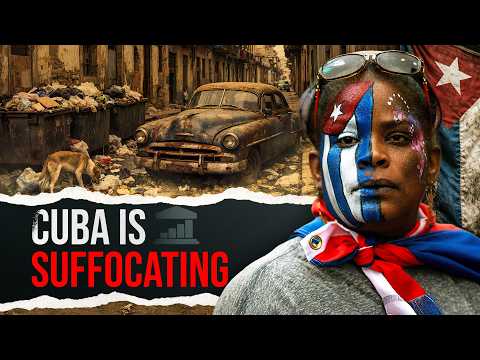
Worse Than It Seems: Cuba on the Brink of a Humanitarian Disaster | VisualPolitik EN
Summary
Cuba is experiencing a severe humanitarian crisis, exacerbated by decades of economic mismanagement and the impact of the U.S. embargo. The situation has led to critical shortages of essential resources, including food, medicine, and clean water, resulting in widespread suffering among the population. Reports indicate that the healthcare system, once touted as a global benchmark, is now failing, with chronic shortages and deteriorating conditions.
The United Nations has expressed grave concerns about the potential for a humanitarian collapse in Cuba, particularly as oil supplies dwindle. The crisis has prompted a mass exodus of Cubans, with estimates suggesting that between 1 to 2 million people have left the island in recent years. This migration poses significant challenges for the U.S., which may face a large influx of refugees seeking safety and stability.
Cuba's deteriorating infrastructure and public health crisis are compounded by extreme poverty, with a significant portion of the population living in dire conditions. Many families are unable to afford basic necessities, leading to malnutrition and increased vulnerability to diseases. The accumulation of garbage and lack of sanitation services further exacerbate health risks, creating a dire public health situation.
The rising crime rates in Cuba, driven by desperation and resource scarcity, indicate a potential security crisis. As the government prioritizes political repression over public safety, the risk of violence and crime is increasing. Analysts warn that Cuba is on the brink of becoming a failed state, with any external shock potentially triggering a total collapse.
Perspectives
Cuba's humanitarian crisis is critical and requires urgent attention.
Proponents of Urgent Action
- Highlight the severe humanitarian crisis in Cuba requiring immediate intervention
- Emphasize the role of the U.N. in warning about potential humanitarian collapse
- Argue that the deteriorating healthcare system contradicts claims of its excellence
- Point out the mass exodus of Cubans as evidence of the crisiss severity
- Stress the need for U.S. political leaders to respond to the humanitarian situation
Critics of External Intervention
- Question the effectiveness of increased pressure on the Cuban regime
- Argue that the complexities of Cubas situation require nuanced understanding
- Highlight the potential for backlash against U.S. policies in Cuba
Neutral / Shared
- Acknowledge the historical context of Cubas economic challenges
- Recognize the impact of the U.S. embargo on Cubas current situation
- Note the importance of reliable data in assessing Cubas humanitarian crisis
Metrics
population_loss
between 1 million and 2 million people
population loss from Cuba between 2021 and 2025
This significant emigration could destabilize the region and impact US policy.
between 2021 and 2025, more than 1 million people have left the island, and some sources suggest that the actual number is closer to 2 million.
mortality_rate
between 9,000 and 30,000 deaths
deaths associated with the Chikungunya Epidemic
A spike in mortality could indicate a broader humanitarian crisis.
the Chikungunya Epidemic alone has been associated with between 9,000 and 30,000 deaths.
supply_shortage
64.56%
percentage of drugs in short supply in the National Health System
This highlights the critical state of healthcare in Cuba, affecting the population's access to essential medications.
64.56% of the total and the situation is now certainly much worse
drug_supply
395 drugs
total number of drugs that the company was supposed to supply
The high number of drugs indicates the scale of healthcare needs that are unmet due to shortages.
of the 395 drugs that the company was supposed to supply
drug_shortage
255 drugs
number of drugs in short supply
This significant shortage reflects the systemic failures in Cuba's healthcare infrastructure.
255 were in short supply
meal_skipping
7 out of 10 %
percentage of Cubans skipping at least one meal a day
Skipping meals reflects severe food insecurity and nutritional deficiencies.
7 out of 10 Cubans skip at least 1 meal a day.
health_risks
316,000 dead people
deaths in the 2010 Haiti earthquake
The scale of the disaster in Haiti serves as a warning for potential outcomes in Cuba.
316,000 dead.
Key entities
Timeline highlights
00:00–05:00
Cuba is facing a severe humanitarian crisis exacerbated by economic restrictions and the US embargo, leading to critical shortages of essential resources. The United Nations has expressed concern over the potential for a humanitarian collapse as the situation deteriorates further.
- Cuba is experiencing a severe humanitarian crisis, worsened by economic restrictions and the US embargo, resulting in chronic shortages of food, medicine, and clean water
- The United Nations has raised alarms about a potential humanitarian collapse in Cuba, especially as oil supplies decrease, underscoring the need for urgent international intervention
- Despite assertions of a high-quality healthcare system, Cubas medical facilities are struggling, with patients facing shortages of essential supplies and care, challenging the governments narrative
- The island is grappling with multiple health emergencies, including a dengue fever outbreak, which, combined with malnutrition and power outages, could significantly increase mortality rates
- A further deterioration of conditions may lead to a mass exodus of Cubans seeking refuge, particularly towards Florida, impacting US policy and regional stability
- The crisis in Cuba extends beyond local implications, posing a potential threat to regional geopolitical dynamics, necessitating immediate attention from the international community
05:00–10:00
Cuba is experiencing a severe humanitarian crisis, exacerbated by economic restrictions and a failing healthcare system. The potential for mass migration to the U.S.
- Cubas proximity to the U.S. raises concerns that a humanitarian crisis could trigger a mass migration to Florida, creating significant challenges for American authorities
- The Trump administration is confronted with three tough choices regarding Cuba: intervene, accept a large influx of refugees, or completely close the borders, each with serious political and humanitarian consequences
- The situation in Cuba is critical for both its citizens and the international community, as a potential humanitarian disaster could destabilize the region and affect U.S. interests
- Assessing Cubas crisis is complicated by limited and biased data, making it difficult to gauge the true severity of the situation and necessitating a careful evaluation
- Cuban citizens are facing extreme hardships, including a failing healthcare system and a triple epidemic that has led to numerous fatalities, reflecting decades of systemic issues
- The healthcare crisis in Cuba is severe, with over 64% of essential medications in short supply, forcing many to turn to the black market for their medical needs
10:00–15:00
Cuba is facing a severe humanitarian crisis characterized by a deteriorating healthcare system and extreme poverty affecting the majority of households. The situation is exacerbated by fuel shortages, garbage accumulation, and frequent power outages, leading to increased health risks and potential for a humanitarian disaster.
- Cubas healthcare system is deteriorating, leading to higher mortality rates from treatable diseases. The lack of medical resources makes even minor illnesses life-threatening
- Garbage accumulation in urban areas, worsened by fuel shortages, creates serious health hazards. This situation promotes disease spread and encourages unsafe waste disposal methods
- Extreme poverty affects most Cuban households, resulting in skipped meals and nutritional deficiencies. This malnutrition exacerbates existing health problems
- Frequent power outages disrupt food storage, forcing many to eat spoiled or improperly cooked meals. This increases health risks and intensifies the ongoing health crisis
- Cubas situation may be more dire than reported, particularly due to stricter oil embargoes. An unforeseen event could lead to a humanitarian disaster akin to Haitis experience
- The 2010 earthquake in Haiti highlights the risks for Cuba, showing how a single disaster can worsen an already critical humanitarian situation. The aftermath in Haiti resulted in severe suffering and a breakdown of essential services
15:00–20:00
Cuba is facing a humanitarian crisis characterized by extreme poverty, failing health infrastructure, and rising crime rates. The potential for a complete collapse is increasing, which could have significant implications for the United States due to the Cuban American community's political influence.
- Cubas worsening conditions resemble Haitis past crises, indicating that an unexpected event could trigger a humanitarian disaster. The combination of extreme poverty, failing health infrastructure, and widespread malnutrition creates a highly vulnerable environment
- Cubas lack of external security support is intensifying its internal security challenges. The governments prioritization of political repression over crime prevention has led to a sharp rise in crime rates
- Public safety in Cuba has deteriorated significantly, with crime increasing by 378% in two years. This surge includes a notable rise in drug-related crimes, pointing to a shift towards organized criminal activity
- The risk of Cuba becoming a failed state is increasing as essential services continue to deteriorate. An external shock could lead to a complete collapse, affecting not only Cuba but also the United States
- The Cuban American community, estimated at 2.5 to 3 million, is influential in U.S. politics, especially in Florida
- Should Cuba experience a severe humanitarian collapse, there may be heightened calls for U.S. intervention and aid
20:00–25:00
Cuba is facing a critical humanitarian crisis that necessitates urgent assistance to prevent a disaster. The influence of the Cuban-American community, particularly figures like Marco Rubio, is pivotal in advocating for necessary reforms.
- Cuba urgently requires assistance, as worsening conditions could lead to a humanitarian disaster if not addressed. Intensified pressure on the ruling regime is essential to prompt change
- Marco Rubio, a key figure in the Cuban-American community, is vital in advocating for reforms. His influence may significantly increase pressure on the Cuban government
- The Trump administration must decide how to respond to Cubas humanitarian crisis. Its actions could greatly affect the regimes readiness to implement necessary changes
- The potential for a humanitarian disaster raises concerns about the effectiveness of current U.S. policies towards Cuba
- Public engagement is crucial, as community perspectives can drive political action. Fostering discussions about Cubas situation can help mobilize support for humanitarian efforts
- Cubas precarious situation demands immediate intervention to avert severe consequences. Without action, the island risks facing a full-blown humanitarian catastrophe