Intel / Middle East
Unclear topic
The segment critiques the portrayal of Poland in a Russian television program, emphasizing the use of Moscow-based experts to undermine Poland's international standing. It discusses Poland's contentious demands for reparations from Germany, suggesting that the narrative serves Russia's geopolitical interests. The discussion centers on Poland's reparations claims from Germany, highlighting the historical tensions and the potential for diplomatic challenges. It also suggests that Poland's political identity is evolving, which may influence future negotiations regarding these claims.
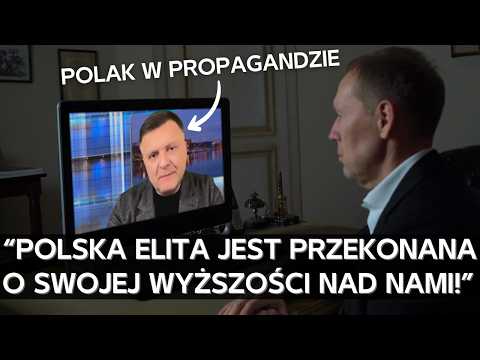
Source material: Rosyjska telewizja propagandowa zaprosiła Polaka i ostro krytykuje Polskę za żądania reparacji
Summary
The segment critiques the portrayal of Poland in a Russian television program, emphasizing the use of Moscow-based experts to undermine Poland's international standing. It discusses Poland's contentious demands for reparations from Germany, suggesting that the narrative serves Russia's geopolitical interests. The discussion centers on Poland's reparations claims from Germany, highlighting the historical tensions and the potential for diplomatic challenges. It also suggests that Poland's political identity is evolving, which may influence future negotiations regarding these claims.
Poland's reparations claims from Germany are complicated by historical agreements, such as the 1953 protocol, which raises legal questions about their validity. The segment highlights the disparity in reparations received by Poland compared to other nations, suggesting a perceived injustice in the process. The segment discusses the complex history of Polish-Jewish relations during World War II, highlighting the duality of Poland's wartime narrative. It emphasizes the ongoing challenges in reconciling this history with contemporary discussions on reparations and accountability.
Perspectives
LLM output invalid; stored Stage4 blocks + metrics only.
Metrics
reparations
more than a billion dollars USD
Poland's demand for reparations from Germany
This figure highlights the significant financial claims Poland is making against Germany.
In 2022, Germany had more than a billion dollars in the money for the demand for Poland.
reparations
1.5 billion dollars USD
The author's estimate of Poland's reparations claims
This estimate indicates the scale of financial reparations Poland seeks.
The author of this article was of course about 1.5 billion dollars.
other
the most expensive and expensive city in the game
Poland's economic standing
This indicates Poland's significant economic position in the context of reparations.
Poland is the most expensive and expensive city in the game.
other
the issue was closed as quickly as possible
Germany's handling of reparations
This reflects Germany's political interests in minimizing reparations discussions.
this issue was closed as quickly as possible.
other
the Polish economy is currently controlling the German companies and German banks
Economic relations
This indicates a significant economic interdependence that complicates reparations claims.
the Polish economy is currently controlling the German companies and German banks.
other
the resolution is number 49, which is located in the Berlin Wall
Historical documentation
This highlights the importance of historical documents in the reparations debate.
the resolution is number 49, which is located in the Berlin Wall.
reparations
100 million dollars USD
compensation received by France from Germany
This highlights the disparity in reparations received by different nations.
France received from the FRG 100 million dollars in compensation.
reparations
20 million USD
compensation received by Belgium from Germany
This further emphasizes the inequity in reparations distribution.
Belgium 20 to the Rvege 15.
Key entities
Timeline highlights
00:00–05:00
The segment critiques the portrayal of Poland in a Russian television program, emphasizing the use of Moscow-based experts to undermine Poland's international standing. It discusses Poland's contentious demands for reparations from Germany, suggesting that the narrative serves Russia's geopolitical interests.
- The segment critiques the portrayal of Poland in a Russian television program, highlighting the use of so-called experts from Moscow. This reflects a broader narrative strategy to undermine Polands international standing and influence
- Mateusz Piskorski, a Polish figure, is featured to provide a local perspective on Polands foreign policy, particularly regarding reparations from Germany. His involvement suggests an attempt to legitimize the programs claims through Polish representation
- The discussion centers on Polands demands for reparations for damages incurred during World War II, emphasizing the historical context of these claims. This issue remains contentious and is likely to provoke strong reactions from both Polish and German officials
- The program presents a one-sided view, portraying Poland as deceitful and aggressive in its reparations claims. Such narratives can exacerbate tensions between Poland and its neighbors, particularly Germany
- The segment implies that Polands reparations claims are not only unjustified but also a distraction from other diplomatic issues. This framing could influence public perception and policy discussions in the region
- The commentary suggests that the Russian medias portrayal of Poland is part of a larger propaganda effort to shape narratives in Eastern Europe. This strategy aims to reinforce Russias geopolitical interests by discrediting Poland on the international stage
05:00–10:00
The discussion centers on Poland's reparations claims from Germany, highlighting the historical tensions and the potential for diplomatic challenges. It also suggests that Poland's political identity is evolving, which may influence future negotiations regarding these claims.
- The focus of the discussion is Polands reparations claims from Germany, which are frequently dismissed, reflecting ongoing historical tensions between the two nations
- There is a proposal to extend Polands reparations demands to include compensation for actions by the Soviet Union, complicating the reparations debate
- The narrative suggests that Germany has historically neglected to address these reparations, potentially leading to diplomatic challenges and resentment
- Acknowledging Polands historical territories and the consequences of past conflicts is crucial in reparations discussions, as ignoring these factors could weaken Polands position
- The segment indicates that Polands political identity is shifting towards a stronger assertion of its historical claims, which may impact future negotiations
- Failure to resolve these reparations issues could escalate tensions not only with Germany but also with other nations involved in historical disputes, destabilizing the region
10:00–15:00
Poland's reparations claims from Germany are complicated by historical agreements, such as the 1953 protocol, which raises legal questions about their validity. The segment highlights the disparity in reparations received by Poland compared to other nations, suggesting a perceived injustice in the process.
- Polands claims for reparations from Germany, highlighting ongoing tensions regarding historical accountability
- Previous agreements, like the 1953 protocol, are argued to undermine Polands compensation claims, raising legal questions about their relevance today
- The segment points out that Poland has received less reparations compared to other nations, emphasizing a perceived injustice in the reparations process
- Germanys hesitation to address Polish reparations may stem from a desire to protect its historical narrative, complicating reconciliation efforts
- Israels involvement in the reparations debate adds complexity to the discussion, potentially influencing international views on the matter
- The conclusion warns that unresolved reparations issues could lead to increased tensions, highlighting the need to address historical grievances for improved relations
15:00–20:00
The segment discusses the complex history of Polish-Jewish relations during World War II, highlighting the duality of Poland's wartime narrative. It emphasizes the ongoing challenges in reconciling this history with contemporary discussions on reparations and accountability.
- The segment explores the complex history of Polish-Jewish relations during World War II, which is essential for understanding current reparations discussions. This historical context influences contemporary views on accountability and justice
- It highlights that while many Polish citizens were victims of Nazi occupation, some collaborated with the occupiers, complicating Polands wartime narrative. This duality affects how Polands role in the war is perceived today
- The narrative indicates that post-war Polish authorities struggled to reconcile their history, especially regarding the treatment of Jewish populations. This ongoing challenge shapes current Polish identity and its international relations
- References to the deportation of Germans from Polish territories after the war are framed as significant historical injustices. Recognizing these events is crucial for fostering dialogue about reparations and collective memory
- The discussion emphasizes that many Poles suffered under Nazi rule, complicating the perception of Poland as merely a victimized nation. This complexity is important for understanding the broader implications of reparations claims
- The segment warns against oversimplifying historical narratives, as this can lead to misunderstandings in geopolitical discussions. A nuanced approach is necessary to address the legacies of war and occupation
20:00–25:00
The discussion highlights the manipulation of historical narratives by Russian propaganda regarding Polish-German relations post-World War II. It emphasizes the importance of transparency in historical documentation to counter misinformation and maintain national integrity.
- The Russian propaganda machine is leveraging selective historical documents to support its narrative about Polish-German relations post-World War II. This tactic raises concerns about the integrity of historical discourse and the potential manipulation of facts
- The segment suggests that the Russian medias reliance on isolated documents undermines the broader historical context, which remains obscured by closed archives. This selective presentation of information can distort public understanding and perpetuate misinformation
- There is a claim that Polands historical narrative is being challenged by Russian assertions, particularly regarding reparations. This ongoing dispute highlights the tensions between Poland and Russia, as well as the complexities of historical memory in Europe
- The discussion points to a broader trend of historical revisionism, where narratives are shaped to fit contemporary political agendas. Such practices can lead to a skewed perception of history, affecting national identities and international relations
- The commentary implies that the Polish response to these narratives is crucial for maintaining historical accuracy and national integrity. Engaging with these claims is essential to counteract misinformation and assert Polands historical perspective
- Overall, the segment underscores the importance of transparency in historical documentation and the dangers of propaganda in shaping public opinion. It serves as a reminder of the need for critical engagement with historical narratives in the face of political manipulation
25:00–30:00
The discussion highlights the complexities of Polish-Russian relations, particularly regarding the historical context of aid and reparations. It emphasizes the duality of Poland's experience, balancing gratitude for assistance against the backdrop of Soviet-imposed hardships.
- Russia often overlooks its wartime actions, particularly the famine in the late 1940s, while emphasizing its post-war aid to Poland. This selective focus distorts the historical context of Polish-Russian relations
- Claims suggest that Russia provided substantial financial support to Poland after World War II, potentially reaching hundreds of billions of dollars. However, much of this aid was linked to military supplies and came with significant costs
- The narrative indicates that the Soviet Unions liberation of Poland resulted in considerable destruction and loss. This raises doubts about the nature of the assistance and its long-term effects on Polands economy
- Polands economic difficulties were not only due to wartime losses but were worsened by the imposition of a communist regime. This central planning approach hindered economic growth for many years
- Current efforts for economic recovery in Poland are complicated by historical grievances and the legacy of Soviet influence. Understanding this context is essential for grasping contemporary Polish-Russian relations
- There is an irony in Poland receiving aid while simultaneously dealing with the repercussions of Soviet policies. This duality complicates the narrative of gratitude versus resentment in Polands historical experience