Intel / Middle East
Iran-US Military Tensions
Iran's navy remains operational, contradicting claims of its military weakness. Despite assertions of a weakened Iranian military, US vessels face threats in the Strait of Hormuz, indicating a more complex situation than reported. The US has initiated a naval blockade, but its effectiveness is uncertain as Iran continues to assert control over the region.
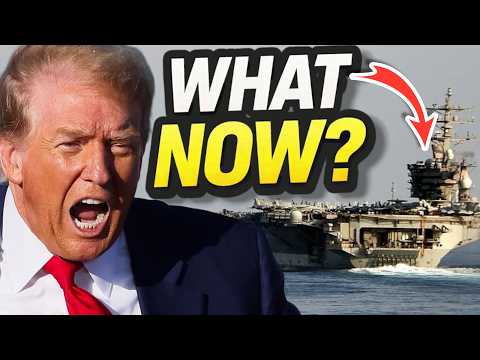
Source material: Things Just Got Worse!
Summary
Iran's navy remains operational, contradicting claims of its military weakness. Despite assertions of a weakened Iranian military, US vessels face threats in the Strait of Hormuz, indicating a more complex situation than reported. The US has initiated a naval blockade, but its effectiveness is uncertain as Iran continues to assert control over the region.
Iran demonstrates a readiness to escalate military tensions, explicitly threatening US warships. Concurrently, US destroyers encounter difficulties in navigating the Strait, with many vessels retreating due to Iranian threats. This escalation raises concerns about the reliability of US intelligence regarding Iran's military capabilities.
Potential scenarios for the conflict include miscalculations leading to unintended escalation or a prolonged period of tension without direct confrontation. The situation is exacerbated by Iran's support from major powers like China and Russia, complicating US efforts to maintain control in the region.
The ongoing military tensions highlight the risks of miscalculations that could spiral into conflict. The presence of Iranian naval support from powerful allies introduces variables that challenge US strategies and assumptions about deterrence.
Perspectives
Analysis of escalating military tensions between Iran and the US.
US Perspective
- Claims Irans military is weak despite active naval threats
- Initiates a naval blockade against Iran, asserting control over the Strait
- Reports of US destroyers facing challenges in the Strait of Hormuz
Iran Perspective
- Demonstrates willingness to escalate military tensions
- Issues explicit threats to US warships in the region
- Maintains operational naval presence, contradicting US claims of military weakness
Neutral / Shared
- Highlights the uncertainty surrounding the effectiveness of the US blockade
- Notes the potential for miscalculations leading to conflict
Metrics
other
10 miles
distance US vessels should maintain from Iranian warships
This distance indicates the level of threat perceived by US vessels.
keep a distance more than 10 miles from them
other
20 hours
duration of negotiations between the US and Iran
The length of talks highlights the complexity of reaching a diplomatic solution.
20 hours of talks
other
gas is probably going to be the same or even higher during the midterms USD
Trump's remarks on gas prices
High gas prices could influence voter sentiment in the upcoming elections.
gas is probably going to be the same or even higher during the midterms
other
ships getting turned around
naval operations
This reflects the immediate impact of threats on naval operations in the region.
when you see ships getting turned around threats being thrown out
other
Iran has the support of China, Russia
geopolitical alliances
This support complicates U.S. military strategies and increases the risk of escalation.
The fact is Iran has the support of China, Russia, big dogs in the game.
Key entities
Timeline highlights
00:00–05:00
Iran's navy remains active, posing risks to US vessels, which contradicts claims of its military weakness. The US has initiated a naval blockade against Iran, but its effectiveness and the control of the Strait of Hormuz remain uncertain.
- Irans navy remains operational and poses risks to US vessels, contradicting claims of military weakness and raising doubts about the reliability of the information available
- The US has implemented a naval blockade against Iran, marking a transition from threats to active measures, though the blockades effectiveness is still in question
- Irans embassy asserts that the blockade will not completely obstruct the Strait of Hormuz, indicating their continued influence in the region and complicating US efforts
- Recent negotiations between the US and Iran have failed, with Iran rejecting a final proposal on uranium enrichment, highlighting the difficulties in achieving a diplomatic solution
- Irans indifference to US threats may reflect a perception of American weakness, potentially emboldening Iran and complicating future diplomatic relations
- The White House has recognized the uncertainty surrounding control of the Strait of Hormuz, which has significant implications for maritime security and regional stability
05:00–10:00
Iran is demonstrating a willingness to escalate military tensions with the US, explicitly threatening US warships in the region. Concurrently, US destroyers are facing challenges in navigating the Strait of Hormuz, with many vessels retreating due to Iranian threats.
- Iran is signaling a readiness to escalate tensions, explicitly stating they will confront US warships in the region, indicating a bold shift in their military stance
- US destroyers are trying to navigate the Strait of Hormuz, but many vessels are retreating due to concerns over Iranian threats, highlighting increased risks for shipping companies
- Old tankers are changing course not from direct orders but from fear of being targeted, marking a serious escalation beyond mere rhetoric
- The sight of US leaders attending a UFC fight amid rising military tensions is concerning, especially as Americans deal with increasing living costs, potentially fueling public discontent
- Companies are pulling back from investments in Venezuela due to instability and uncertainty about US policies, complicating efforts to pressure Iran by limiting alternative oil sources
- Trumps remarks suggest that high gas prices may persist into the midterm elections, which could have major political consequences, especially if Iran attacks a ship, prompting a strong US military response
10:00–15:00
Military tensions in the region are escalating, with Iran's support from major powers complicating U.S. efforts.
- Military miscalculations could lead to unintended escalations, raising concerns about the fragility of the current situation
- Ongoing tensions may not lead to immediate confrontations but could create a prolonged period of instability, increasing economic pressure
- Irans support from major powers like China and Russia complicates U.S. efforts and emboldens its military stance
- Minor incidents in the current environment could provoke severe military responses, further destabilizing the region and affecting global markets
- Instability is already present, suggesting that significant consequences could arise without a formal declaration of war
- Public perception and political optics are crucial during this crisis, as leaders trivial engagements may heighten public frustration