Intel / Information Warfare
Monitor information warfare, narrative conflict, propaganda patterns and influence operations through curated intelligence summaries.
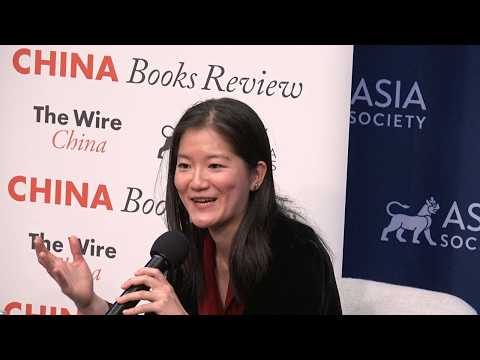
Yi-Ling Liu: China’s Internet Censorship
Summary
Yi-Ling Liu's book 'The Wall Dancers' explores the intricate dynamics of internet censorship in China, emphasizing the concept of 'war dancers'—individuals who navigate the constraints imposed by the state. The metaphor of dancing illustrates the creative resistance against censorship, highlighting the resilience of internet users in China who adapt to the ever-changing landscape of digital expression.
The narrative focuses on five main characters, each representing different facets of the struggle for creative expression within the confines of censorship. These individuals, including activists and artists, embody the complexities of living in a society where innovation coexists with repression, showcasing their unique journeys and the challenges they face.
Liu reflects on her own experiences as a journalist and the impact of censorship on her work. She contrasts the awareness of Chinese internet users regarding their constraints with the perceived freedom of American users, suggesting that both environments are shaped by systemic issues that complicate the notion of freedom.
The discussion also touches on the evolving perceptions of China and the US, particularly among younger generations. Liu highlights the phenomenon of 'China Maxing,' where American fascination with Chinese technology reflects deeper insecurities about their own systems, while also addressing the challenges faced by the Chinese diaspora in navigating their identities.
Perspectives
Analysis of censorship and personal narratives in China and the US.
Pro-Censorship Resistance
- Highlights the resilience of internet users in China navigating censorship
- Emphasizes the creative resistance embodied by war dancers
- Showcases the importance of community-building among marginalized voices
- Calls for a re-examination of freedom in the digital age
Pro-Censorship
- Describes the challenges faced by individuals under censorship
- Discusses the systemic issues affecting perceptions of freedom
- Explores the complexities of navigating identities in the diaspora
Neutral / Shared
- Examines the cyclical nature of censorship in both China and the US
- Discusses the impact of disinformation on public discourse
- Addresses the phenomenon of China Maxing and its implications
Metrics
other
China's largest gay dating app
referring to the app founded by Mabali
It highlights the intersection of technology and LGBTQ+ activism in a repressive environment.
found it blue, which is China's largest gay dating app.
other
2016
year Lu Ping became a political exile
This marks a significant moment in her activism and personal journey.
she moved to the US in a sense became a political exile.
other
much better story qualitative
outcome of pursuing alternative sources for the story
This suggests that thorough research can lead to richer narratives.
I ended up having, I think, a much better story as a result.
other
the state has been fun for quite a long time
state's approach to technology
Indicates a historical pattern of state control over technology.
the state has been fun for quite a long time
other
the repressive era of the cultural revolution was followed by this period of pragmatic loosening
historical context of censorship
Highlights the historical cycles of repression and loosening in China.
the repressive era of the cultural revolution was followed by this period of pragmatic loosening
other
the big tech crackdowns in 2021
recent events affecting technology entrepreneurs
Marks a significant shift in the state's relationship with tech entrepreneurs.
the big tech crackdowns in 2021
other
this true high literally means going out to see when is the most successful case which would be TikTok
success of Chinese tech
Demonstrates the global competitiveness of Chinese technology.
this true high literally means going out to see when is the most successful case which would be TikTok
user_engagement
many more people, not just Chinese users, are going to have to learn how to use the Chinese internet too
growing global engagement with Chinese internet platforms
This indicates a significant shift in global tech dynamics and user interactions.
many more people, not just Chinese users, are going to have to learn how to use the Chinese internet too
Key entities
Timeline highlights
00:00–05:00
Yi-Ling Liu's book 'The Wall Dancers' explores the creative navigation of internet censorship in China. The concept of 'war dancers' illustrates the dynamic relationship between state control and individual expression online.
- Yi-Ling Liu discusses her book The Wall Dancers focusing on internet censorship in China
- The term war dancer describes the experience of navigating censorship creatively and artfully
- Chinese internet users have developed coded languages to communicate under strict surveillance
- The MeToo movement in China is referred to as the rice bunny movement, showcasing resistance to censorship
- The white paper protest exemplifies a method of circumventing censorship by using blank pages
- Liu highlights the parallels between American internet users and their need to adapt to censorship
05:00–10:00
Yi-Ling Liu's book 'The Wall Dancers' examines the complexities of internet censorship in China through the experiences of five main characters. These individuals navigate the challenges of creative expression while operating within the constraints imposed by the state.
- Yi-Ling Liu discusses her book The Wall Dancers, focusing on Chinas internet censorship
- The term wall dancers refers to individuals navigating the complexities of the Chinese internet
- Hu Xijin, a pro-state journalist, had his account suspended in 2024, illustrating the unpredictable nature of censorship
- Mabali, a former police officer, founded Chinas largest gay dating app, Blue, and represents the queer community
- Lu Ping, a feminist activist, left her journalism career to build a native feminist movement in China
- Cafe Hu, an underground rapper, balances provocation with mainstream acceptance in his music
10:00–15:00
Yi-Ling Liu's book 'The Wall Dancers' examines the evolution of internet censorship in China and its effects on civic space. The narrative highlights the experiences of individuals, particularly within the LGBTQ community, navigating these constraints while emphasizing the importance of detailed storytelling.
- Yi-Ling Lius book, The Wall Dancers, explores the evolution of Chinas internet censorship and its impact on civic space
- The author reflects on her personal experiences with a freer Chinese internet, highlighting moments of political awakening
- Liu emphasizes the importance of detailed storytelling in restoring the atmosphere of the past Chinese internet
- The character Mabali, a CEO of the Gateding app, represents the LGBTQ communitys struggles and triumphs in China
- Lius reporting process involved extensive research and interviews with various stakeholders in the LGBTQ community
- Despite initial rejection from Mabali for an interview, Liu pursued the story through alternative sources, enriching her narrative
15:00–20:00
Yi-Ling Liu's book 'The Wall Dancers' examines the cyclical nature of internet censorship in China through personal narratives. The text highlights the emotional impact of shared stories and the shifting relationship between the state and technology entrepreneurs.
- Yi-Ling Liu discusses her book The Wall Dancers which explores personal stories of individuals affected by Chinas internet censorship
- The concept of fun and show describes the cyclical nature of Chinas societal openness and tightening, historically observed since the Cultural Revolution
- Liu highlights a specific moment where a character, Mabali, experiences a cathartic realization of not being alone through an anonymous online story
- The Chinese governments relationship with technology entrepreneurs has shifted from encouragement to repression, particularly noted during the tech crackdowns of 2021
- The term true high reflects a new consensus in China that its tech can compete globally, exemplified by successful platforms like TikTok
- Liu emphasizes the emotional impact of personal narratives shared online, aiming to bring humanity to the stories of those affected by censorship
20:00–25:00
Yi-Ling Liu discusses the evolution of Chinese tech companies, highlighting their global ambitions despite increasing domestic censorship. The narrative emphasizes TikTok as a key example of this shift, illustrating the complexities of ownership and political influence.
- Yi-Ling Liu discusses the concept of true high, which refers to Chinese tech companies going global
- The narrative around Chinese tech has shifted from being seen as copycat innovation to genuine innovation on home turf
- TikTok is highlighted as a prime example of a successful Chinese tech product that has gained global popularity
- The Chinese internet is becoming more controlled and censored, yet Chinese tech companies are expanding beyond their borders
- The ownership of TikTok has changed, raising questions about political influence due to its ties with American investors
- The rise of platforms like Xiao Hongshu and BID illustrates the growing impact of Chinese tech in global markets
25:00–30:00
Yi-Ling Liu discusses the concept of 'China Maxing' and its implications on American perceptions of China, highlighting a shift in cultural aesthetics and memes. The narrative emphasizes that American fascination with Chinese technology often reflects their own frustrations rather than an accurate portrayal of China.
- Yi-Ling Liu discusses the concept of China Maxing and its implications on American perceptions of China
- The narrative of internet freedom is challenged as Liu reflects on her experiences moving from China to the US
- Liu notes a shift in cultural aesthetics and memes from China appearing on American social media
- The phenomenon of China Maxing is linked to a broader vibe shift in American attitudes towards Chinese technology
- Liu highlights the impact of DeepSeeks AI model R1 and the migration of TikTok users to platforms like Red Note
- There is a growing recognition among Americans of Chinas technological advancements, particularly in infrastructure